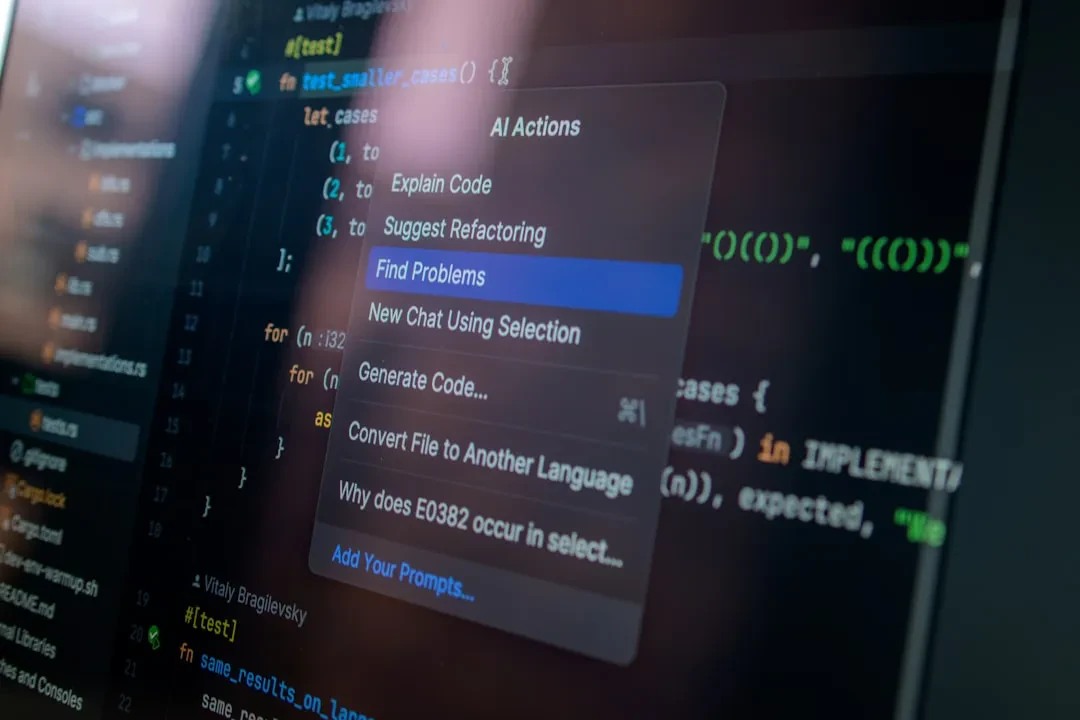
The technological landscape is undergoing an epochal transformation, driven by the unstoppable rise of artificial intelligence. In recent months, we have witnessed rapid evolution affecting every aspect of our digital world, from the devices we use daily to the online services we take for granted. AI is no longer a futuristic promise but a tangible reality redefining human-machine interactions and opening up unprecedented scenarios.
AI in Personal Devices
Leading manufacturers like Apple are integrating increasingly sophisticated AI capabilities into their products. There is significant discussion about new iterations of Apple Intelligence, designed to revolutionize the user experience on iPhone, iPad, and Mac. The introduction of AI-enhanced Siri, the ability to analyze images via the camera, and advanced gesture controls for smart glasses are just a few examples of this new frontier. Concurrently, the Mac mini is seeing price increases but is preparing to offer more powerful configurations, while new MacBook Pro models promise OLED displays and tangible innovations. LG Gram 2026 also fits into this trend, with lightweight laptops further enhanced by AI. Innovations such as those on the second-generation Apple Watch and AirTag reflect this drive for intelligent integration.
Sponsored Protocol
Artificial Intelligence in the Corporate and Industrial Sector
But AI's impact is not limited to consumer devices. The corporate sector is embracing AI solutions to optimize processes and create new opportunities. Meta's acquisition of Assured Robot Intelligence highlights the race towards humanoid AI and the future of data centers. In the automotive sector, Uber is transforming its drivers into a sensor network for autonomous vehicles, a bold step towards the future of mobility. European startups, despite the dominance of tech giants, are emerging as beacons of innovation, suggesting a diversified technological future beyond the limits of traditional generative AI. Even the Pentagon is investing heavily in AI, collaborating with giants like NVIDIA, Microsoft, and AWS for classified network security. Finance is not lagging behind, with acquisitions like Skio for $105 million, focusing on the growth of subscription finance.
Sponsored Protocol
The Challenges and Ethical Implications of AI
This rapid advancement also raises important questions. The film industry, for instance, through the Academy Film Archive, has decided to exclude AI-generated content from the Oscars, a signal of growing concern for originality and human creativity. Similarly, Meta is intensifying efforts to combat non-original content on platforms like Instagram. The DDoS attack that disrupted Ubuntu services also highlighted the criticality of cloud infrastructure and the vulnerability of modern systems. The rise of indie games, on the other hand, represents a new frontier of digital innovation, demonstrating how creativity can thrive even outside the major circuits.
Sponsored Protocol
The Decline of Traditional Search Engines
In this continuously evolving scenario, we are also witnessing the end of an era. Ask.com, once a benchmark for online search, has shut down. Its demise marks the definitive farewell to a conversational interface that for years attempted to emulate a digital butler. This event underscores how conversational artificial intelligence is moving towards more advanced and integrated forms, leaving pioneers behind.
The Future is Intelligent and Connected
The future is clearly dominated by artificial intelligence. From transforming productivity with AI voice dictation apps to new gaming experiences like Microsoft Xbox Mode on Windows 11, AI permeates every aspect of our digital lives. The implications for the consumer electronics market are immense, as evidenced by the record prices achieved by some MacBook Pros on Amazon. The ability to analyze health data, such as Oura Ring's expansion of hormonal monitoring, opens new prospects in personal well-being. We are entering an era where technology not only assists but anticipates and personalizes our needs, creating an increasingly intelligent and interconnected digital ecosystem. The integration between PC and mobile, exemplified by modified controllers that house smartphones, promises a fluid and unified gaming experience. The AI wave shows no signs of slowing down and will continue to redefine what is possible.
Sponsored Protocol