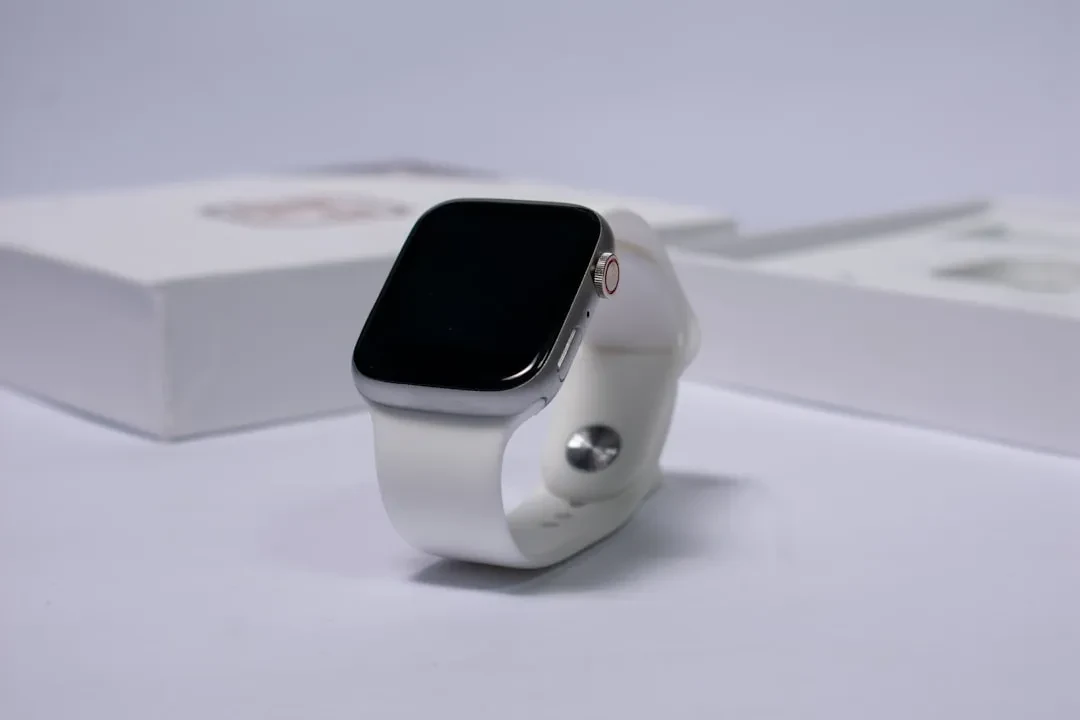
In recent years, technology has taken over our lives. Smartphones, smartwatches, smart TVs, even smart fridges and smart toilets. With the rise of AI, Big Tech is pushing smartglasses again. However, a counter-trend is emerging: an analog rebellion. Visiting a Barnes & Noble, one notices young people browsing print books and vinyl records. The comeback of digital cameras, film cameras, and cassette tapes is evident. Even in the wearables world, many are questioning the usefulness of smartwatches.
When smartwatches first appeared in the mid-2010s, they promised quick info at a glance without needing to pull out your phone. In theory, they would free you to engage with the world. But in practice, over a decade later, not everyone feels that way. The smartwatch market is growing, but a growing niche of users is abandoning them for simpler alternatives.
Sponsored Protocol
The Annoyance of Wrist Notifications
One main reason is the feeling of being constantly connected. As user RadioAdam posted, 'My smartwatch kept me attached to b**t I wanted it to get me away from.' Having a device buzz your wrist for every notification can be more intrusive than a phone in your pocket. On Reddit, user NeoMoose wrote, 'I don't want my wrist to communicate with me. My phone is already too much distraction.' Of course, you can silence notifications, but then you might question why you need a smartwatch in the first place.
Big Tech sold the always-online lifestyle as a utopia, but reality often feels like a dopamine addiction hellscape. Reducing devices is logical, and smartwatches are prime candidates. Additionally, smartwatches suffer from feature creep: too many functions that distract. User Adventurous_Rice_731 switched from a minimal Whoop to a Garmin and regretted it: 'During my workout, I kept checking the screen to see if reps were recording. I was glued to it even during TV time.' Simpler devices help you stay present.
Sponsored Protocol
The Stress of Health Tracking
Health tracking can ironically increase stress. Wrist sensors provide only rough estimates of sleep, stress, and recovery, not direct measurements. Some users see little point in relying on data that's little more than an informed guess, preferring to listen to their bodies. Moreover, the most useful smartwatches are expensive. The Apple Watch Series 11 starts at $399, while the cheaper SE lacks key features like ECG and blood oxygen monitoring.
With high inflation, you may question whether it's worth spending hundreds of dollars. If you only want fitness tracking, alternatives like Google Fitbit Air ($100) or Nothing CMF Watch 3 Pro offer functionality at a fraction of the cost. Additionally, studies show smartwatches can reduce driving safety: wrist notifications are more distracting than phone alerts, as they require looking down.
Sponsored Protocol
Style and Lifestyle
From an aesthetic standpoint, many prefer a sleek analog watch. Screenless fitness trackers are subtle enough to wear alongside a traditional watch. Hybrid smartwatches from Withings and Garmin combine classic style with smart features. The market is responding with products like Fitbit Air (currently sold out) and Whoop, which requires a subscription. Another option is smart rings, like Oura Ring 5 ($399) or Samsung Galaxy Ring, which excel at sleep and recovery tracking without a screen or haptics.
Many users choose to wear a mechanical watch with a Whoop for automatic workout tracking. As user Th3p4l4d1n said, 'I wear a mechanical watch and am more in the moment. The Whoop allows me to do that since it has auto workout tracking.' Plus, classic watches don't need charging and won't become obsolete in a few years.
Sponsored Protocol
The analog shift doesn't mean rejecting technology, but choosing what truly matters. For those seeking simplicity, affordable options like Casio start at $30. The variety in style and price is vast. Traditional watches don't promise the moon, but they won't lower your attention span or raise your blood pressure. Maybe it's time to look at your wrist and ask: do I really need a screen?
For more insights on tech trends, read our article on iPhone 18 Pro and see what Apple's next flagship offers. Also, check the Wikipedia page on smartwatches for background.
Source: https://www.engadget.com/2197565/reasons-why-people-ditch-smartwatches-something-simpler