The automotive industry is undergoing an unprecedented transformation driven by artificial intelligence and the need for increasingly specialized skills. A recent report from TechCrunch Mobility, published today, has highlighted what is being described as a true AI skills arms race. Traditional automakers, new electric mobility players, and tech giants are competing for a limited pool of machine learning engineers, computer vision experts, and data scientists. This competition is not just about recruitment; it is reshaping corporate strategies, partnerships, and even business models.
The demand for specialized skills
At the heart of the challenge lies the complexity of technologies required for autonomous vehicles, advanced driver-assistance systems, and software-defined vehicles. Companies are no longer looking for simple programmers but professionals capable of training neural networks on real driving data, optimizing algorithms in real time, and ensuring critical system safety. As we analyzed in a previous article dedicated to the growing divide in the sector, the AI gold rush is creating a deeper divide between the haves and have-nots. Large companies with billion-dollar budgets can afford to hire the best talent, while startups and smaller suppliers struggle to keep up.
Sponsored Protocol
Impact on production and supply chain
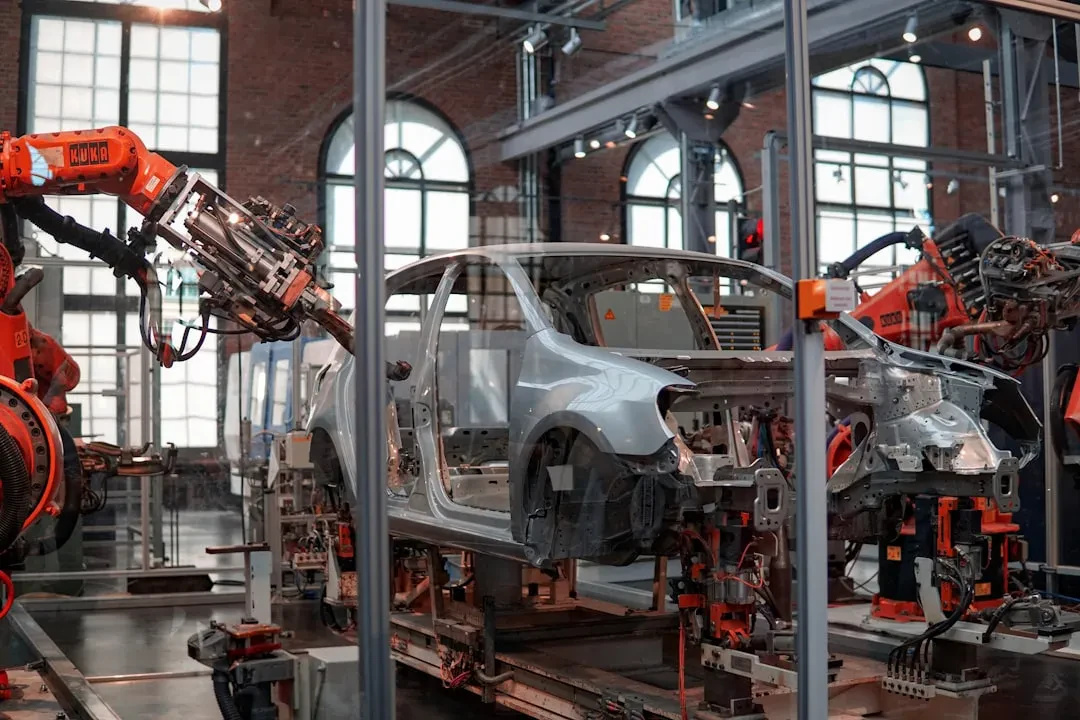
This talent war extends far beyond research and development centers. Smart factories require workers skilled in using AI-driven robots, predictive maintenance, and managing digital assembly lines. Component manufacturers are investing heavily in workforce reskilling, with intensive training programs often supported by local governments concerned about industrial competitiveness. A notable example is the growing collaboration between universities and companies to create dedicated degree programs in AI engineering applied to transportation.
Sponsored Protocol
Implications for autonomous driving
Recent data on Tesla robotaxi crashes, discussed in our in-depth piece on the slow march toward full autonomy, show that a lack of skilled talent can slow innovation and increase risks. Companies that fail to attract engineers with specific expertise in cybersecurity and algorithm robustness risk launching immature products. Competitive advantage comes not only from capital but from the ability to build multidisciplinary teams capable of tackling complex problems, from sensor perception to motion planning.
Recruitment and retention strategies
To win this race, automotive companies are adopting innovative strategies. Some offer compensation packages that include stock options and bonuses tied to technical milestones. Others focus on internal training, creating corporate academies to transform mechanical engineers into deep learning experts. Strategic acquisitions are also common: startups specializing in computer vision or simulation are bought at high prices not just for their technology but for their teams. As the original TechCrunch Mobility source emphasizes, this dynamic is accelerating the convergence of automation and AI, with profound consequences for employment and industry structure.
Sponsored Protocol
For a deeper understanding of the technological foundations of this revolution, you can consult the Wikipedia page on autonomous cars. In short, the AI talent war in automotive is the phenomenon that will determine who drives the future of mobility. Companies that invest in the right people today will be the ones setting industry standards tomorrow.