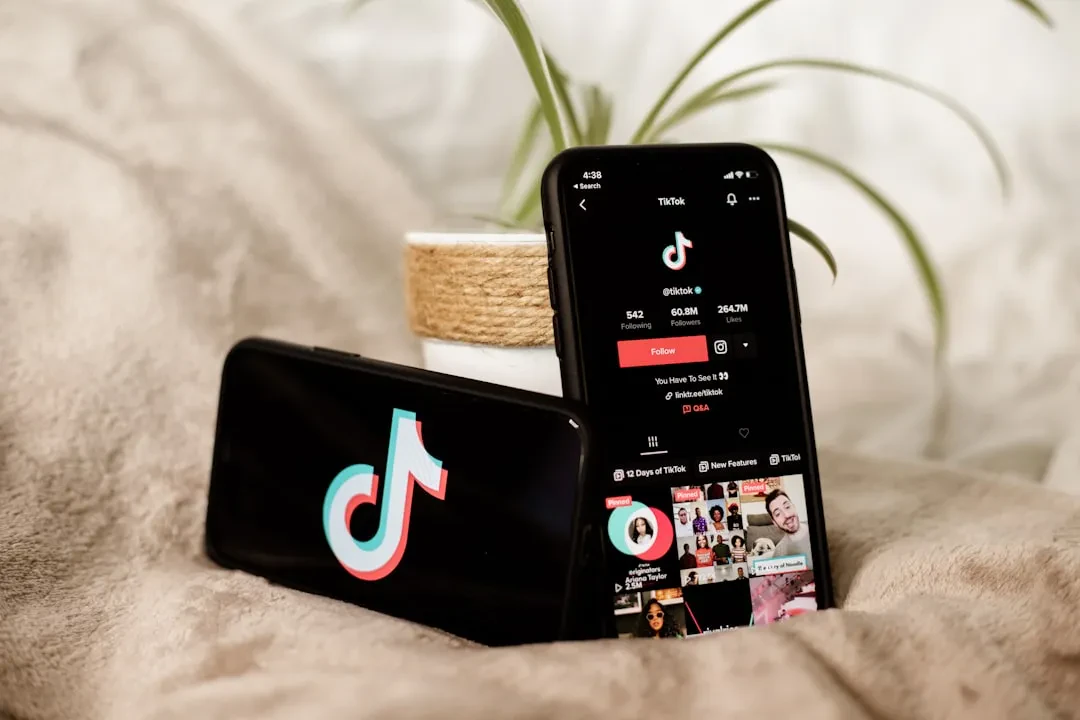
TikTok is accelerating its transformation into a super app, integrating peer-to-peer payments, an in-app shopping marketplace, and enhanced messaging features. According to a TechCrunch report, ByteDance is testing these functionalities in key Southeast Asian markets, replicating the WeChat model that offers financial services, bookings, and social networking in China. The move seeks to solidify TikTok's dominance in the digital economy by leveraging its over 2 billion global users.
Why the super app transformation is crucial
Integrating financial services and shopping increases user engagement and data collection, strengthening TikTok's competitive edge in targeted advertising. It also reduces reliance on third-party platforms like PayPal or Shopify. However, this strategy draws regulatory scrutiny: in the US the threat of a national security ban remains real, while in Europe the Digital Markets Act imposes strict rules. As discussed in the article on Pope, AI and SMEs: Technology is never neutral, platform choices have profound ethical and social consequences.
Sponsored Protocol
What changes for users and businesses
For users, a TikTok super app would mean ultimate convenience: a single app for chat, shopping, payments, and entertainment. But also greater exposure to profiling and invasive advertising. For businesses, it opens a direct channel for social commerce with integrated sales tools and native advertising. The real battle lies in regulation: if TikTok overcomes legal hurdles, it could redefine the entire social media ecosystem, forcing rivals like Meta and Google to respond with similar features. According to TechCrunch, the road is long, but the direction is clear.
Sponsored Protocol