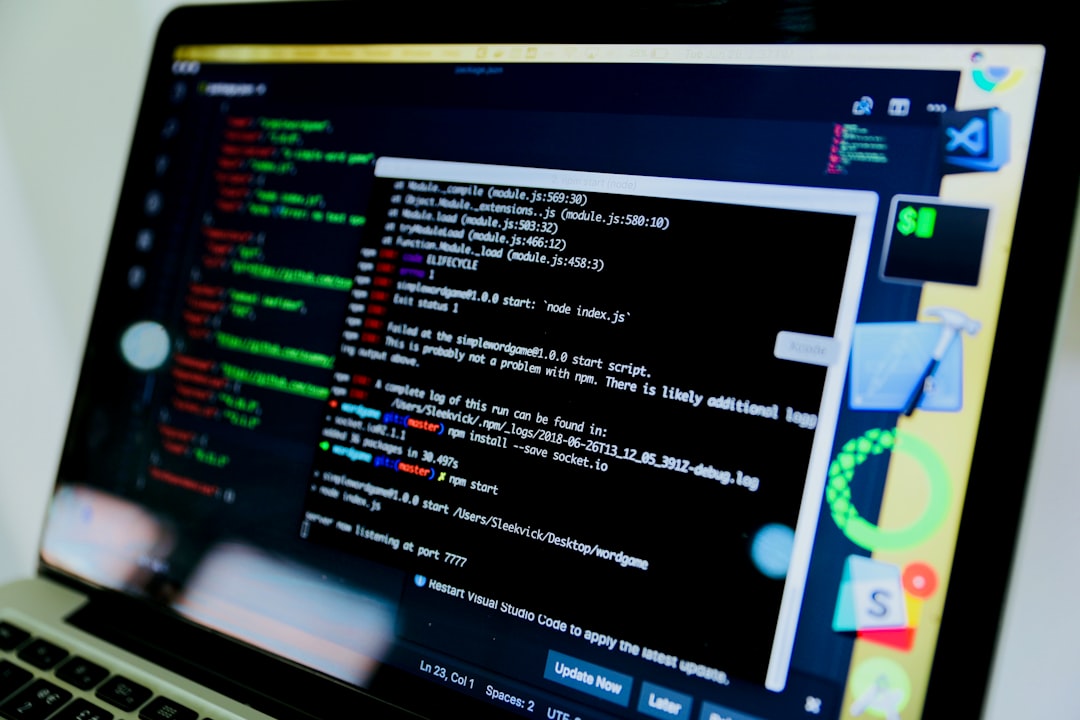
The United States government has announced a reward of up to $10 million for information leading to the identification or location of a Russian state cyber group that has compromised thousands of Signal and WhatsApp accounts belonging to investigative journalists and US government employees. The operation, active since at least March 2026, poses a critical threat to national security and digital privacy.
Targeted Phishing Against Journalists and Government Officials
According to the FBI, the Russian attackers conducted highly targeted phishing campaigns. Messages disguised as automated support communications ask users to click a link or provide verification codes or account passwords. If the user complies, they unknowingly link the attacker's device to their account or are completely locked out. This technique has allowed the group to access sensitive conversations and personal data of high-value targets.
Sponsored Protocol
Federal Response and the $10 Million Reward
The Department of Justice, in coordination with the FBI, announced the reward program as part of efforts to counter cyber threats from Russia. The $10 million bounty is among the largest ever offered for information on hacking groups. Authorities urge anyone with relevant information to contact their local FBI office or the dedicated online portal. Meanwhile, Signal and WhatsApp have strengthened security measures, but phishing remains an effective attack vector.
The Evolving Privacy Threats in Messaging Apps
Incidents like this highlight the vulnerability of even end-to-end encrypted platforms when users are tricked into sharing credentials. Despite security protocols, the human factor remains the weak point. For more on messaging app security dynamics, see the article on WhatsApp username reservations, which shows how features can impact privacy. Additionally, to understand the geopolitical impact on cybersecurity, refer to Wikipedia on phishing.
Sponsored Protocol
The Russian group, linked to Moscow's intelligence services, continues to pose a serious global cybersecurity threat. Investigations are ongoing, and developments are expected in the coming weeks.