Former Google DeepMind executive Verity Harding has raised the alarm over the current trajectory of artificial intelligence development. In a recent interview with WIRED, Harding explained how the rhetoric of an AI arms race is replacing the international cooperation that once defined the field. According to Harding, the warlike language adopted by governments and companies risks closing the door to the collaboration needed to ensure the technology is safe and its benefits are evenly distributed.
The origins of the war metaphor
Harding, who briefed world leaders such as Barack Obama and Emmanuel Macron on AI advances between 2016 and 2020, recalls that research back then was rooted in international cooperation. However, with the launch of ChatGPT amid a global pandemic and the war in Ukraine, the narrative shifted. The term “AI arms race” became commonplace, comparing artificial intelligence to nuclear weapons. Harding emphasizes that this metaphor, while catchy, restricts thinking and pushes toward a bipolar confrontation between the US and China. Internally, we have seen how OnlyFans creators' DMCA requests can affect the visibility of online content, an example of how digital dynamics intertwine with geopolitics.
Sponsored Protocol
Consequences of nationalist rhetoric
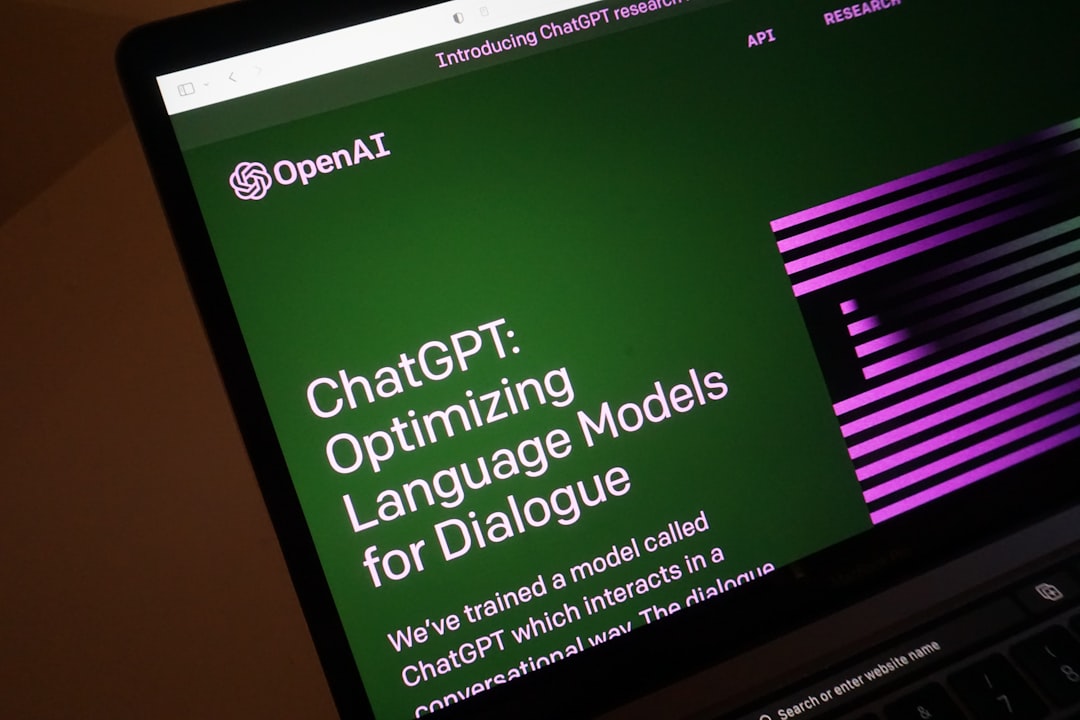
Harding sees the Trump administration's nationalist AI rhetoric and attempts to impose export controls on AI models as symptoms of a dangerous drift. This approach, she warns, forces smaller countries to line up behind one superpower or another, often against their own interests. Furthermore, the frantic competition between labs like OpenAI and Anthropic fuels a race that could lead to excessive government control and less safe systems. Harding cites the example of Anthropic being forced to withdraw its advanced model from the market, an event highlighting the fragility of the current landscape. Recently, OpenAI launched GPT-5.6 Sol, Luna, and Terra, a clear sign of how competition pushes companies to release ever more powerful models.
Sponsored Protocol
An alternative the middle powers coalition
To counter this trend, Harding proposes forming a coalition of middle powers, including countries like Canada, France, Japan, South Korea, India, and the United Kingdom. This alliance, she explains, would provide leverage and scale, combining resources and talents without blindly aligning with a superpower. The goal is to keep international cooperation alive, preventing the race rhetoric from becoming a self-fulfilling prophecy. Harding concludes that it is essential to exercise the cooperation muscle, otherwise it will wither.
Source: https://www.wired.com/story/verity-harding-ai-arms-race-dangers-anthology