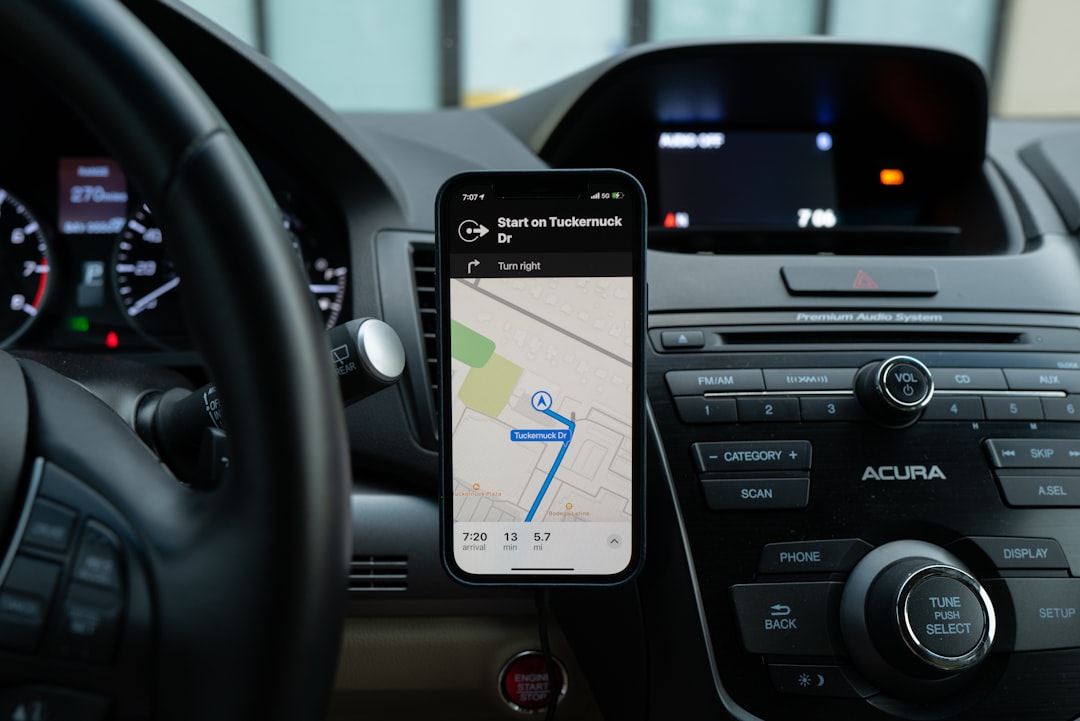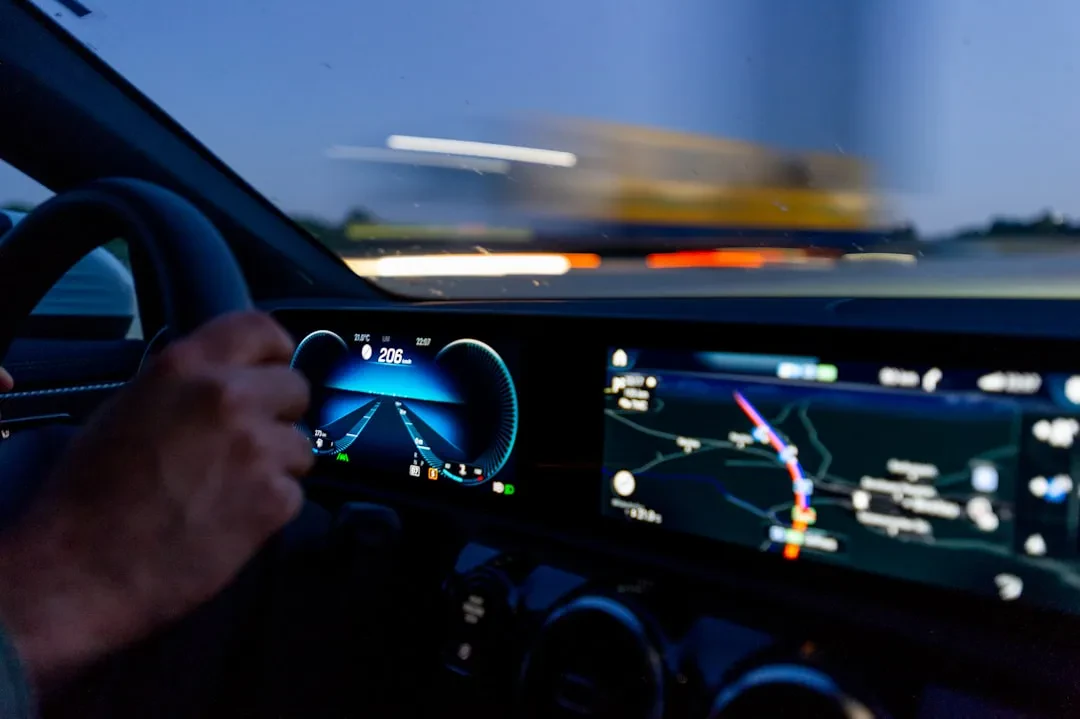
For years, drivers have enjoyed the convenience of Android Auto and Apple CarPlay, but the landscape is rapidly changing. Major automakers like General Motors are phasing out phone mirroring from their vehicles, opting for proprietary infotainment systems based on artificial intelligence and subscriptions. This trend, already embraced by Tesla and Rivian, could redefine the driving experience by the end of the decade.
The end of an era: why automakers are turning away from Android Auto
General Motors has announced that its electric vehicles will no longer support Android Auto, and soon all models will follow suit. In its place, GM will integrate a conversational system powered by Google Gemini AI. The company argues that this allows deeper control over vehicle data, such as battery status and route planning for charging stops, improving the overall experience. However, the move has sparked backlash among enthusiasts, many of whom say they will not buy cars without Android Auto.
Sponsored Protocol
Data and subscriptions: the real driver of change
One key reason is control over data. With Android Auto, much of the navigation and usage information ends up on the phone, depriving automakers of valuable data to improve their vehicles. General Motors, after a $12.75 million fine for privacy violations in California, cannot sell the data but wants to use it to optimize EV charging and assisted driving. Moreover, proprietary systems open up new subscription opportunities, such as premium connectivity services. Tesla and Rivian already offer paid plans, and many fear this may become the norm. For those looking to save on tech and wellness, there are Whoop promo codes and Therabody promo codes to stay fit without breaking the bank.
Sponsored Protocol
AI and integration: the future without mirroring
Rivian and Tesla have always avoided Android Auto, preferring proprietary systems with built-in AI. Rivian, based on Android Automotive OS, believes that the capabilities of artificial intelligence make phone mirroring obsolete. For instance, voice assistants can handle navigation, music, and climate control more seamlessly, without needing the phone. However, these systems require an active cellular connection, often at an additional cost. Despite this, many traditional automakers continue to support Android Auto, and for now, most 2026 models still include it. As explained on Wikipedia, Android Auto remains the de facto standard for many drivers.
Sponsored Protocol
Market reactions and outlook
GM's decision has sparked intense debate. Many consumers are opposed to forced subscriptions, and the lack of Android Auto could influence purchasing decisions. Fortunately, alternatives like Apple CarPlay are still widely available. Meanwhile, those looking for deals on VR headsets can take advantage of Meta Quest promo codes. The future of automotive infotainment hinges on balancing AI innovation, data privacy, and user costs. Only time will tell if automakers can convince drivers to give up the convenience of their smartphones.
Source: https://www.engadget.com/2197854/why-car-manufacturers-ditching-android-auto-explained