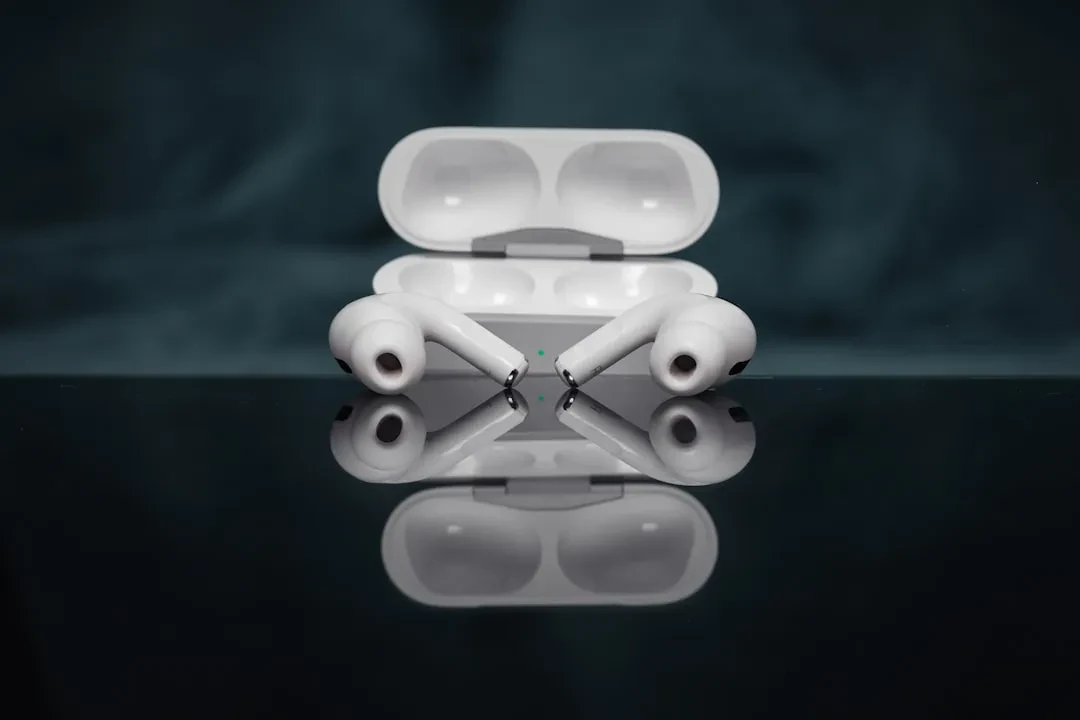
In recent years, wireless earbuds have become ubiquitous. However, a growing body of research is prompting cardiologists to warn patients with cardiac implantable devices (CIDs) such as pacemakers and implantable cardioverter-defibrillators (ICDs). The issue is not sound but magnetism. AirPods and many other true wireless earbuds contain powerful neodymium magnets needed for proper fit in the ear and for securing the charging case lid. These magnets create a static magnetic field that, when too close to a CID, can interfere with its operation.
How Earbud Magnets Affect Cardiac Devices
Pacemakers and ICDs are designed to respond to very weak electrical signals from the heart. An external magnetic field can inadvertently activate an internal switch called a reed switch, which is intended to put the device into a test or emergency mode. Some older models may switch to a fixed-rate pacing or temporarily disable defibrillation therapy. Recent studies have shown that the recommended safe distance of 15–20 centimeters historically cited by CID manufacturers might not be sufficient for the new generation of magnets used in products like the AirPods Pro 3. One test on a patient cohort showed clinically significant interference at distances under 2 centimeters, but the risk increases if earbuds are placed in a shirt pocket or if the charging case is laid directly on the chest while sleeping.
Sponsored Protocol
Industry Response and Guidelines
Apple, Samsung, and other manufacturers have updated their safety instructions to include clear warnings for people with implanted medical devices. However, many users do not read manuals. Cardiologists are now explicitly advising their patients to avoid storing wireless earbuds in breast pockets and to keep the charging case away from the chest during sleep. The most common recommendation is to maintain at least 15 centimeters of distance between any wireless earbud and the implanted device, but caution suggests using wired earphones or external speakers when possible. Not all patients are equally at risk: newer devices have better shielding, but the variability among models and manufacturers makes a one-size-fits-all safety rule impossible.
Sponsored Protocol
What Science Says and What to Do
An article published in a cardiology journal analyzed 20 different wireless earbud models and found that all produced a detectable magnetic field at 2 centimeters, while only some did so at 3 centimeters. The main concern is not during listening but during storage. Many people tend to put earbuds in a jacket's upper pocket or keep them under a pillow at night. For someone with an ICD, interference could not only alter pacing but also inhibit the device's ability to detect ventricular fibrillation, potentially leading to fatal outcomes. Cardiologists therefore recommend always keeping the charging case at a safe distance and never sleeping with earbuds inserted. Alternative solutions for nighttime listening include pillow speakers that eliminate the magnetic issue entirely.
Sponsored Protocol
Regulatory Landscape and Consumer Responsibility
The U.S. Food and Drug Administration (FDA) has received reports of interference with cardiac devices caused by consumer products but has not yet imposed strict limits. Meanwhile, the medical community is mobilizing to raise awareness among patients. This phenomenon is part of a broader debate about the safety of wearable electronics, which includes not only earbuds but also smartwatches, smart rings, and even some tech garments with built-in magnets. Awareness is the only effective defense: patients with CIDs should discuss their earbud usage habits with their cardiologist and, if necessary, switch to safer alternatives. For more on safeguarding your digital devices, check out our article on the Dashlane vault theft notification. Additionally, to understand how to protect your personal data from external attacks, read our operational guide on preventing XSS vulnerabilities. From a data security perspective, a solid foundation in web security for developers is essential for protecting connected medical apps. An authoritative reference on this topic is Wikipedia's page on electromagnetic interference with medical devices.
Sponsored Protocol
Source: https://www.engadget.com/2193554/airpods-pacemakers-magnet-interference