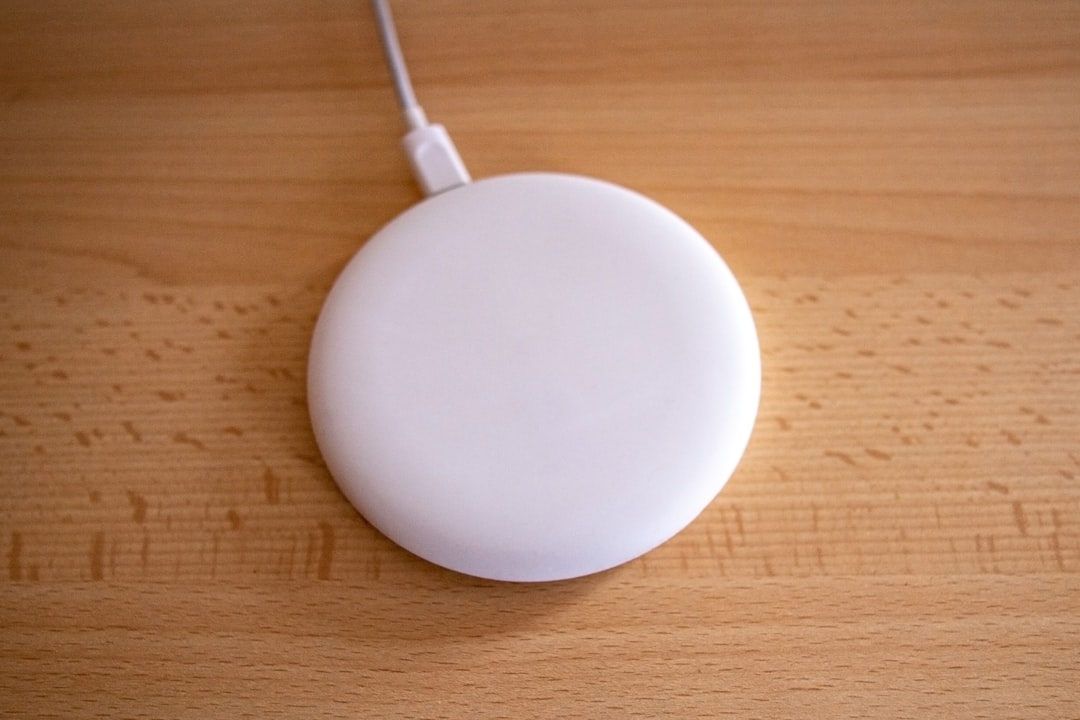
The convenience of dropping your smartphone on a pad instead of plugging in a cable comes with a hidden energy cost. Multiple independent studies confirm that wireless charging consumes 30 to 40 percent more electricity than wired charging. A 2024 test by iFixit found that Apple's MagSafe system uses about 36 percent more energy, while a 2020 OneZero study had already measured a 40 percent delta. This waste is not negligible on a global scale.
The electromagnetic mechanism is inherently less efficient
Wireless charging relies on electromagnetic induction: current passes through a coil in the pad, generating a magnetic field that induces current in a receiving coil in the phone. This process involves multiple losses: heat dissipation, the air gap between devices, and AC-to-DC conversion. While a wired charger loses between 5 and 10 percent of energy in AC-DC conversion, wireless charging adds further losses of 20 to 30 percent due to heat and misalignment. As a result, fully charging a smartphone takes about 15 Wh via cable versus 21 Wh wirelessly.
Sponsored Protocol
The global impact of energy waste is enormous
According to the Wireless Power Consortium and the Deloitte Mobile Consumer Survey UK, between 30 and 66 percent of smartphone owners use wireless charging at home. With around 7.6 billion smartphones worldwide, if only 30 percent were charged wirelessly, the annual global waste would be approximately 4,830 GWh, enough energy to power hundreds of thousands of homes for a year. This figure is set to rise as wireless chargers become more popular. Ironically, while companies like Anthropic launch persistent AI agents such as Claude Tag to improve work efficiency, wireless charging continues to consume more energy than necessary.
Sponsored Protocol
Heat damages the battery and shortens phone lifespan
Lithium-ion batteries suffer from high temperatures. Wireless chargers generate heat that, if it exceeds 45°C, triggers the phone's safety mechanisms to slow down charging to protect the battery. This not only extends charging time but also accelerates chemical degradation, potentially leading to early phone replacement. Prolonged use of wireless charging in hot environments or under pillows can further accelerate deterioration.
Cheap chargers and health risks
Not all wireless chargers are created equal. Low-cost products often lack temperature sensors and foreign object detection. Placing metal objects between the phone and the pad can cause dangerous overheating. Moreover, some high-power chargers generate magnetic fields strong enough to interfere with medical devices like pacemakers, triggering "magnet mode" and altering pacing rate. It is therefore essential to choose certified Qi2 or MagSafe products.
Sponsored Protocol
Improvements are coming but wired charging will remain more efficient
The Qi2 and MagSafe standards are improving coil alignment, reducing losses. However, the physics of wireless transmission can never match the efficiency of a direct contact. Cables, though they wear out and generate e-waste, remain the most sustainable choice in terms of energy consumption and battery life. For those seeking maximum efficiency, wireless charging on Wikipedia provides further technical details.
Source: https://www.engadget.com/2200186/wireless-charging-wastes-electricity-why