The 2026 World Cup is set to transform the viewing experience with two groundbreaking technologies: body cameras worn by referees and the new Trionda match ball. While fans will see the pitch from an unprecedented angle, aerodynamics experts and human rights organizations are raising red flags.
Referee Body Cameras: A First-Person View
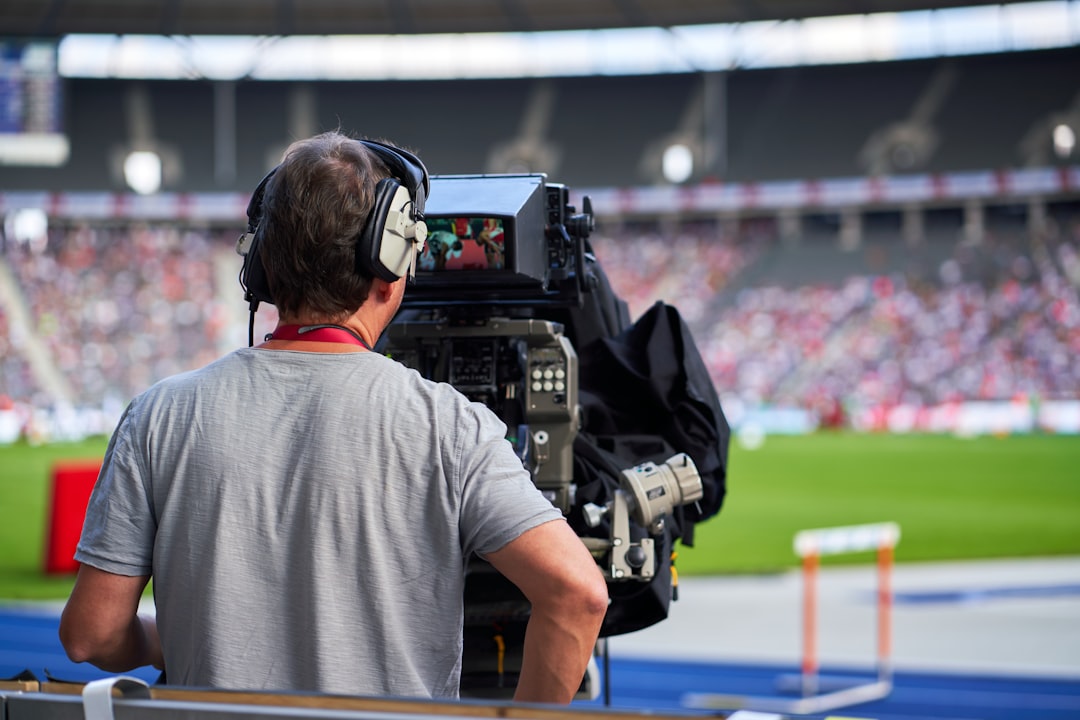
Officials will wear tiny cameras attached to their temples, broadcasting a live first-person view of the action. This innovation promises greater transparency and immersion, but it also raises privacy concerns and adds psychological pressure on referees.
The Trionda Ball Challenges Traditional Aerodynamics
According to research featured on WIRED, the official ball shows less erratic movement during corner kicks and free kicks. However, on powerful long-range clearances it loses distance, forcing players and coaches to adjust tactics. Set pieces and goal kicks will never be the same.
Amnesty International’s Human Rights Alarm
Beyond tech, Amnesty International warns that the tournament could lead to human rights violations in the three host countries. The organization calls for protections for migrant workers, freedom of expression for fans, and safeguards for protesters. The risk of mass surveillance and biometric profiling remains high, echoing past editions.
The challenge for FIFA and organizers is balancing innovation with responsibility. While new tech enhances the spectacle, ethical concerns cannot be ignored. The coming months will determine whether 2026 is remembered as the most advanced World Cup or the most controversial. For more on AI and security at global events, read our article on AI agents in Europe.
Learn more about the innovations on WIRED (referee cameras) and WIRED (Trionda ball).
Sponsored Protocol