 Ing. Calogero Bono

Have you ever issued an invoice for a specialist visit, mistakenly applying 22% VAT? Or perhaps you skipped electronic invoicing because you thought healthcare services were "exempt and that's it"? You are in good company: every week we see medical practices risking penalties for errors in healthcare invoicing. We at Meteora Web come from accounting — double-entry bookkeeping, VAT returns, F24 — and we managed the ERP system of a clothing store. That's why when we talk about healthcare invoices, we know the line between correct and penalizable is thin. In this guide we explain the 2026 rules, real exemptions, and how to fix your invoicing process.
What is healthcare invoicing and why is it different from other invoices?
Healthcare invoicing is not just a variation of ordinary invoicing. Healthcare services (visits, diagnostic tests, hospitalization, surgeries) are VAT-exempt under art. 10, paragraph 1, no. 18 of DPR 633/72. Attention: exempt does not mean "no invoice". On the contrary: the obligation to issue an invoice remains, but the invoice must show the correct nature of the operation and must not calculate VAT. Getting this wrong — for example, issuing an invoice with 22% VAT or, conversely, not issuing an invoice because it is exempt — leads to challenges from the Italian Revenue Agency.
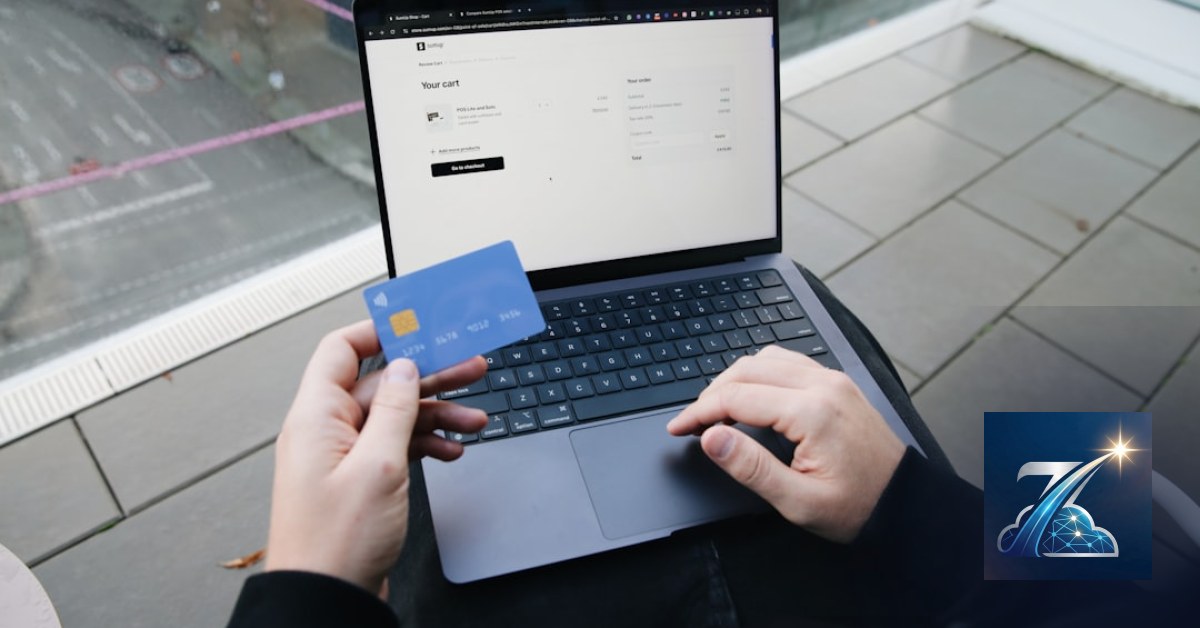
A second critical aspect is mandatory electronic invoicing: since January 1, 2024, even doctors and healthcare professionals under the flat-rate regime must issue electronic invoices via SDI. Before that date, flat-rate taxpayers were exempt; now they are not. So if you are a dentist or a physiotherapist with a flat-rate VAT number, you must use software that generates XML and sends it to the Exchange System (SDI).
What are the VAT rules for healthcare services in 2026?
In 2026 the VAT rules for healthcare remain substantially unchanged. Here are the key points you need to know:
- Objective VAT exemption: medical and paramedical services, if performed by qualified persons (doctors, surgeons, nurses, physiotherapists, psychologists, etc.), are exempt. This applies both to private patients and the National Health Service (SSN).
- Nature of the operation: in the electronic invoice you must indicate code N2.1 (exempt operations). Do not use N1 (taxable) or N3 (not taxable).
- Ancillary services: medical certificates, expert opinions, follow-up phone calls are exempt if strictly related to the main healthcare service. If they are different in nature (e.g., drafting a care contract), they may be subject to VAT.
- Medicines and medical devices: the supply of medicines is VAT-exempt if prescribed and administered within a healthcare service. If sold over the counter, they are subject to reduced VAT (4% or 10% depending on the type).
At Meteora Web we have seen practices that added 22% VAT on a visit because the patient was a company requesting an invoice with VAT. Serious mistake: exemption is objective and cannot be derogated. The professional risks the recovery of the improperly charged VAT plus a penalty.
How to manage VAT exemptions and the electronic invoicing obligation?
Let's start with the practical fact: if you are a doctor or a paramedic, all your typical services are VAT-exempt. You do not need to calculate VAT on the invoice. But you still have to issue an electronic invoice (with some exceptions for services to private individuals not requesting an invoice, but the general rule is yes). Here is how to fill the XML:
- Document type: TD01 (invoice) if you issue an immediate invoice; TD02 for deferred (cumulative). Flat-rate taxpayers can use TD01 or TD08 (simplified invoice) for amounts up to 400€, but be careful: the simplified version requires fewer fields but must still show the exemption.
- Nature: in the
<Natura>field insert the value N2.1. Otherwise the system rejects the invoice. - Taxable amount and VAT: the taxable amount is the service price; VAT is zero. Do not leave the field empty; set
<AliquotaIVA>0.00. - Patient data: if the patient is an individual, insert their tax code (mandatory for electronic invoice). For SSN services, the patient's tax code is always required.
Example of VAT block in a healthcare electronic invoice:
<DatiBeniServizi>
  <DettaglioLinee>
    <NumeroLinea>1</NumeroLinea>
    <Descrizione>Cardiological visit</Descrizione>
    <PrezzoUnitario>100.00</PrezzoUnitario>
    <PrezzoTotale>100.00</PrezzoTotale>
    <AliquotaIVA>0.00</AliquotaIVA>
    <Natura>N2.1</Natura>
  </DettaglioLinee>
</DatiBeniServizi>
Which tax codes and fiscal regimes apply to healthcare professionals?
Here the discussion splits: on one side the professional's tax code, on the other the choice of fiscal regime that affects invoicing.
- VAT number: every healthcare professional who habitually practices the profession must open a VAT number. Main ATECO codes: 86.22.01 (general practitioners), 86.23.01 (dentists), 86.90.11 (psychologists), 86.90.12 (physiotherapists), etc. Check that your ATECO code is consistent (if wrong, SDI may reject the invoice).
- Flat-rate regime: many doctors with turnover below 85,000€ choose the flat-rate regime. In this regime VAT is not charged on the invoice (VAT exemption is implicit) but you still issue an electronic invoice with N2.1. Note: flat-rate taxpayers cannot deduct VAT on purchases, but that's another matter.
- Ordinary regime: those who exceed the threshold or opt voluntarily for the ordinary regime issue exempt invoices as above, but have the obligation of periodic VAT returns (even if everything is exempt, the declaration must be filed).
- Professional partnerships (SANP): if you operate in an association, the invoice must be made out to the partnership, but the nature of the service remains exempt.
A classic mistake: the flat-rate doctor issues an invoice with VAT shown (e.g., for a corporate client who requests it). Not allowed: the choice of regime determines the impossibility of charging VAT. The corporate patient must accept the exempt invoice and then handle the deduction in their tax return.
How to avoid common mistakes in healthcare invoicing?
After years of field experience, we have collected the most frequent errors we see in medical practices that entrust us with IT and fiscal management:
- Invoicing with 22% VAT on exempt services. Solution: always use N2.1, even if the client requests otherwise.
- Not issuing an invoice for services to private individuals. The law requires an invoice (or receipt) for any payment exceeding €77.47. For lower amounts, you can use a fiscal receipt or till slip, but electronic invoicing is always recommended.
- Forgetting the patient's tax code. The healthcare electronic invoice requires the patient's tax code for traceability reasons. If you don't have it, ask at the time of the visit.
- Using the wrong nature code. Besides N2.1, there are N2.2 (non-taxable), N3 (exempt with non-deductible VAT), etc. Use only N2.1 for typical healthcare services.
- Not storing electronic invoices. Invoices must be digitally preserved for 10 years. Use a conservation service (e.g., Aruba, InfoCert) or a management software that includes it.
- Not updating invoicing software to the latest technical specifications. The Italian Revenue Agency periodically releases updates to the XML format. Outdated software can cause rejection.
At Meteora Web we have developed a management module for medical practices that automates these rules: you enter the service and the patient, and the system generates the correct XML with N2.1, eliminating the risk of error. Owning your own stack is better than paying lifetime fees on closed platforms.
What to do now
Don't wait for a notice from the Revenue Agency. Here are three immediate actions:
- Check your last 10 invoices. Verify that all have nature N2.1 and zero VAT. If you find errors, issue a credit note and reissue the correct invoice.
- Move to electronic invoicing. If you still do not use software to generate XML, choose one that handles the healthcare exemption. We can help with our management system if you like.
- Train your staff. If you have a secretary who issues invoices, explain the difference between exemption and taxability. A mistake at issuance time costs time and money.
To explore the full management ecosystem for a medical practice (GDPR, agenda, reminders, digital reports), visit our pillar page.
Zenith Health & Medical is the all-in-one platform to run your business — clients, scheduling, deadlines, invoicing and WhatsApp reminders, all from your browser. No installation required.
Discover Zenith Health & Medical →