The idea of pressing a button and seeing a physical object come to life, layer by layer, has moved from science fiction to the school lab down the street in just a few years.
3D printing is not just a new machine for hobbyists, but a technology that is reshaping the timelines, costs, and logic of production, from design accessories to aerospace components.
What does 3D printing really mean?
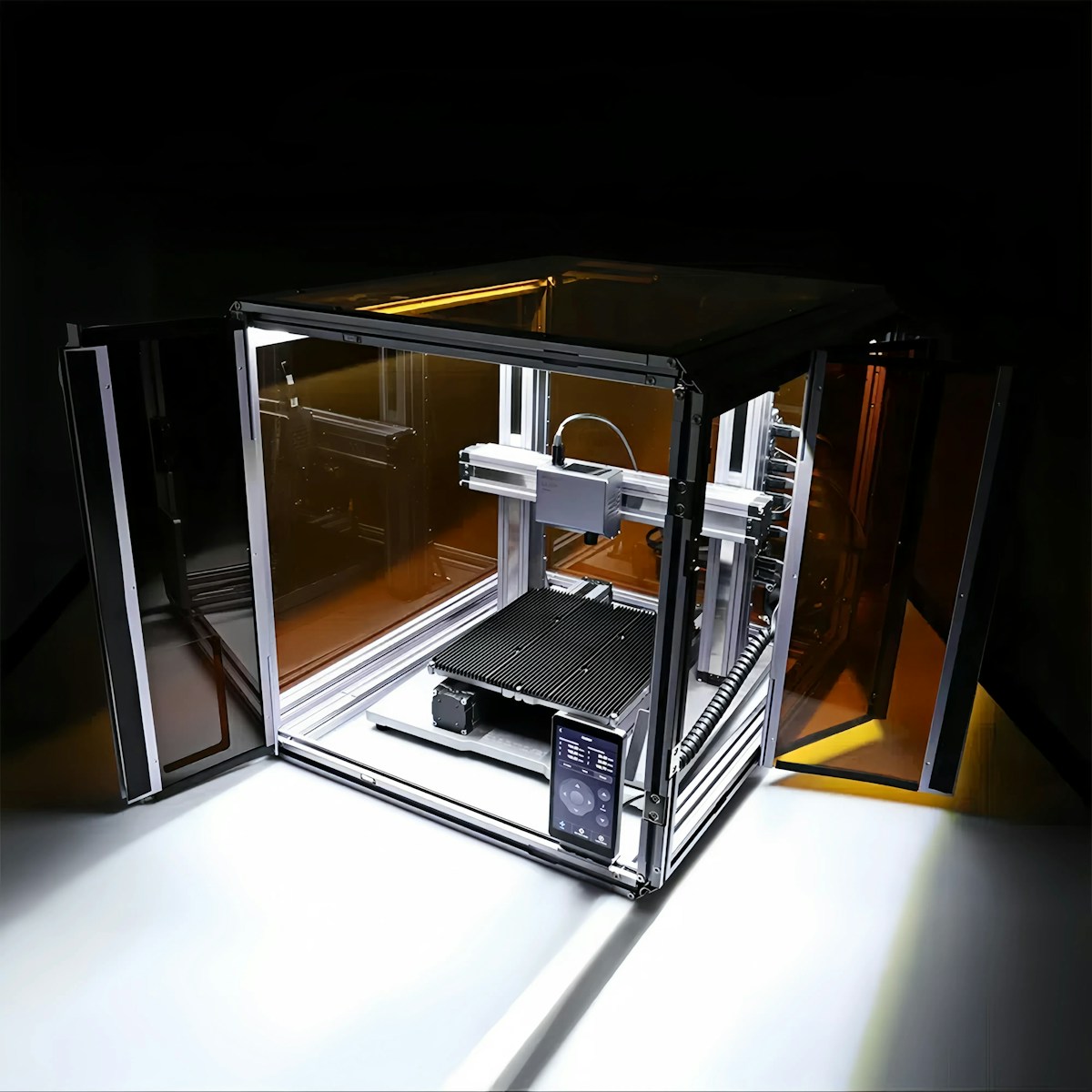
3D printing refers to a family of technologies that create physical objects by adding material, layer upon layer. In the industrial field, the key term is
additive manufacturing, as opposed to subtractive methods like milling or turning. The definitions gathered from
Wikipedia and the
ISO ASTM standards on additive manufacturing emphasize precisely this change in perspective: you don't start from a block to carve out, but from an empty space to build.
In practice, a 3D printer reads a three-dimensional digital model and transforms it into a sequence of instructions that guide the deposition or solidification of material. Each layer is an extremely thin slice of the final object, which takes shape as the nozzle moves or the laser hits the powder or resin.
From digital model to physical object
The heart of 3D printing is the
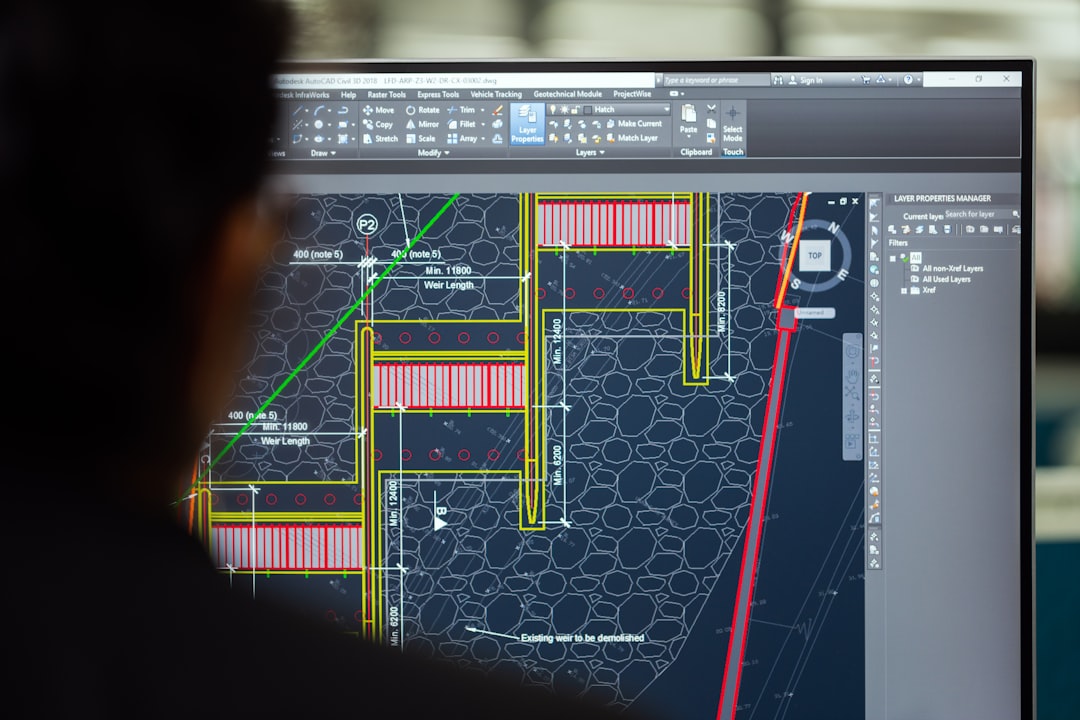
3D model. It can be designed with CAD software, scanned from an existing object, or downloaded from online repositories. Once ready, it is exported into standard formats like STL or 3MF and handed over to a
slicing program, which breaks it down into hundreds or thousands of layers.
The slicer then generates the
G-code which contains all the movement and process instructions for the machine. Print speed, temperature, layer thickness, and internal infill are decided at this stage. Manufacturers like
Prusa or
Ultimaker, with their open-source software, explain well in their documentation how each parameter affects the time, quality, and strength of the finished part.
The main 3D printing technologies
When thinking of a 3D printer, it's natural to imagine a spool of plastic and a hot nozzle. In reality, that's just one of the possible methods. The most widespread technology in the desktop realm is
FDM or FFF, where a polymer filament is melted and deposited layer by layer. It's economical, relatively simple to use, and perfect for prototypes and non-critical functional parts.
Alongside this, there are
resin-based technologies, like SLA and DLP, which use ultraviolet light to selectively solidify a liquid photopolymer. They offer very fine details and very smooth surfaces, in exchange for more complex material handling and post-processing. At the industrial level, processes based on powder beds find their place, such as SLS for polymers and SLM or EBM for metals, where a laser or electron beam melts the powder layer by layer. Technical portals like
Autodesk 3D printing collect detailed overviews of these processes and their use cases.
Different design, different forms
The real difference of 3D printing becomes apparent when you start designing with an additive mindset. Complex internal geometries, intricate cooling channels, lightweight yet robust lattice structures are difficult or impossible to achieve with traditional manufacturing. With additive, they become realistic options.
This is why
design for additive manufacturing is often discussed. It's not about taking a part designed to be milled and 3D printing it, but about rethinking it to exploit the geometric freedom offered by layers. Companies operating in sectors like aerospace and motorsport have been using these techniques for years to lighten components while maintaining rigidity and performance, as told by numerous case studies published by specialized service providers.
From prototyping to limited series production
For a long time, 3D printing remained confined to
rapid prototyping. Sending a file today and having a part in hand tomorrow has drastically reduced the time between an idea and the first physical model. But in recent years, the line between prototype and production has become thinner.
3D-printed components already fly in airplanes, go into engines, and end up in customized medical devices. In many companies, additive is used for internal tooling, jigs, fixtures, and custom instruments that wouldn't make economic sense with other techniques. The next step, already underway, is its use in production for
limited series and distributed spare parts, where flexibility in volumes matters more.
Makers, fablabs, and the culture of customization
Parallel to the industrial world, 3D printing has fueled an entire ecosystem of
makers, independent designers, and fablabs. Desktop printers, online communities, and open-source model repositories have made it normal to download a file, modify it, reprint it, and share the improved version.
In this context, the technology is not just a production tool, but a cultural engine. People learn 3D modeling skills, experiment with solutions for education, and develop low-cost prosthetics and aids for people with disabilities that wouldn't find space in traditional catalogs. 3D printing becomes a catalyst for
customization and grassroots production.
Current limits and open challenges
Despite the enthusiasm, 3D printing has very real limits. Production times remain high compared to molding for large volumes, the available materials still don't cover every need, and surfaces often bear the scars of the layers that compose them. In many cases, post-processing is needed to achieve tolerances and finishes compatible with the final use.
Then there's the issue of
repeatable quality. Bringing 3D printing into production means establishing procedures, controls, and certifications that guarantee identical parts over time. The technical standards published by ASTM and ISO on controlling additive processes go precisely in this direction, but the path is still evolving, especially for regulated sectors.
Why 3D printing revolutionizes production
The strength of 3D printing lies not in the idea of replacing every factory with a machine on a desk, but in changing the relationship between
information and matter. What travels are the files, not the molds. It's possible to produce near the point of use, reduce inventory and transport, and create more resilient supply chains that don't depend on a single distant facility.
In a context where customization, speed of response, and resource optimization become competitive factors, 3D printing offers a new production grammar. It won't replace all existing technologies, but will complement them wherever it makes sense to exploit the freedom to design and produce different parts without having to reinvent the entire chain each time. It is at this intersection of digital and physical that 3D printing stops being a gadget for enthusiasts and truly becomes an element that revolutionizes the way we think about production.