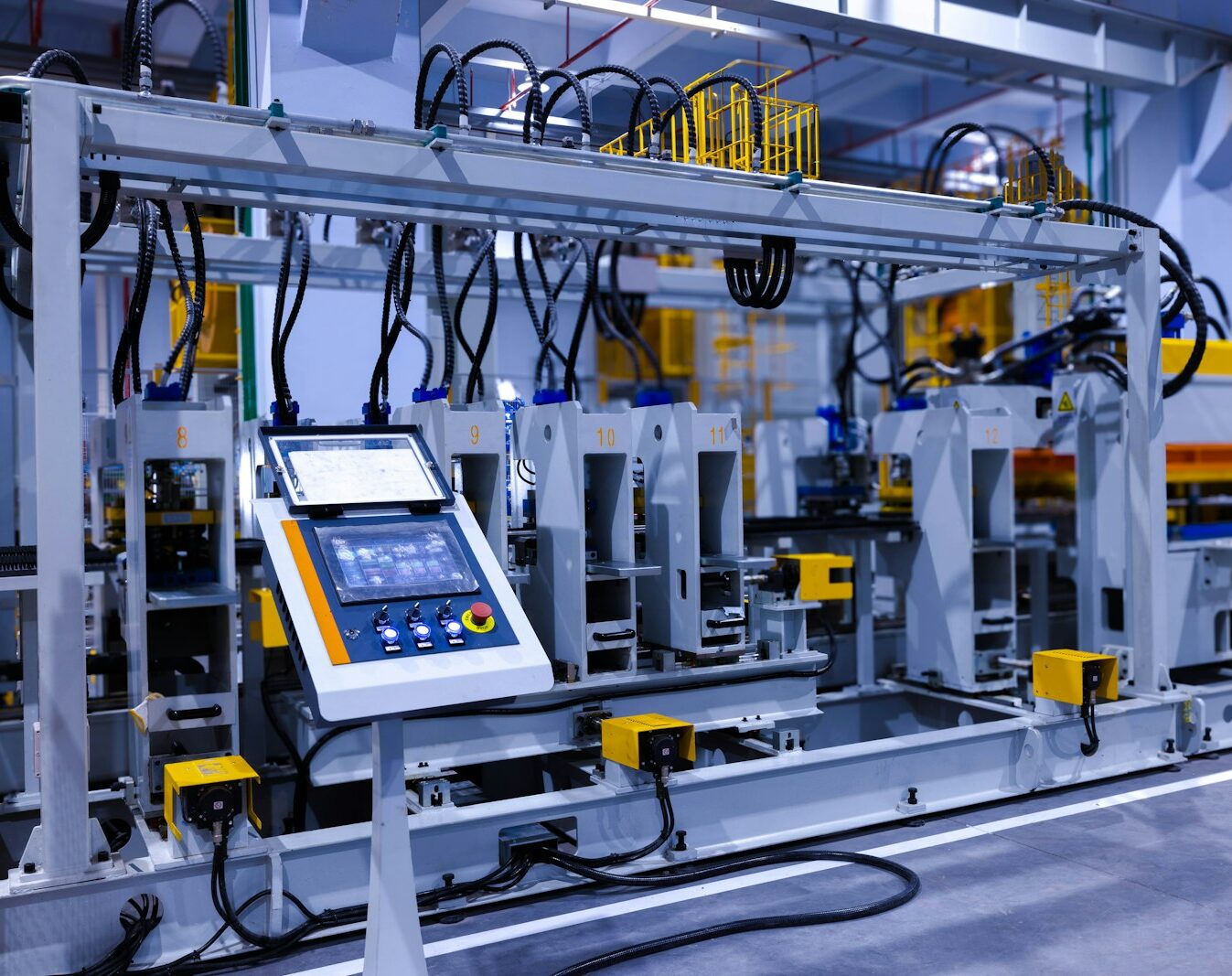
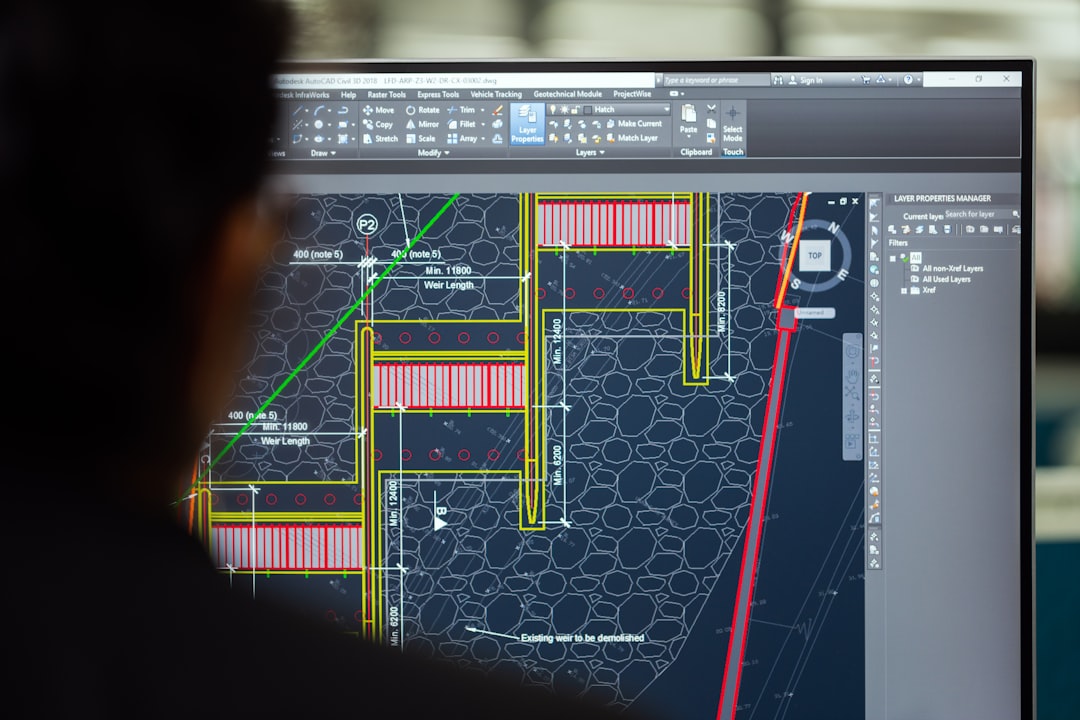
When people talk about factories, many still imagine conveyor belts and blue overalls. In reality, modern production increasingly resembles a traditional assembly line less and less, and more an ecosystem of machines, sensors, software, and data communicating in real time. At the center of this ecosystem is
industrial automation, the logic that decides what must happen, when, and with what level of precision.
It's not just robotics. It's the ability to make plants, control systems, digital platforms, and optimization algorithms work together. It's what distinguishes a factory that merely "produces" from one that knows how to adapt to demand, reduce waste, and continuously improve quality. A theme intertwined with the discussion on Industry 4.0, also discussed by entities like the
World Economic Forum.
What is industrial automation
Industrial automation refers to the set of technologies and systems that allow a production plant to
operate with reduced human intervention on repetitive and critical operations. Where once every machine depended on the manual action of an operator, today many phases are managed by controllers, software, and intelligent devices that consistently execute received instructions.
The heart of the concept is not to replace people, but to shift their role. Operators are no longer forced to repeat the same movements for hours, but instead supervise, configure, and handle exceptions. Machines do what they do best: work at a steady pace and with high precision. People do what they do best: evaluate, decide, improve the system.
Automation is not a single block. There are basic automations, like simple on-off systems, more advanced automations with programmable logic controllers, all the way up to levels where sensors, actuators, and software communicate with cloud data analysis platforms and advanced control systems, in line with standards discussed by bodies like
ISO.
How it works among sensors, controllers, and data
To understand how industrial automation works, it's useful to start with its main ingredients. Sensors collect data from the physical world, from temperature to the position of a mechanical arm, from liquid level to the presence of a part on a conveyor. Actuators transform the system's decisions into actions, starting motors, opening valves, moving components.
Between these two poles move the
control systems. Programmable logic controllers, so-called PLCs, execute logic defined by automation engineers. Based on received signals, they decide what must happen in every situation. Alongside them, we increasingly find industrial PCs, SCADA systems for monitoring, and MES software that link production and business management.
The connection between the physical and digital worlds happens through specialized industrial networks. Robust communication fields, protocols designed for noisy environments, redundant systems to avoid machine downtime. In more advanced contexts, these networks communicate with corporate IT infrastructures and with remote platforms that collect data for long-term analysis, as described in many case studies on the Industrial Internet of Things published by
IBM.
The underlying logic remains the same. I detect data, compare it with thresholds or models, make a decision, and act accordingly. However, modern automation is no longer limited to rigid reactions. Thanks to more precise sensors and more sophisticated control algorithms, it can finely modulate speed, consumption, paths, adapting to process changes in near real-time.
Why it is the engine of productivity
Saying industrial automation is the engine of productivity is not a cliché. The ability to standardize repetitive operations, reduce errors and waste, and maintain a consistent level of quality has a direct impact on costs and competitiveness. It's not just about producing more, but about producing the same parts better, with fewer surprises and less resource waste.
An automated plant can work at rhythms difficult for a human team to sustain, but above all, it can do so with a precision that allows approaching process limits without exceeding them. This means less waste, less rework, less downtime due to failures caused by simple errors. In many sectors, from metalworking manufacturing to pharmaceuticals, this makes the difference between slim margins and sustainable margins.
Then there's the theme of
flexibility. The first waves of automation were designed for massive, low-variability production. Today, demand pushes towards smaller, customized batches. Next-generation automation, driven by intelligent sensors and more modular software, allows for faster format changes, line reconfiguration, and variants managed via software instead of heavy mechanical interventions.
Safety also benefits. Reducing human presence in the most dangerous areas of plants means limiting accidents and critical situations, while continuous monitoring systems can signal anomalies before they become serious problems. Operators don't disappear, but move to control and maintenance stations, with professional profiles more oriented towards technical competence than pure physical endurance.
Finally, there's the dimension of data. An automated plant continuously generates information. On cycle times, consumption, micro-stops, defects. Those who know how to collect and analyze it can initiate continuous improvement paths, identify bottlenecks, and schedule maintenance predictively instead of reactively. It's a logic that brings the factory ever closer to the way digital platforms think, where every interaction becomes raw material for future optimizations.
This is why industrial automation is not just a technical investment, but a strategic choice. It requires skills, planning, and a clear vision of the role plants will have in the business model. Those who see it only as a cost risk chasing others. Those who interpret it as the engine of their productivity can use it to rethink how they produce value, inside and outside the factory.