For years, we have described digital transformation with an almost automatic formula. Automation, robots, algorithms, sensors everywhere. The image was that of hyper-efficient factories where people risked becoming extras. With the concept of
Industry 5.0, this narrative changes. Not because technology takes a step back, but because its role is rethought. No longer just efficiency, but
human-centricity, sustainability, and resilience.
The European Commission, in policy documents accessible through portals like
research-and-innovation.ec.europa.eu, speaks of a new industrial paradigm where advanced technologies collaborate with workers, communities, and the environment. It is not simply an update to Industry 4.0, but a shift in perspective. From asking how much we can produce, to asking *how* we want to produce.
For those observing
emerging trends and technologies, Industry 5.0 is therefore a lens through which to read the future of factories, supply chains, and professions, seeking a less naive balance between total automation and the rhetoric of a return to the past.
What Industry 5.0 Really Is
Industry 4.0 placed
connectivity at the center. Connected machines, data collected in real-time, cyber-physical systems. The main goal was to optimize processes and resources. Industry 5.0 starts from there but adds three keywords that change the story.
Human-centric,
sustainable,
resilient.
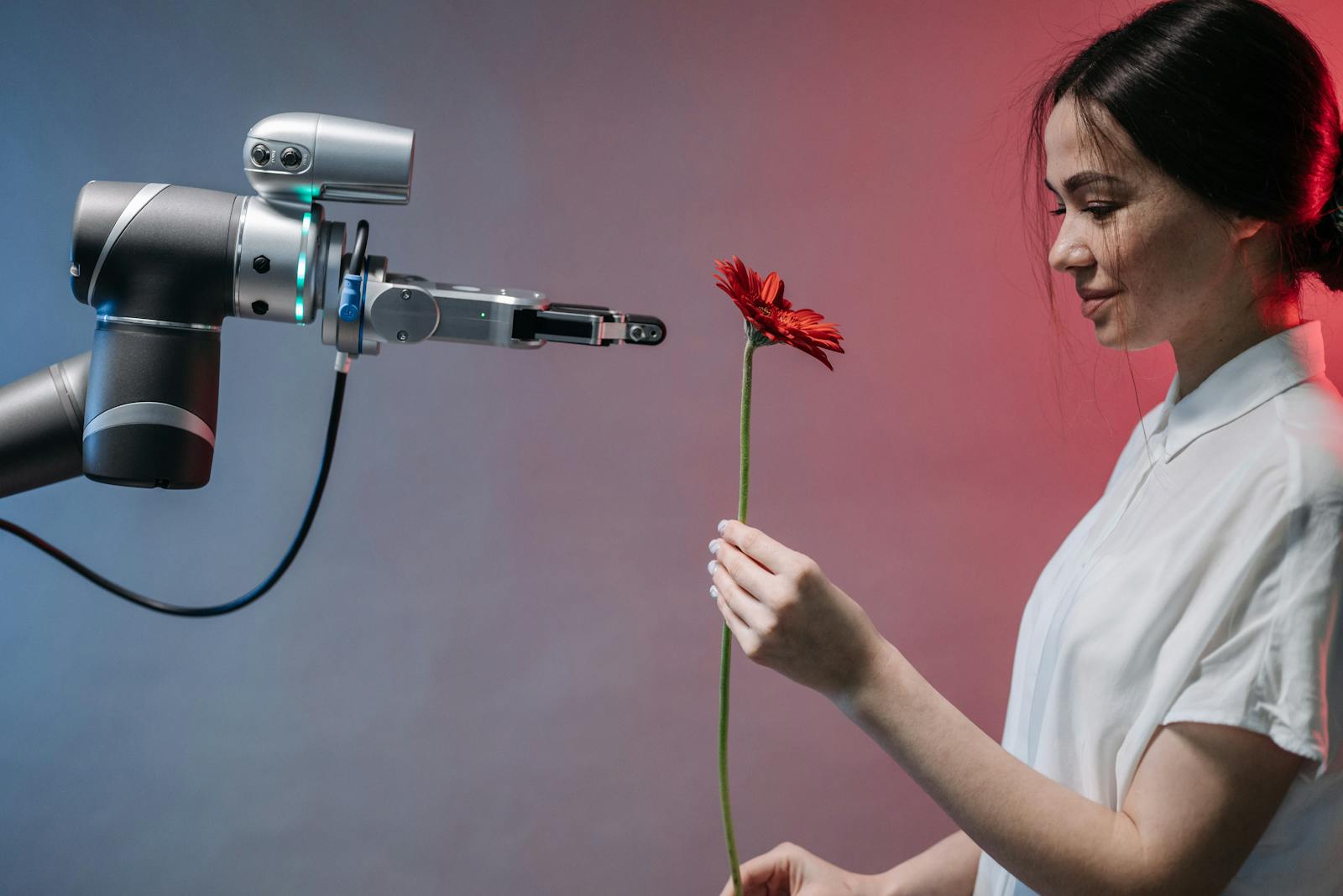
Human-centric means designing technologies that expand people's capabilities instead of replacing them wholesale. Collaborative robots that assist operators in the heaviest or riskiest phases. Interfaces that reduce complexity instead of adding layers of incomprehensible control. Decision support systems that explain their suggestions instead of imposing opaque numbers.
Sustainable means considering environmental impact as a native parameter of industrial design. Not only reducing waste and wasted energy, but rethinking materials, life cycles, logistics. Many European guidelines insist that future competitiveness will come from the ability to produce value without irreversibly eroding resources and context.
Resilient means building systems capable of absorbing shocks. Health crises, geopolitical tensions, component shortages, supply chain disruptions. Industry 5.0 looks to more flexible factories, where reconfiguring lines, changing production mixes, and reorganizing shifts is not a heroic operation but part of normal functioning.
How It Works Among People, Data, and Technologies
In practice, Industry 5.0 takes all the ingredients we have learned to associate with digital transformation and combines them differently.
IoT, advanced robotics, artificial intelligence, cloud, digital twins remain. What changes is how these elements are put to work.
A typical example is the collaboration between workers and robots. No longer separate islands, but collaborative robots that share spaces with people to relieve them of repetitive and dangerous tasks. Sensors are not only used to optimize cycle times but also to monitor ergonomic conditions, postures, and fatigue risks. Technology becomes a tool for
health and safety, not just efficiency.
Data is no longer collected only to feed performance reports, but also to understand how to improve training, organization, and well-being. Analytics and AI platforms can suggest line configurations that reduce unnecessary movements, signal unbalanced workloads, and highlight where skills risk becoming obsolete if not updated.
Another key piece is the theme of personalization. Industry 5.0 envisions factories capable of efficiently producing even
small batches and customized products. Here, the combination of automation and human work becomes strategic. Machines guarantee repeatability and quality, people intervene where flexibility, adaptation, and direct customer contact are needed.
Many of these visions are discussed in international forums dedicated to the future of work and industry, such as some reports from the
World Economic Forum, where the idea of an alliance between artificial intelligence and human intelligence often returns, instead of simple replacement.
Why It Truly Puts People at the Center
The expression "people at the center" risks sounding like an empty slogan if not filled with concrete choices. In the context of Industry 5.0, this translates into a series of questions that become part of the project, not marginal notes.
The first concerns the
meaning of work. If every repetitive and strenuous activity is gradually entrusted to automated systems, people's time can be shifted towards control, coordination, improvement, and relational tasks. This is not an automatic transition. It requires training, reskilling paths, new competencies. But this is where the difference is played out between factories that cut jobs and factories that change roles.
The second is linked to
participation. Designing new technologies without involving those who will use them every day is one of the most frequent mistakes of 4.0 projects. The 5.0 perspective pushes to include from the outset operators, technicians, department heads, unions, and local communities. Not just for formal consent, but because the experience of those who live production is often the viewpoint that avoids unnecessary sophistication.
The third concerns the
ethics of data and algorithmswhat it does to the people who will have to use it and to the world that hosts it.