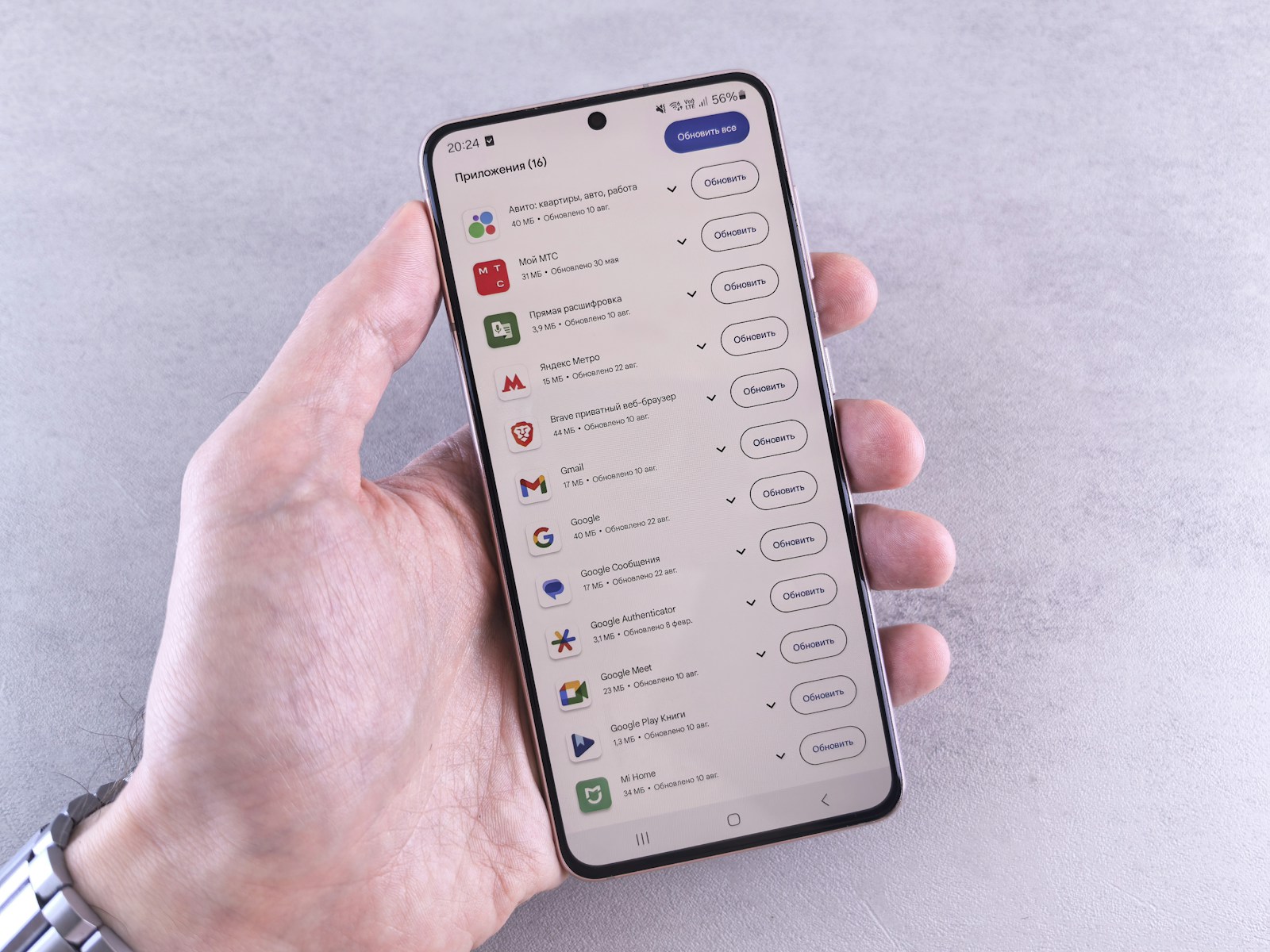
We live in a scenario where our digital life increasingly passes through an app. Banking, messaging, remote work, document signing, managing home devices. Everything is contained within colorful icons on the home screen. While from the user's side, speed and convenience are paramount, from the development side, a theme comes into play that can no longer be considered optional. App Security.
In the
App, Mobile & Smartphone domain, mobile application security has become a discipline in its own right, with dedicated guidelines like the
OWASP Mobile Application Security, detailed on
owasp.org, and with specific sections in the official documents from Apple and Google. It's not just about defending against malware, but about a comprehensive approach that includes code, architecture, data management, and interaction with cloud services.
Understanding what App Security means today involves bringing together technology, process, and culture. It's not enough to add an encryption library at the last minute. It requires designing the app with security as a basic requirement, not as a patch.
What App Security Really Is
App Security refers to the set of
practices, tools, and controls designed to protect mobile applications from attacks, abuse, and data leaks. It doesn't just concern the app installed on the smartphone, but also the APIs it connects to, authentication systems, session management, and how sensitive information is handled.
For a development team, this means evaluating potential threats from the earliest stages of the project. What happens if a malicious user tries to tamper with network traffic. What can someone with physical access to the device do. What kind of damage would the compromise of credentials saved in the app cause.
Operating systems also play an important role. Apple details its defenses in the documentation on
developer.apple.com, while Google does the same for Android on
source.android.com. App sandboxing, granular permissions, data encryption at rest, code controls. All this creates a baseline level of security, but the ultimate responsibility for the app's behavior remains in the hands of its developers.
How It Works Across Code, Data, and Platforms
App Security works on multiple levels simultaneously. The first is the
code. Here, the goal is to avoid classic vulnerabilities that can also affect mobile apps. Injection, insecure input handling, misuse of cryptographic libraries, logs that reveal sensitive information. A significant part of the work involves following secure development guidelines, using static and dynamic analysis tools, and having code reviews with a specific focus on security.
The second level concerns
data. What information is saved locally. Is it encrypted. Does it remain visible in plain text in backups, screenshots, notifications. Are there session tokens that remain valid for too long. On a lost or stolen phone, these details can make the difference between a nuisance and a serious breach.
The third level is
communication with external services. Modern apps almost always talk to remote APIs. Here, App Security means proper HTTPS management, certificate pinning if necessary, robust server-side session control. A common mistake is thinking that controlling the client is enough. In reality, everything that truly matters must be verified by the backend, because the client is under the user's control, even when the user has bad intentions.
Then there's the theme of
protection from reverse engineering. Easily available tools allow analyzing APK packages or iOS apps to understand how they are built, which APIs they use, how they handle security logic. Techniques like code obfuscation, app integrity verification, checks for jailbreak and root are not an absolute guarantee, but they raise the difficulty threshold for those trying to bypass defenses.
At the foundation of everything, there must be a process. A single check before publishing on the stores is not enough. Effective App Security involves regular testing cycles, periodic library updates, dependency reviews, and rapid responses to vulnerabilities reported by researchers or users themselves.
Why It's Essential for Users, Brands, and Business
App Security is not just a technical issue. It's a matter of trust, reputation, and operational continuity. A security incident in a banking app, an e-commerce platform, or a productivity tool doesn't just harm those directly attacked. It erodes brand perception and calls into question the company's ability to protect its customers.
From the user's side, the first consequence is evident.
Exposed data. Usage histories, preferences, addresses, payment methods, attached documents. Many apps collect a quantity of information that users often don't fully perceive. A breach on this front can have impacts that go beyond simply changing a password.
From the business side, App Security is closely linked to
data protection regulations. In Europe, the GDPR imposes clear responsibilities in the management of personal information. A significant breach can lead to investigations, fines, and notification obligations. Ignoring these aspects in mobile apps means bringing a legal risk directly into users' pockets.
There is also a competitive dimension. In markets where user experience is almost taken for granted, security and transparency can make the difference. Clear policies on permissions and tracking, frequent updates, rapid communication in case of problems. All this contributes to building trust in the product more than any slogan.
Finally, App Security has an impact on the
capacity for innovation. An app built on fragile foundations becomes difficult to evolve. Every new feature risks opening a new front of vulnerability. Conversely, a project that integrates security into its development cycle can experiment with greater peace of mind, knowing that guidelines and controls are already in place to catch errors before they end up on the phones of millions of people.
In a world where the distinction between online and offline is increasingly blurred, talking about App Security essentially means talking about the security of daily life. It's not a topic that concerns only those behind the code. Every design choice, from the permission requested from the user to the way notifications and links are displayed, can increase or reduce the space for risky behavior. And it is precisely here that a mature vision of App Security makes the difference between an app that merely functions and an app that truly deserves to be installed.

 Meteora Web Redazione
5 min read
Meteora Web Redazione
5 min read