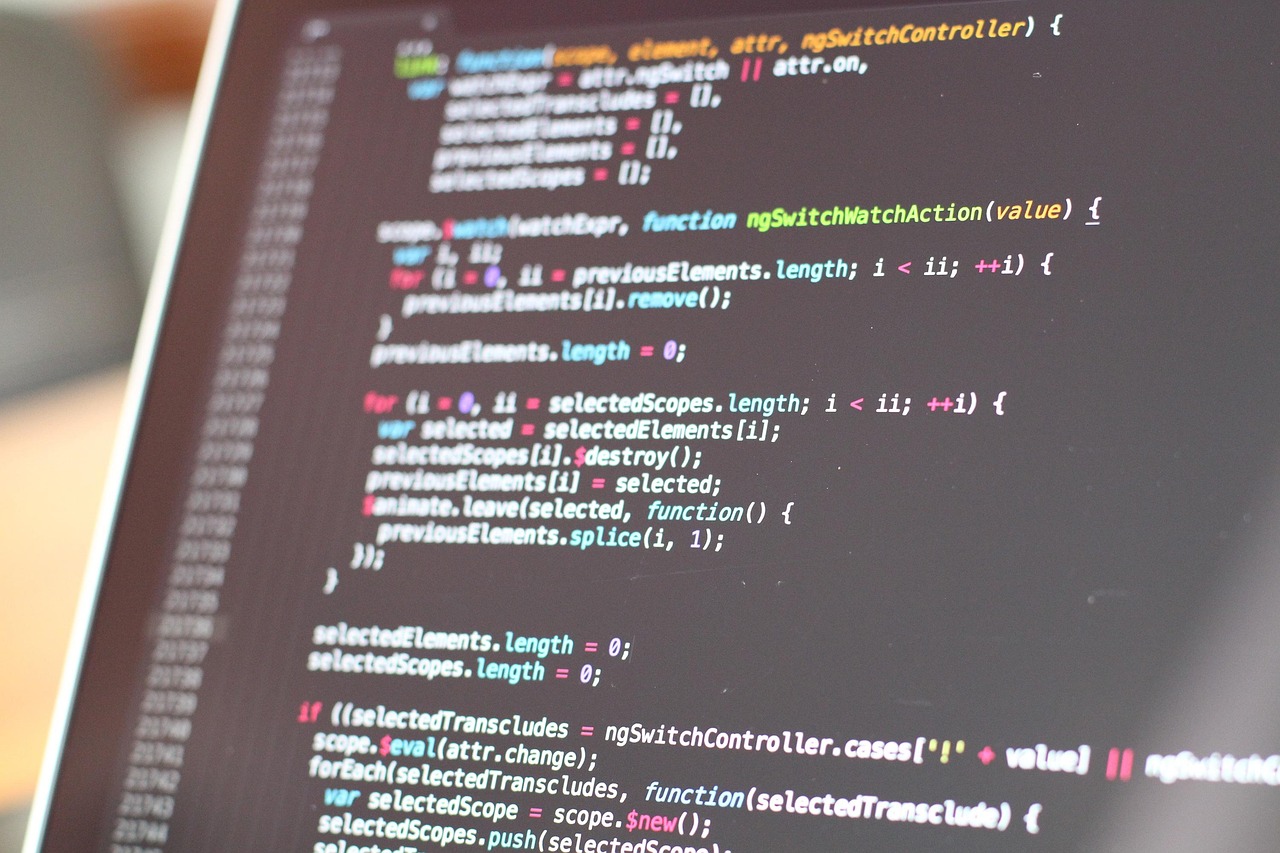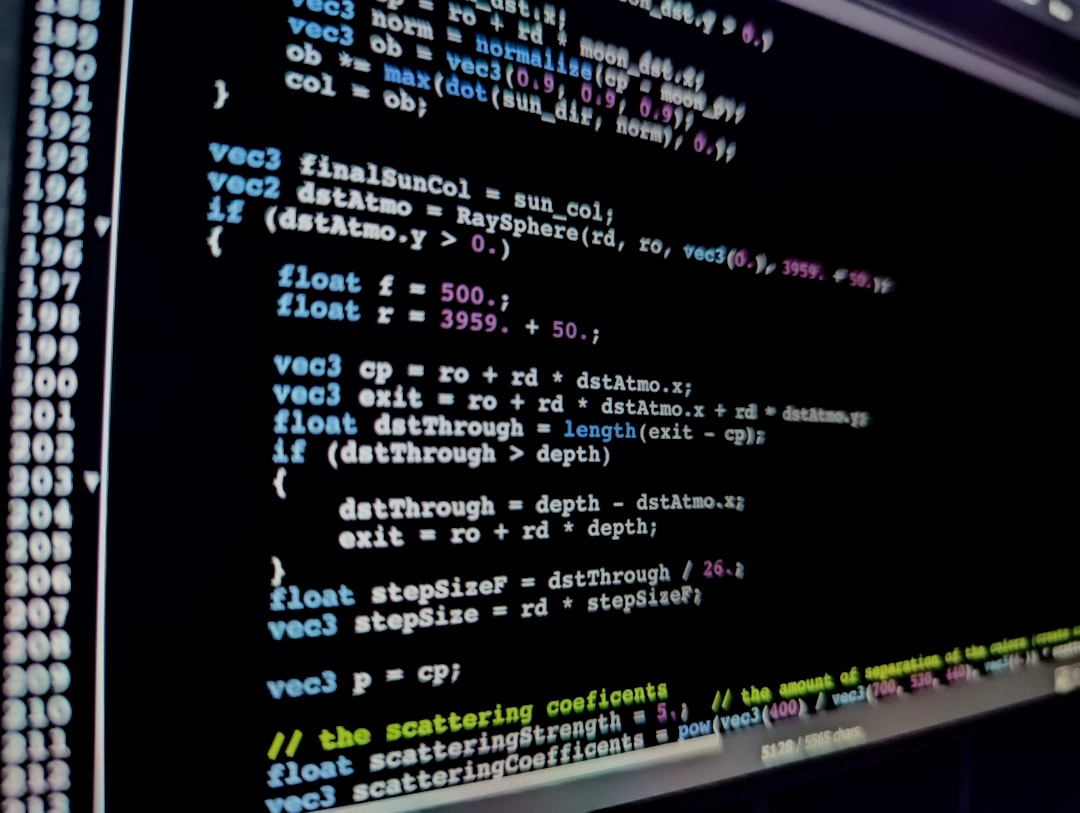
In the vast universe of digital culture, there exists a common thread that has allowed humanity to shape the technological reality we live in. This thread is represented by programming languages, incredibly powerful tools that, over the decades, have undergone a radical transformation, evolving from simple sequences of instructions into complex ecosystems capable of giving life to artificial intelligences and virtual worlds.
A Journey That Began Long Before the Computer
Contrary to what one might think, the idea of a language for giving instructions to a machine was not born with the advent of electronic computers. Already in the 19th century, Ada Lovelace, a mathematician and the daughter of Lord Byron, intuited the potential of Charles Babbage's analytical engine. She wrote what is considered the first algorithm intended to be processed by a machine, laying the conceptual foundations of modern programming. Her vision was prophetic, anticipating the digital revolution by over a century.
The real takeoff of programming languages, however, occurred with the birth of the first computers. In the 1950s and 1960s, languages like FORTRAN (Formula Translation) and COBOL (Common Business-Oriented Language) paved the way for the automation of scientific calculations and business operations. They were languages still very close to machine language, complex and unintuitive for anyone who wasn't a specialist. Their effectiveness, however, was undeniable in driving research and industry forward.
Sponsored Protocol
The Era of Structuring and Abstraction
The 1970s marked an epochal turning point with the introduction of languages like Pascal and, above all, C. The latter, developed by Dennis Ritchie at Bell Labs, proved to be a real game-changer. Its power, flexibility, and ability to interact directly with hardware made it the backbone of countless operating systems, including the famous Unix. Programming began to become more structured, more readable, and more manageable, opening the doors to ever-larger software projects. To delve deeper into the origins of the networks that made all this possible, it is interesting to read Before the Web: The Hidden Interweaving of Networks That Forged the Internet.
Sponsored Protocol
In the 1980s and 1990s, evolution accelerated further. Object-oriented languages like C++ and Java were born, allowing for the creation of more modular, reusable, and maintainable software. The graphical user interface became the norm, and programming shifted towards creating increasingly sophisticated desktop applications. The birth of the Internet then gave an unprecedented boost to languages like HTML, JavaScript, and PHP, which became fundamental for building the World Wide Web.
Artificial Intelligence and the Quantum Future
Today, the landscape of programming languages is incredibly varied. Languages like Python, thanks to its clear syntax and vast library of modules, has become the undisputed king of artificial intelligence, machine learning, and data analysis. It is the tool of choice for researchers and developers to create increasingly complex algorithms and to explore the frontiers of AI, as demonstrated by recent developments in generative AI. The ability of these languages to give life to intelligent systems is one of the most fascinating themes of our time, an evolution that continues at a rapid pace.
Sponsored Protocol
In parallel, new frontiers are emerging. Quantum programming, still in its embryonic stage, promises to revolutionize computing by exploiting the principles of quantum mechanics. Specific languages are emerging to allow developers to interact with future quantum computers, opening up application scenarios unimaginable today, from the discovery of new drugs to solving complex optimization problems.
The evolution of programming languages is a testament to the constant innovation in the field of computer science. Every new language, every new syntax, represents a step forward in our ability to communicate with machines and to harness their potential to solve increasingly complex problems and to create new forms of digital expression. From the first intuitions of Ada Lovelace to the potential of quantum computing, the journey is still long and full of surprises.
Sponsored Protocol
Our publication thinks that...
The evolution of programming languages is not just a story of technology, but a fascinating narrative of human ingenuity. Every language is a key that opens new doors to understanding and manipulating the digital world. Understanding this historical path is fundamental to appreciating the complexity and beauty of the software that permeates every aspect of our lives, and to imagining the incredible possibilities the future holds, especially at the intersection of artificial intelligence and new computational architectures. The democratization of programming, made possible by more accessible languages like Python, is a phenomenon that deserves attention, as it enables an ever-increasing number of people to contribute to innovation.
Source Wikipedia, the journey of programming languages is a continuous path of abstraction and computational power.
Original source: Click here for the source