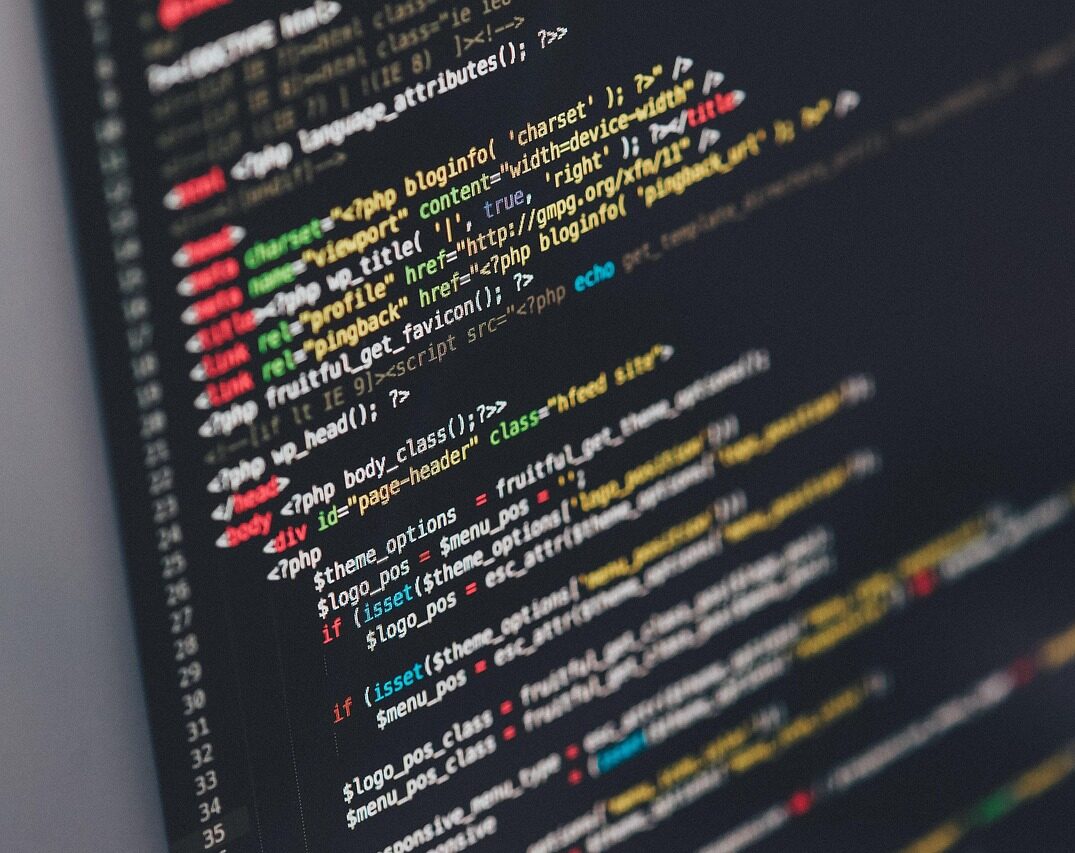
Everything we see in the browser, from minimal landing pages to the most complex web apps, always originates from the same triad:
HTML, CSS, and JavaScript. The frameworks, CMSs, and front-end trends change, but beneath the surface, these three languages are always holding up the entire experience. Understanding them doesn't just mean knowing how to "write pages," but reading the code that governs the modern web.
HTML: The structure that holds everything up
HTML is the most underestimated layer and, at the same time, the one you cannot afford to get wrong. It defines
the structure and meaning of content: headings, paragraphs, images, forms, navigation. An
<h1> is not just larger text, but a precise signal for search engines, screen readers, and analysis tools.
Modern specifications, clearly explained in the documentation of
MDN Web Docs, place great emphasis on semantics. Tags like
<header>,
<nav>,
<main>,
<section>,
<article>, and
<footer> describe the role of blocks, not just their appearance. Good HTML allows crawlers, assistive technologies, and scripts to understand *what* they are reading, not just how it looks visually.
In a well-crafted project, writing HTML is not left to chance or the export of a builder. This is where accessibility, SEO, performance, and maintainability are built. In projects overseen by Meteora Web, HTML is treated as infrastructure, not as a technical detail to fix at the end of the job.
CSS: Visual identity, rhythm, and hierarchy
If HTML says *what* is on the page,
CSS decides *how* that page is perceived. Colors, fonts, spacing, grids, shadows, animations, dark mode: everything goes through style sheets. Neutral markup, with the right CSS, becomes an interface that communicates character and intent.
In recent years, the language has transformed. Flexbox, CSS Grid, custom properties, modern functions, and advanced media queries, documented in depth again on
MDN, have shifted the focus from simply "placing elements" to designing actual
design systems. We no longer write scattered rules, but build typographic scales, spacing systems, and consistent palettes that hold the entire site together.
Good CSS is not just about aesthetics. It directly impacts user experience: readability, dwell time, conversion rate. A UI that breathes, that maintains consistency between mobile and desktop, that guides the eye to the right points, works for the brand as much as a well-made campaign. That's why, in interfaces designed by Meteora Web, style sheets are an integral part of the communication strategy, not just a coat to put over the code.
JavaScript: Logic, interactivity, and applications
The third pillar,
JavaScript, is the layer that brings logic and motion. While HTML and CSS may suffice for a static site, it's JavaScript that transforms those pages into
applications: it intercepts user events, calls APIs, updates the DOM without reloading everything, validates forms, manages complex states, and synchronizes data between client and backend.
What was once a language relegated to small front-end scripts is now the heart of huge ecosystems. From the official documentation on
MDN JavaScript to browser APIs, and frameworks like
React,
Vue, or
Svelte, the entire way of thinking about front-end has shifted towards reusable components, state management, and client-side or server-side rendering as needed.
JavaScript is the language of micro-interactions that make a difference: the form that helps you avoid mistakes, the instant feedback after an action, the transition that makes it clear what is happening. But it's also the language that can sink performance and usability if used without judgment. Too much code, too many bundles, too many dependencies can slow down otherwise simple experiences. The balance between power and lightness is one of the points on which interface designers must be most clear-headed.
How they work together: from layout to web app
The strength of HTML, CSS, and JavaScript lies not only in what they do individually, but in how they intertwine. A good project starts with clear
semantic markup, relies on a CSS layer conceived as a system, and uses JavaScript where it's truly needed, without turning every page into an exercise in unnecessary complexity.
In modern web apps, this interplay is very clear. HTML defines the content and the points where components will be mounted. CSS sets up responsive layouts that adapt the same information to different screens, respecting the visual hierarchy. JavaScript coordinates everything: loads data from the backend, updates portions of the interface, manages client-side routing, integrates external services.
From the outside, it looks like "a site that works well." Inside, if the structure has been thought through rigorously, there is a precise balance between these three layers. This is the kind of balance Meteora Web seeks when designing digital products: making the pillars work, not fighting them with superfluous superstructures.
Why they remain the pillars despite frameworks and low code
In recent years, frameworks, meta-frameworks, page builders, and no-code tools have exploded. They make sense, they shorten timelines, they allow more people to work on the web. But, in the end, everything they produce always translates into HTML, CSS, and JavaScript. Even a React component or a page generated by a visual builder, once it reaches the browser, is nothing more than a combination of the three pillars.
For those who work seriously on design, web, and communication, this has a very simple practical consequence: knowing HTML, CSS, and JavaScript well means being able to consciously choose tools, not be subjected to them. Understanding why a page is too heavy, why a layout breaks, why an interaction pattern confuses the user. And above all, it means being able to build custom solutions when the limits of a theme or framework begin to be felt.
The modern web is not just made of code, but of choices: what to tell, how to make it seen, what interactions to offer to those who browse. HTML, CSS, and JavaScript are still the language in which these choices are translated. Knowing how to speak them well today is a form of competitive advantage.