 Ing. Calogero Bono
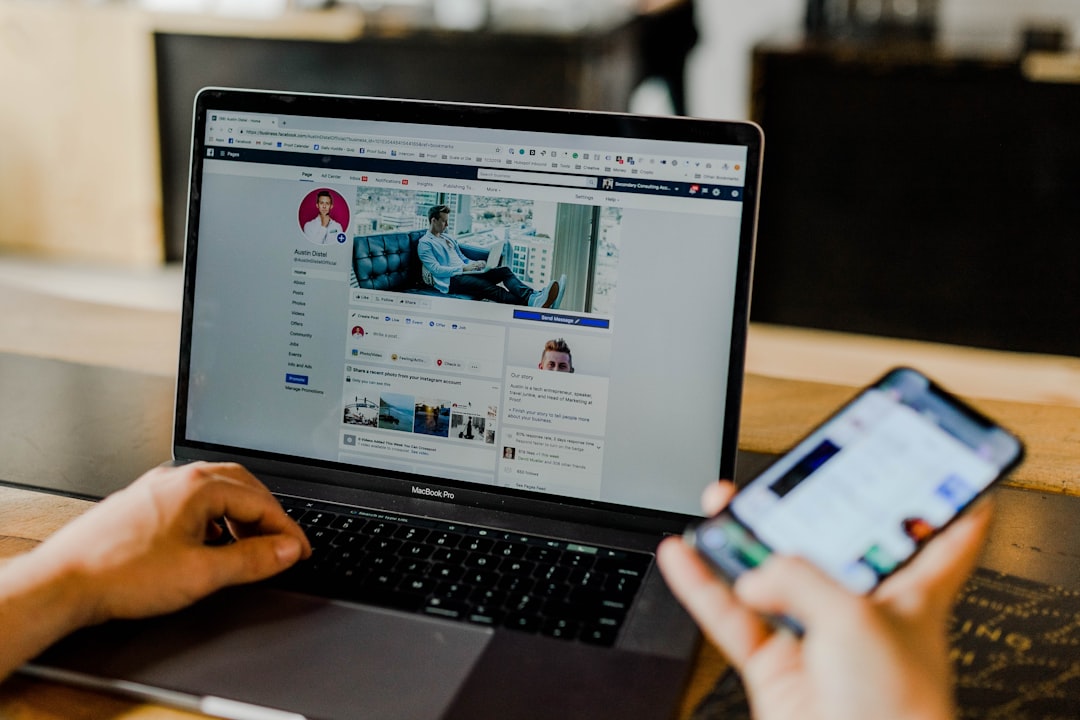
Have you ever wondered why your Facebook page doesn't sell like it did two or three years ago? Likes, comments, organic reach dropping every month. On the other hand, you hear about targeted ads, pixels, rising cost per click. The question is: organic or paid? And in what proportion? We, at Meteora Web, have been working with Italian SMEs for over 8 years. We come from accounting: budgets, double-entry bookkeeping, VAT. That's why we measure every decision in revenue, not vanity. In this guide we explain how Facebook marketing works in 2026, no fluff.
How does organic Facebook work in 2026?
Organic reach for a Facebook page is now a memory for almost everyone. The algorithm favors content from friends and family, and business posts appear only if they spark meaningful conversations or reactions. In 2026, an organic post reaches on average less than 2% of followers. It's not a bug, it's Meta's choice: they want businesses to pay to appear. But organic is not dead. It builds trust, answers comments, shows the human side of the brand. We always recommend maintaining an active organic presence, but without direct sales expectations. Organic is the starting point, not the engine.
Where to invest organic energy?
Facebook Groups, Stories, live videos. Groups are still an exception: if you build an active community around your niche, the algorithm rewards you with visibility. We've seen clients in the clothing industry — we've been managing a retail store's ERP for years — get real engagement in local groups, while the company page stayed silent. Advice: use organic for valuable content (tutorials, behind-the-scenes, case studies) and drive traffic to your page or site. Never ask for a direct purchase in an organic post without a retargeting strategy.
How much does Facebook advertising cost in 2026 compared to organic?
Let's do the math, because we work with numbers. A paid click on Facebook in 2026 can cost between $0.50 and $3 depending on industry and targeting. It seems small, but if your e-commerce loads in 6 seconds, you are paying to lose customers. With a budget of $500 per month, you can get about 200–500 clicks to your site. The question is: how many of those clicks convert into sales? If your site is not optimized, ad spend is burned money. We always start with a question: how much does it cost and how much does it return? Everything else comes after. Organic costs time, not direct money. But the business owner's or social media manager's time has a cost. A fair estimate: 10 hours per month on organic at $30/hour = $300 in resources. So organic is not free—it's a hidden cost.
Practical budget example
One of our clients in local services (plumbers) had zero Facebook presence. We built a paid campaign with $15 per day, tight geographic targeting. In a month they got 12 direct contacts, 8 of which became quotes. Cost per lead was about $37. Without that campaign, organic would have taken months to produce the same result. Advertising is not an expense—it's an investment if measured.
Which one to choose for the Italian market: organic or paid?
It depends on your goal. If you want to sell immediately, paid is the way. If you want to build authority and loyalty, organic makes sense. But in 2026 the best answer is: both, integrated. Organic prepares the ground: educational content, social proof, reviews. Paid accelerates: drives qualified traffic, retargets those who have already interacted, delivers targeted offers. We call it the "dual-lever effect". With a fashion e-commerce client — we know how retail works — we combined organic posts about seasonal outfits with dynamic paid ads. Result: 40% sales increase in three months, with an average ROAS of 4.5x. The key is measurement: pixel installed, events tracked, conversions attributed.
How to integrate both worlds: operational guide
- Install the Facebook Pixel (or Conversions API for server-side). Without data, there is no strategy.
- Create a remarketing audience from those who have already interacted with your organic posts.
- Use product catalog for dynamic ads if you have an e-commerce.
- Publish organic content that answers frequently asked questions from customers.
- Monitor cost per lead in Ads Manager and compare it to your average product margin.
What to do now — Immediate actions
Don't leave this page without deciding your next three concrete steps. Here they are:
- Audit your Facebook page. Check posting frequency, top-performing content, and message response rate. If you haven't posted in weeks, start with 3 posts per week.
- Install the Facebook Pixel or verify it's working. Use the sample code below to check if the pixel is tracking page events.
- Set up a test campaign with a minimum budget ($5–10 per day) for one week, narrow geographic targeting, and measure cost per click and cost per lead.
- Publish a valuable organic post (quick guide, video tutorial) and boost it with a small $20 budget to see the difference in reach.
- Integrate measurement with Google Analytics 4 to understand the full customer journey from click to purchase.
Basic Facebook Pixel code (paste in the of your site)
<script>
!function(f,b,e,v,n,t,s)
{if(f.fbq)return;n=f.fbq=function(){n.callMethod?
n.callMethod.apply(n,arguments):n.queue.push(arguments)};
if(!f._fbq)f._fbq=n;n.push=n;n.loaded=!0;n.version='2.0';
n.queue=[];t=b.createElement(e);t.async=!0;
t.src=v;s=b.getElementsByTagName(e)[0];
s.parentNode.insertBefore(t,s)}(window, document,'script',
'https://connect.facebook.net/en_US/fbevents.js');
fbq('init', 'YOUR_PIXEL_ID');
fbq('track', 'PageView');
</script>
<noscript><img height="1" width="1" style="display:none"
src="https://www.facebook.com/tr?id=YOUR_PIXEL_ID&ev=PageView&noscript=1"/></noscript>
Remember to replace YOUR_PIXEL_ID with the actual ID from Meta Events Manager. To track purchases, use fbq('track', 'Purchase', {value: 29.99, currency: 'USD'});.
We talked about numbers, pixels, cost per lead. But the most important thing is this: a website is not a showcase to admire—it's a tool to sell. If your Facebook marketing isn't generating revenue, change strategy. We, at Meteora Web, do that every day. To dive deeper into how to integrate these techniques with a broader social strategy, read our Social Media Marketing 2026 pillar guide. And if you want to refine your campaigns with A/B testing, check out the article on Email A/B Testing — the principles are universal.