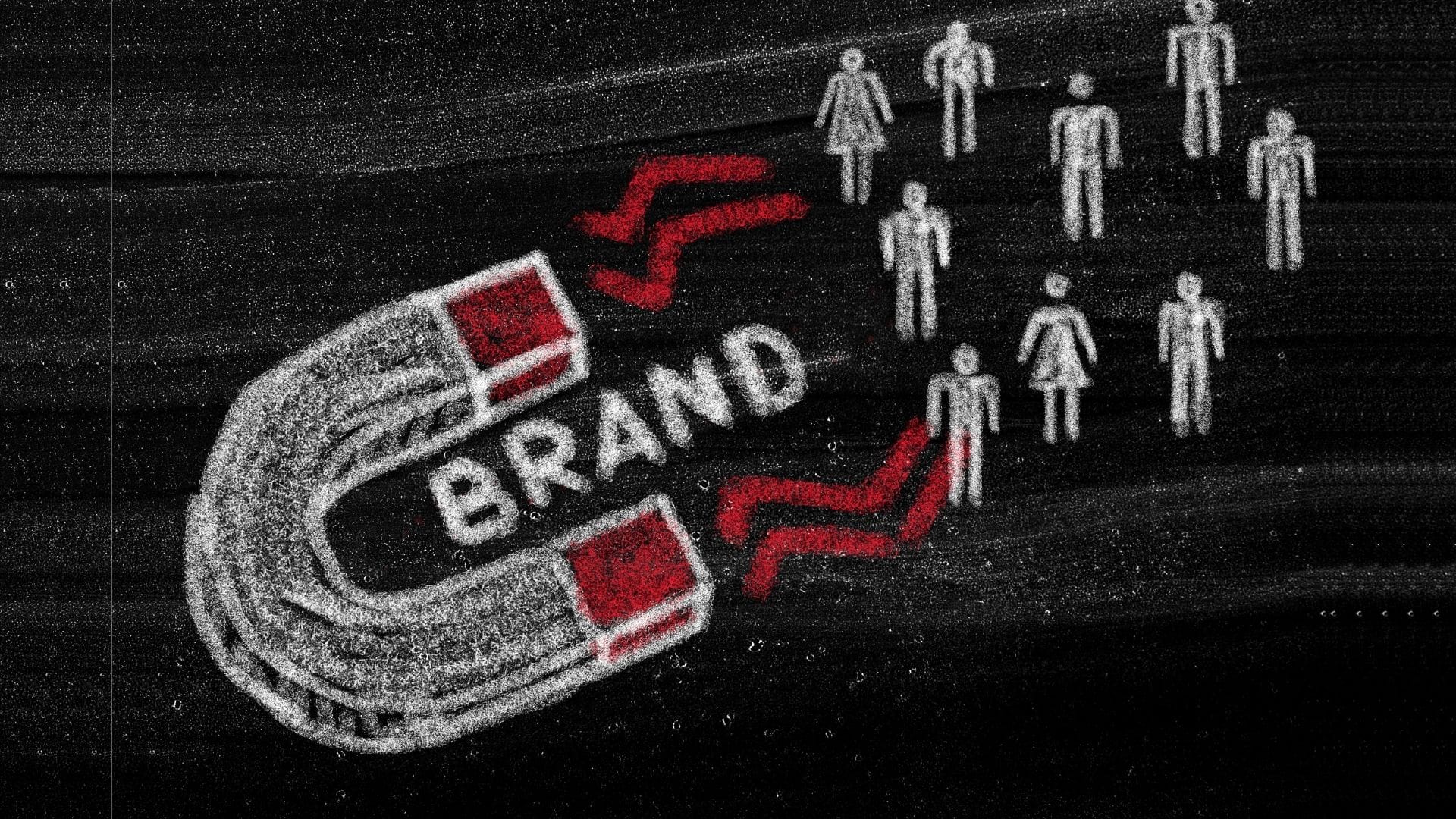
Brand Assets are the distinctive elements that allow a brand to stand out and emerge in the sea of companies that populate the market. When we think of successful brands, it's not just the product that comes to mind, but its image, its personality, that unique connection it establishes with the audience. Every Brand Asset, from the logo to visual communication, down to the tone of voice, is designed to build a strong and recognizable presence. In a competitive landscape, the ability to create and manage these assets is not just a choice, but a necessity to secure a prominent place in the minds of consumers.
Table of Contents
Definition of Brand Assets and their role in corporate identity
A Brand Asset goes beyond the visual and verbal aspect of the brand. It encompasses all those elements that build a company's perception in the long term: from the logo to the experience a customer lives, every detail contributes to creating a distinctive identity. These assets, if managed correctly, become true "witnesses" of the brand, telling a story that resonates with the company's values, mission, and vision.
Sponsored Protocol
It is through these tools that consumers can connect emotionally with the brand and feel it as something familiar, trustworthy, and, above all, unique in its kind. Building solid Brand Assets is not a process that happens overnight, but a long-term strategy that requires consistency, attention to detail, and continuous evolution in tune with market needs.

Why every modern company should invest in building strong Brand Assets
Brand Assets are more than just tools: they are the foundation of a brand that truly wants to be recognized and remembered. To stand out and gain consumer trust, a company must be able to communicate a clear identity, a message that speaks directly to the audience and goes beyond the mere product. Brand Assets do not just promote the brand; they build a relationship, creating an authentic connection with the consumer.
Sponsored Protocol
A brand that succeeds in doing this not only attracts new customers but fosters loyalty, transforming the relationship into a lasting bond. Therefore, investing in the creation and management of Brand Assets is not an option, but a necessity. Companies that focus on these assets, offering a strong and consistent identity, are the ones that will remain in the minds and hearts of consumers.
The Fundamental Elements of Brand Assets
To build a solid and memorable brand identity, there are some fundamental elements that must be carefully curated. These assets, which include logo, slogan, color palette, fonts, and tone of voice, represent the "face" of a brand and must be designed to clearly communicate the company's values and mission.
Logo: The visual representation of your company
The logo is often the first point of contact between the company and the customer. It is the element that visually represents the brand and must be able to immediately convey the essence and personality of the company. A well-designed logo is an element that remains imprinted in consumers' memory, associating it with the brand's values and quality. It is not just a stylized form, but a symbol that communicates trust, competence, and authenticity. Designing an effective logo cannot be left to chance, but must reflect the brand's identity in a clear and distinctive way.
Sponsored Protocol
Slogan and tagline: Communicating values and uniqueness
The slogan or tagline represents the perfect synthesis of what a brand wants to convey. These verbal elements are the words that accompany the logo and quickly and directly communicate the company's core values. They must be memorable, easy to remember, and capable of evoking emotions and desires. It is not just an advertising phrase, but a powerful message that defines the company's character and its unique market proposition.
Color palette and fonts: Creating recognizability through visual consistency
The choice of colors and fonts is another fundamental aspect in building a strong brand. Colors are not merely aesthetic but carry symbolic and psychological meanings that deeply influence public perception. Each color evokes different sensations: blue conveys trust, red energy and passion, green freshness and sustainability. Even the font, although often an underestimated element, contributes to defining the brand's tone, adding an additional layer of personality. Visual consistency, therefore, is not just about aesthetics, but is a form of language that constantly communicates who the brand is.
Tone of voice: Defining the brand's communicative character
The tone of voice is the way a brand expresses itself through words, as well as through its communication style. Defining it correctly means determining how the brand will speak to its customers, both in advertising messages and in daily interactions. Whether formal, friendly, fun, or authoritative, the tone of voice must be consistent with the brand's overall image and must reflect its values. A well-defined tone of voice creates an immediate connection with the audience and makes the brand recognizable, even when communicating through different channels.
Sponsored Protocol

Brand Assets vs Digital Assets: Knowing the Difference
When talking about branding, it is important to distinguish between Brand Assets and Digital Assets. Brand Assets are those related to the brand's visual and verbal identity, such as the logo, slogan, and general communication. Digital Assets, on the other hand, are all the tools related to the online world, such as the website, social media, digital images, and online content. Both are fundamental to a company's success, but they operate in different ways. While Brand Assets are essential for building and maintaining a strong and consistent identity, Digital Assets serve to convey this identity through digital channels, allowing the brand to reach and interact with the audience immediately and globally.
Creating and Managing Effective Brand Assets
Creating effective Brand Assets is not a task that can be improvised. Behind every element of a brand, whether it's a logo, slogan, or tone of voice, there is a well-defined strategy. It is a process that starts with a clear definition of corporate values and a deep understanding of the market and target audience. Every decision, from color choice to content creation, must be guided by a precise objective: building an authentic connection with the consumer.
Sponsored Protocol
The first step in this process is audience analysis. Knowing the needs, desires, and expectations of your target allows you to create a brand that truly resonates with people. Subsequently, it is essential to create a visual and verbal identity that not only reflects the company's values but stands out in the market, offering something new, unique, and recognizable.
Once the Brand Assets are defined, it is important to maintain and manage them consistently. This means that every point of contact with the public, whether online or offline, must follow the established guidelines. Consistency is what strengthens the brand's identity and allows for building a stable and solid perception over time. Companies that do not take care of this consistency risk appearing confused or unprofessional, losing trust and credibility in the eyes of consumers.