Artificial intelligence has never been more pervasive, nor more controversial. While companies like Ferrari and IBM harness large language models to craft hyper-personalized fan experiences, the AI market is shaken by drastic price cuts and citizens revolt against data centers in their backyards. Adding to the complexity, the misuse of voice cloning tools raises unprecedented ethical questions. Here is how these four events, emerging in the same week, are reshaping the future of technology.
The Prancing Horse Meets AI. A New Level of Fandom
Scuderia Ferrari HP has partnered with IBM to leverage its Watson AI system to create a radically new fan experience. By analyzing real-time car data, telemetry, and past interactions, the AI generates personalized content, custom highlights, and even voice interactions with virtual drivers. The goal is to transform a casual viewer into a superfan by offering a unique narrative for each Grand Prix. This approach closely mirrors the work of startups like Peec, which we explored in depth in this article, where AI is used to track brand perception in search results. The difference lies in the emotional intensity of the Ferrari universe, where AI becomes an amplifier of passion. As experts explain on Wikipedia's artificial intelligence page, recommendation systems based on neural networks have reached a level of precision that allows anticipating a fan's desires before they even express them.
Sponsored Protocol
DeepSeek Slashes Prices by 75%. The AI Cost War
On the economic front, Chinese startup DeepSeek has announced a permanent 75% price reduction on its flagship V4 model. This move aims to steal market share from rivals like OpenAI and Anthropic, making generative AI incredibly affordable. What are the implications? On one hand, democratized access benefits startups and independent developers; on the other, a price war could lead to a race to the bottom in quality, with models trained on ever-poorer data. Moreover, computational costs remain high, and cutting prices means either optimizing efficiency or sacrificing margins. It is no coincidence that Anthropic recently revealed Mythos AI, a system capable of finding over ten thousand software vulnerabilities, proving that competition is not only about price but also about model security.
Sponsored Protocol
The NIMBY Phenomenon and AI Data Centers
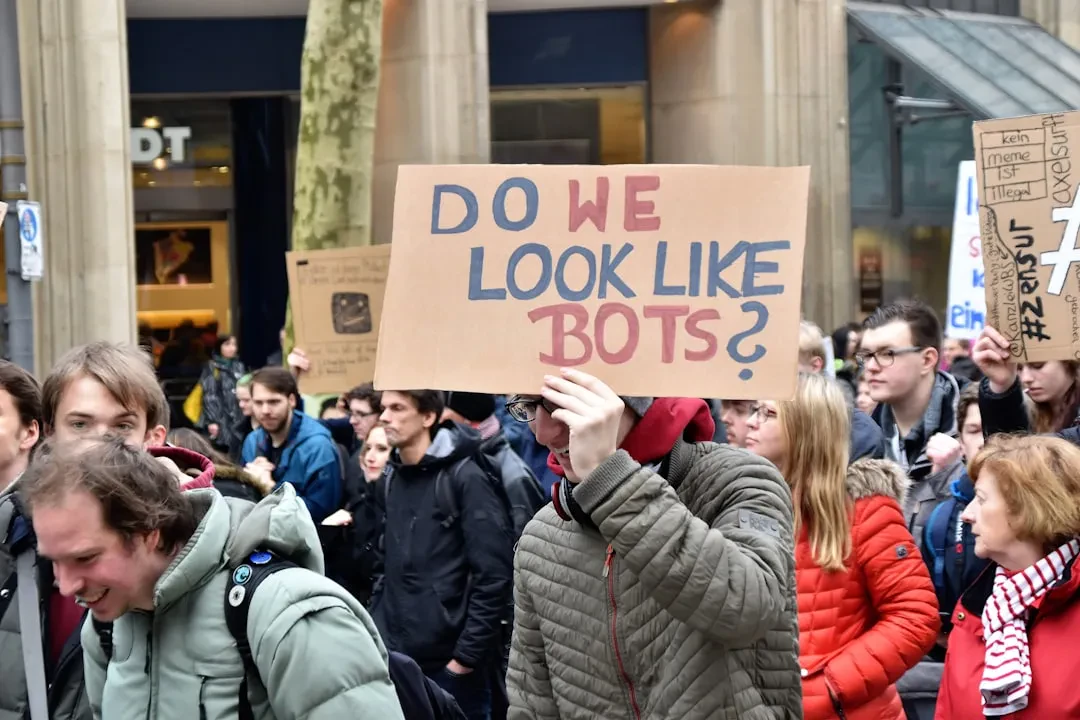
As the industry pushes for mass adoption, American citizens show growing hostility toward the construction of AI data centers. A recent survey reveals that a majority of respondents do not want these facilities near their homes, fearing noise, energy consumption, and environmental impact. The NIMBY (Not In My Backyard) phenomenon is becoming a concrete brake on the infrastructure expansion needed to sustain AI growth. In this context, Elon Musk's statements about abandoning terrestrial solar power in favor of natural gas and SpaceX's dream of orbital data centers take on special significance. We covered this in a dedicated article, highlighting how the space solution could bypass land conflicts, but at still high costs and risks.
Sponsored Protocol
Cloning the Voices of Dead Pilots. An Extreme Ethical Case
The darker side of AI emerges in the recreation of the voices of pilots who died in a plane crash. Using a PDF investigative report, some individuals employed generative AI tools to simulate the last seconds of the pilots' conversation, producing disturbing audio clips potentially harmful to families. This incident underscores the urgency of regulating voice cloning. Audio deepfake technology has reached a level of realism that makes it nearly impossible to distinguish a real voice from a synthetic one. The implications go far beyond sensationalism: they pave the way for scams, disinformation, and violation of the deceased's memory. The tech industry now faces the need to implement digital watermarks and stricter consent mechanisms.
Sponsored Protocol
In summary, artificial intelligence proves to be both an accelerator of progress and a multiplier of risks. While Ferrari and IBM show how AI can enrich human experiences, DeepSeek reminds us that affordability is an open challenge, the NIMBY revolt forces a rethink of infrastructure, and voice cloning warns against unethical use. 2026 will be the year society, companies, and governments must find a sustainable balance.