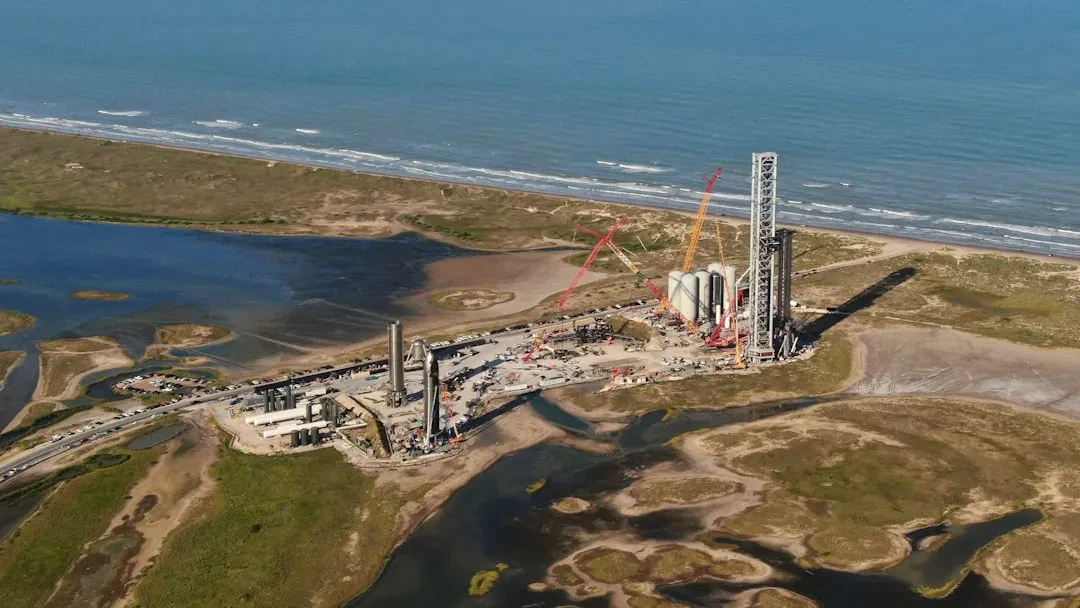
This week the space sector witnessed two historic events that are set to reshape the balance between private industry and public institutions. On one side SpaceX achieved most of its objectives during the first test flight of the Starship V3, the largest and most powerful vehicle ever built. On the other side NASA officially opened bids for the management of the Jet Propulsion Laboratory, the renowned research center that has operated under contract with Caltech for decades.
SpaceX Triumph and Implications for Exploration
The Starship V3 test flight marked a crucial milestone for Elon Musk's interplanetary ambitions. Despite some inevitable technical glitches, company engineers confirmed the achievement of key goals such as stage separation, Raptor engine ignition during reentry, and demonstration of payload capabilities. This success comes after months of delays and preparations, echoing the challenges analyzed in our coverage of the new space race. The V3 version introduces significant improvements in propulsion power and thermal structure, essential elements for future missions to Mars and for the orbital data centers that SpaceX dreams of building in Earth orbit.
Sponsored Protocol
The test outcome solidifies SpaceX's position in the heavy launch market, paving the way for an acceleration of the Artemis program and potential military contracts. Competition with Blue Origin and new international players is intensifying, but Musk's technological dominance appears set to continue. Industry media, as reported by Engadget, highlighted how the flight exceeded initial expectations, opening the door to a more aggressive testing campaign in the coming months.
NASA's Turning Point: End of an Era for JPL
On the other front NASA announced the opening of bids for the operation of the Jet Propulsion Laboratory, a move that marks the end of a nearly seven-decade relationship with the California Institute of Technology. The current contract with Caltech expires in 2028 and the space agency decided to put the center's management out for tender to evaluate new operational and financial proposals. JPL is a jewel of planetary research, responsible for iconic missions such as the Voyager probes, Mars rovers, and the Nancy Grace Roman space telescope.
Sponsored Protocol
The decision to open bids has been met with surprise and concern from the scientific community. Many fear that a management change could disrupt ongoing projects and the ability to attract top talent. NASA has reassured that preserving the center's scientific heritage and technical know-how remains the priority. According to official agency sources, as cited by Engadget, the tender will be conducted with strict criteria to ensure JPL continues to operate at the highest level. The news fits into a broader context of reorganization of US space activities, which also sees the rise of private companies like SpaceX and Blue Origin.
Sponsored Protocol
A Look at the Future of the Space Economy
These two events, seemingly separate, are actually connected by a common thread: the transition of the space sector toward a hybrid model where public and private entities interact ever more closely. On one hand the success of Starship V3 shows that private innovation can overcome bureaucratic constraints; on the other hand the JPL bid demonstrates that even the most prestigious institutions cannot ignore economic and political pressures. As the 2028 deadline approaches, tech companies and universities worldwide are preparing their proposals, while SpaceX already looks beyond toward that orbital future that seems increasingly within reach.