For years, Elon Musk championed solar energy, promising a solar-electric economy through Tesla and SolarCity. Today, that terrestrial vision appears abandoned. According to an in-depth analysis by TechCrunch, the founder of SpaceX and xAI has radically shifted gears, betting on natural gas to power artificial intelligence data centers and on orbital infrastructure for space computing. This paradigm shift raises enormous questions about the future of renewables and the strategic consistency of one of the most influential entrepreneurs on the planet.
The Sunset of the Earthly Solar Dream
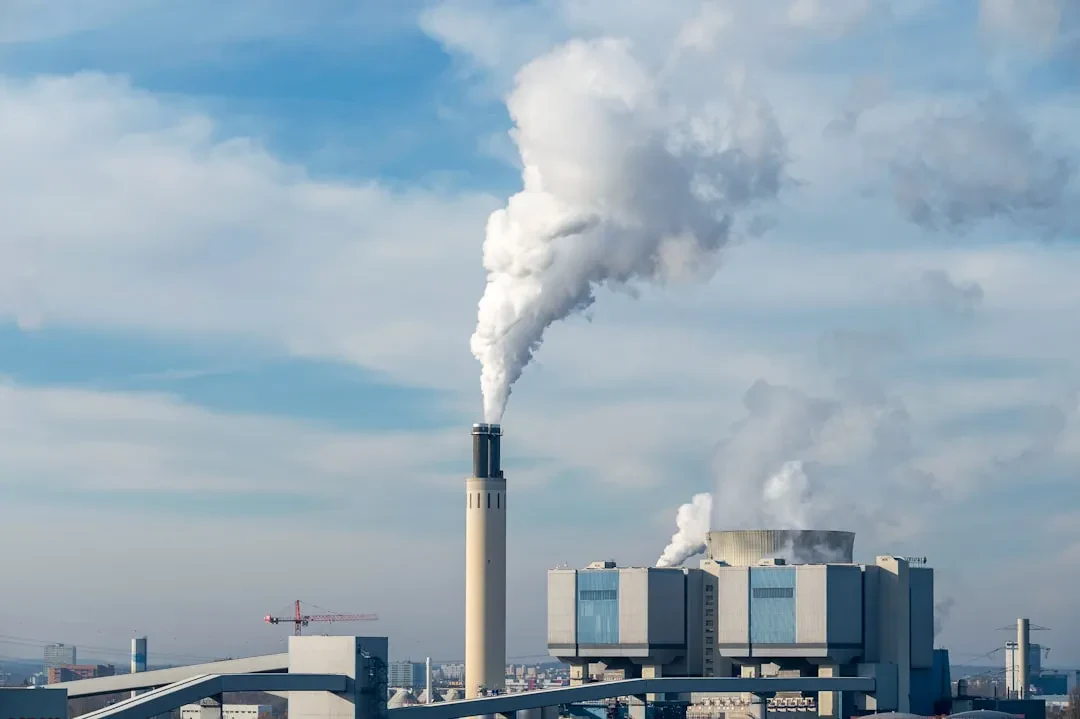
The energy transition Musk once envisioned was a world powered by photovoltaics, with Tesla batteries storing energy for sunless nights. Instead, his AI company xAI has signed billion-dollar deals with natural gas companies to build dedicated power plants for training AI models. The immense energy consumption of GPUs required to train models like Grok has made solar too intermittent and costly on an industrial scale. Natural gas, cheaper and available 24/7, has become the pragmatic choice to keep the AI race competitive. This move has sparked heated debate among environmentalists and investors: some accuse Musk of hypocrisy, while others acknowledge that without fossil fuels, American AI could not keep pace with China.
Sponsored Protocol
SpaceX and Orbital Data Centers
In parallel, SpaceX has begun developing the first data centers in low Earth orbit. The idea is to harness unlimited space-based solar energy to process massive amounts of data without the regulatory and climatic constraints of Earth. Orbital data centers could reduce latency for critical applications such as global finance and remote sensing, but they pose monstrous technical challenges for cooling and maintenance. Instead of bringing solar power to Earth, Musk appears to be taking computation off the planet, abandoning distributed clean electricity generation in favor of centralized space infrastructure. Many analysts call this fascinating but risky, given that launch costs remain high despite Starship progress.
Sponsored Protocol
Implications for Energy-Tech Strategy
This dual move is an implicit admission that terrestrial renewables cannot yet sustain the exponential growth of AI energy consumption. The topic is also red-hot in regulatory circles: while the Trump administration recently blocked an executive order on AI safety, the private sector races toward fossil-fuel-based solutions. Startup Peec, which is revolutionizing AI search monitoring, has shown how the AI ecosystem is attracting massive capital but also scrutiny over environmental and social impacts. The real question is whether orbital data centers can offset the retreat from terrestrial solar, or whether Musk is simply chasing the most profitable short-term path. For more on natural gas in the modern economy, see the relevant Wikipedia page.
Sponsored Protocol
The future of energy for AI now plays out on two opposing fronts: dirty but reliable natural gas versus infinite but expensive space. Musk's bet is that humanity can leapfrog directly to a space civilization, leaving Earth behind. In the meantime, rooftop solar panels seem like a distant memory.