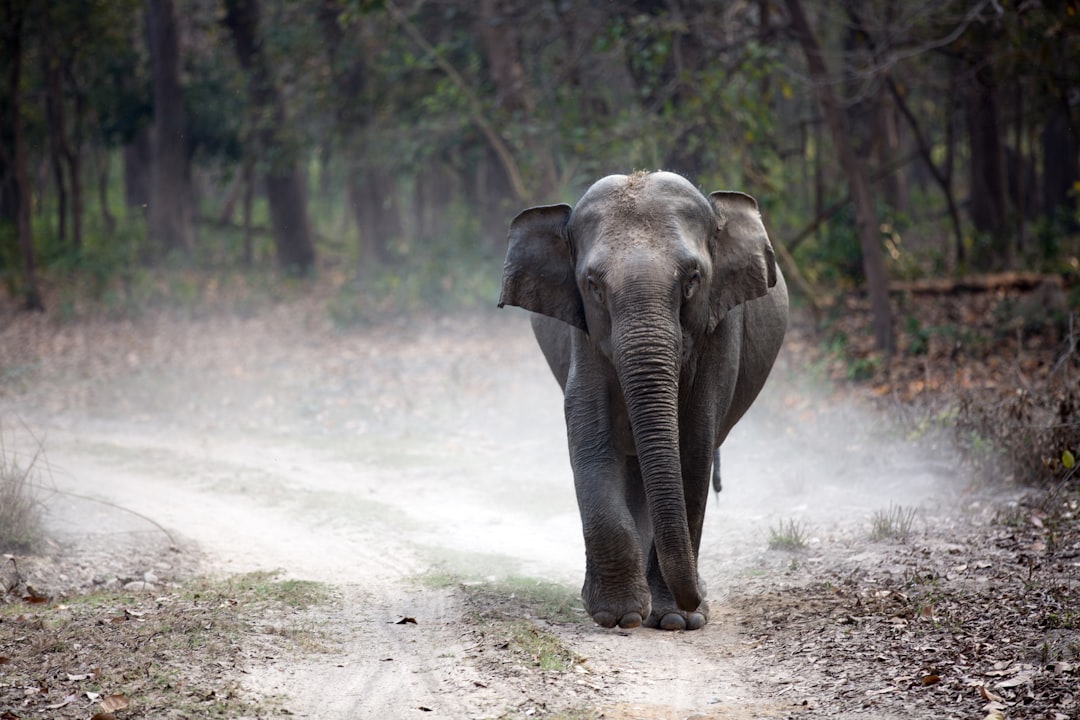
India is home to about 60% of the world's wild Asian elephants, and around 80% of their habitat lies outside protected areas. That brings them into close contact with people, and clashes can turn lethal: there have been some 3,000 human casualties in the last five years and over 1,000 elephant deaths since 2014. In response, state forest departments, NGOs, and locals are designing, testing, and deploying a range of AI systems that cut response and warning times to minutes—or even seconds.
AI shortens reaction time from hours to seconds
These technologies range from wildlife eyes in Maharashtra to infrared drones in Chhattisgarh. They use machine learning algorithms to detect elephants near villages and send instant alerts to authorities and residents. The goal is to prevent deadly encounters, giving people time to seek safety or deter the animals with non-lethal methods. Speed is critical: a warning hours in advance can mean the difference between peaceful coexistence and tragedy.
Sponsored Protocol
Interactive maps show system distribution
A key aspect of this initiative is transparency: many solutions are mapped interactively, allowing researchers and citizens to see where they are deployed and what results they achieve. This data sharing helps scale successful technologies and improve those still being tested. However, the extensive use of sensors and drones also raises questions about privacy and data security, similar to other tech fields like online searches, where Google recently warned that search data could be hacked due to new EU rules.
Technical and logistical implementation challenges
Despite progress, large-scale implementation faces obstacles: unreliable internet connectivity in rural areas, high costs of drones and thermal cameras, and the need for trained personnel. Moreover, elephants are intelligent and may habituate to alerts, requiring continuous algorithm updates. Nevertheless, early results are promising, and several NGOs are collaborating with authorities to expand coverage.
Sponsored Protocol
A replicable model for other at-risk regions
The success of these systems in India could serve as a model for other Asian and African countries where human-wildlife conflicts are frequent. Integrating AI, drones, and low-cost sensors offers a scalable solution, provided ethical and practical issues are addressed. For more on Asian elephant biology and conservation, see Wikipedia.
In conclusion, while technology cannot eliminate all risk, it is proving capable of significantly reducing harm, offering concrete hope for safer coexistence between humans and these gentle giants.