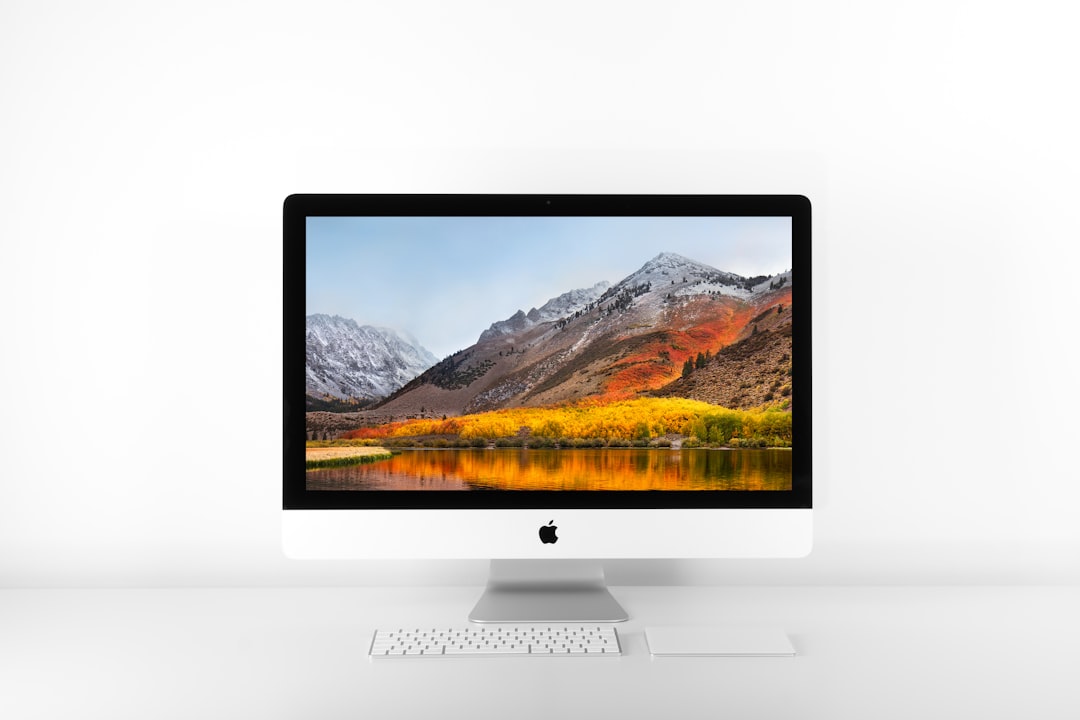
Apple is preparing to bring OLED technology to its entire product line, and according to a new TrendForce report, the company is targeting a significant improvement in color quality. Future MacBook Pro, iPad Pro, and iMac OLED models could achieve 95% coverage of the BT.2020 color gamut, a much more demanding standard than the current DCI-P3. This development represents a generational leap for Apple displays, already known for their accuracy.
OLED transition and new color frontiers
Rumors about an OLED MacBook Pro have circulated for years, but they have become more concrete in recent months. If confirmed, these machines would join iPhone, iPad Pro, Apple Watch, and Apple Vision Pro in using OLED, making the technology ubiquitous across Apple products. The new TrendForce report, released yesterday, reveals the technical details Apple is requesting from suppliers.
Sponsored Protocol
The BT.2020 gamut imposes much stricter requirements for color purity, spectral control, luminous efficiency, and power consumption. To reach 95% coverage, manufacturers must develop advanced organic materials. Among the technologies cited in the report are multi-resonant thermally activated delayed fluorescence (MR-TADF), which produces narrow-band emission for improved purity, and hyperfluorescence, which uses a TADF sensitizer to boost efficiency. Also mentioned is phosphorescence-assisted thermally activated sensitizing fluorescence (pTSF), which extends the operational lifetime of panels under high brightness.
Sponsored Protocol
Impact on display supply chain and suppliers
The new specifications are pushing manufacturers to rethink their supply chains. Samsung Display is developing both advanced OLED material systems and electroluminescent quantum-dot technology, while Chinese panel makers are adopting new emissive architectures and increasing their use of domestically developed materials. For Apple, this could broaden the range of suppliers capable of meeting its standards. TrendForce notes that future competition will shift from improving efficiency and lifetime toward developing sustainable material platforms that balance cost, manufacturability, and intellectual property risks.
Sponsored Protocol
Meanwhile, Apple continues to invest in its chip roadmap. A recent leak of the Apple Silicon roadmap revealed plans for M5 and M6 chips, which will likely power these future OLED devices. Additionally, global investments in chip manufacturing, such as South Korea's $518 billion commitment, could ensure the availability of semiconductors needed to drive high-resolution displays.
For more technical details, the full TrendForce report is available online. The Wikipedia page on BT.2020 standard provides an excellent foundation for understanding color specifications.