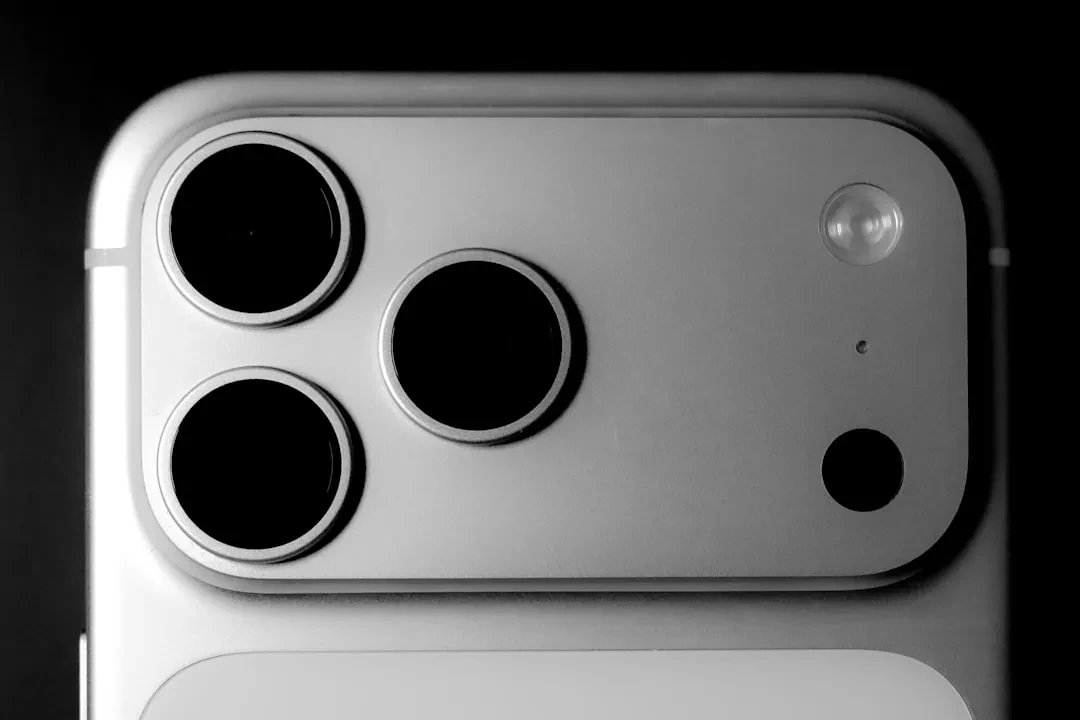
A new chapter in the US-China tech war features Apple and Micron Technology facing off before the Trump administration over the future of memory chip supply. According to a Wall Street Journal report, Micron is pressuring the White House to block Apple's push to use memory chips from Chinese suppliers, specifically Yangtze Memory Technologies (YMTC). The issue touches on national security and economic competitiveness, with implications for the entire tech industry.
Micron Accuses Apple of Boosting Chinese Competitors
Micron, the American memory chip giant, argues that sourcing from YMTC would violate US sanctions and trade restrictions designed to limit China's access to advanced technology. The company fears such a move could strengthen a direct competitor on Chinese soil, undermine Micron's market position, and risk exposing the US supply chain to espionage. Apple, on the other hand, aims to diversify its supply sources to reduce dependence on vendors like Samsung and SK Hynix, and to lower production costs for devices such as iPhones and Macs.
Sponsored Protocol
The Trump Administration's Role in the Trade Dispute
The meeting with President Trump marks a critical juncture. On one hand, Trump has historically taken a hard line against China, imposing tariffs and sanctions to protect American industry. On the other, Apple is a giant with enormous economic and political clout, and CEO Tim Cook has often sought to mediate to avoid escalation. The decision could ripple beyond the two companies, affecting diplomatic relations between Washington and Beijing. In a similar vein, EU fines on US tech giants have already heightened tensions, as detailed in the article Trump Threatens Retaliation Against EU Over Fines on Apple and US Tech Giants.
Sponsored Protocol
Implications for Apple's Device Supply Chain
If Apple obtains approval, Chinese memory chips could enter upcoming iPhones and Macs, with estimated cost savings of 10 to 20 percent compared to current suppliers. However, geopolitical risks are high. Micron has launched a lobbying campaign to sway lawmakers, emphasizing that allowing YMTC access would indirectly fund China's military industry. The legal and political battle is expected to be protracted, with possible decisions emerging in the coming months. For further context on chip performance in devices, see the analysis on Galaxy Z Fold 8 Ultra silicon-carbon battery and 3000-nit display, which highlights how component innovation drives the market.
Sponsored Protocol
This episode exemplifies how the chip war is reshaping global alliances. Industry experts say Trump's decision will be closely watched not only by Apple and Micron but by all tech companies straddling the US-China divide. Sources close to the matter report that the White House is divided between the national security adviser's hardline stance and Wall Street's economic pressures. For a broader perspective, consult the BBC News report on trade tensions.
Source: https://9to5mac.com/2026/07/24/report-apple-and-micron-clash-before-trump-over-chinese-memory-chips