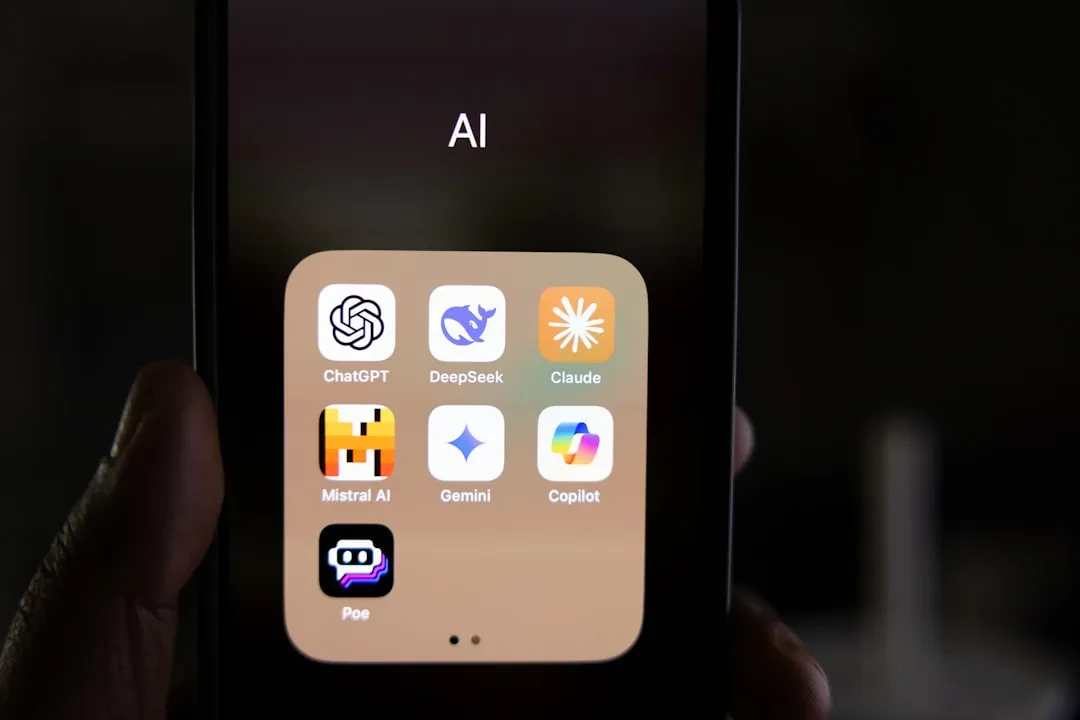
2026 marks a turning point in the integration of hardware and artificial intelligence, with Apple Intelligence promising to redefine the user experience on Mac and iPhone. This is not a mere evolution, but a genuine silent revolution permeating every aspect of the operating system, enhancing Siri's capabilities and introducing unprecedented features.
Enhanced Siri and Contextual Functionality
The new frontier for Apple's virtual assistant sees Siri becoming incredibly smarter and more contextual. Thanks to deep integration with Apple Intelligence, Siri will be able to understand more complex and natural requests, anticipating user needs. Imagine being able to ask to find a specific document sent by a friend via email or message, and Siri will not only locate it but will be able to present it in the appropriate context, perhaps attaching it to a new reply. This ability to proactively navigate and interact with information on the device represents a huge qualitative leap.
Sponsored Protocol
Privacy First
One of the biggest concerns regarding AI advancement has always been privacy. Apple appears to have tackled this challenge head-on. A significant portion of the processing related to Apple Intelligence will occur directly on the device, thanks to the powerful Neural Engine chips integrated into the new Macs and iPhones. For more complex operations requiring superior processing power, Private Cloud Compute technology will be utilized. This system ensures that data is not stored on Apple servers and that only the necessary permissions are used to complete the request, guaranteeing an unprecedented level of security and privacy. This approach is crucial in an era where personal data management is increasingly critical, a theme that also resonates in contexts of digital innovation debates such as the one concerning Sony's PlayStation Store disputes.
Sponsored Protocol
Deep Integration into the Apple Ecosystem
Beyond enhancing Siri, Apple Intelligence will manifest in various features that enrich the daily use of devices. Assisted writing, summarization of long texts, image generation, and notification customization are just a few examples. The goal is to make every interaction smoother and more efficient. For instance, the ability to summarize a lengthy conversation in a messaging app or generate custom images for a creative project will transform how we work and communicate. The impact of these innovations also extends to content creation, a continuously evolving field where AI is opening new frontiers.
The Future of Computers and Mobile Devices
The introduction of Apple Intelligence on Macs and iPhones in 2026 is not an isolated event but part of a broader trend where artificial intelligence is becoming a fundamental component of computing. From advancements in medical diagnosis powered by AI, as demonstrated by Harvard studies, to the integration of these technologies into consumer products like potential future AirPods, AI is reshaping industries and lives. Even in the world of gaming and entertainment, new technological frontiers constantly emerge, as shown by LEGO's AI-enhanced nostalgic relaunch of the Sega Genesis. The automotive sector, on the other hand, sees companies like Uber transforming their vehicles into sensor networks for autonomous driving, leveraging AI for future mobility. These developments underscore that AI is no longer a niche technology but a transformative force redefining our relationship with technology.
Sponsored Protocol