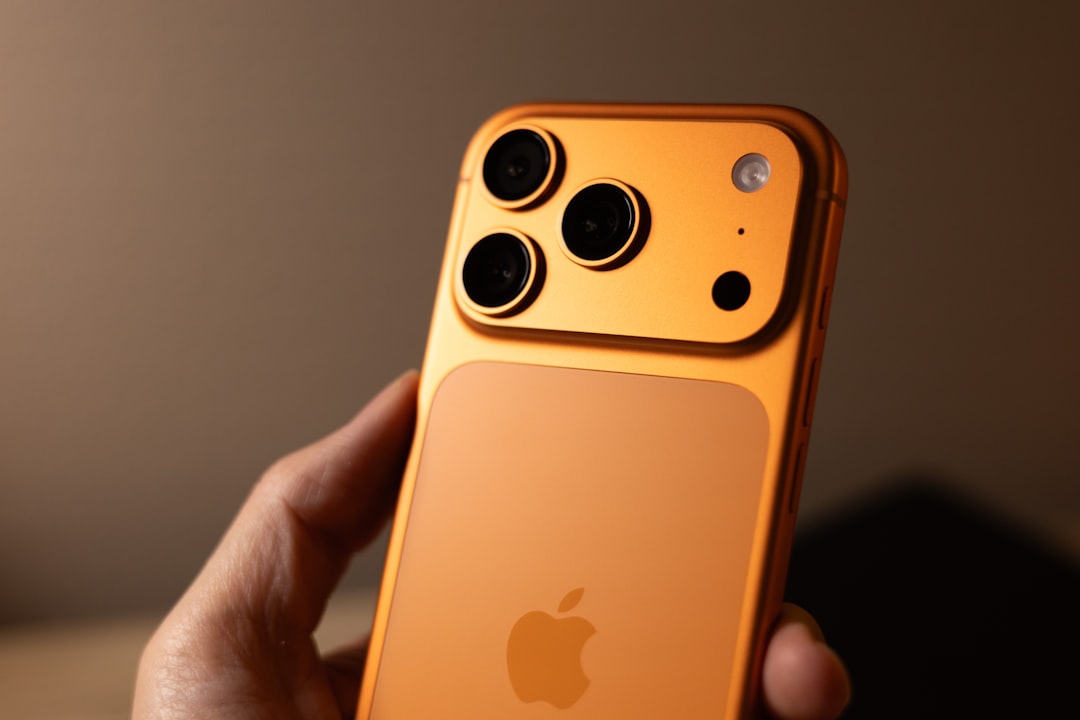
The latest rumors suggest that Apple is planning a groundbreaking change for its voice assistant Siri. According to reports, Cupertino is considering the possibility of allowing third-party chatbots to integrate directly with Siri, opening the doors to a vaster and more powerful artificial intelligence ecosystem within iOS. This move, if confirmed, would represent a significant step for Tim Cook's company, traditionally reluctant to delegate core functionalities to external services.
The Evolution of Siri and AI Integration
Siri, since its launch, has represented Apple's attempt to bring voice assistance into users' daily lives. However, over the years, Apple's assistant has often been criticized for its lesser flexibility and capabilities compared to some AI-based alternatives, such as those offered by Google or Amazon. The possibility of integrating external chatbots could solve many of these limitations, allowing Siri to access much more sophisticated conversation capabilities, natural language understanding, and response generation.
Sponsored Protocol
Imagine a future where, when asking Siri something, you could choose whether to get a response based on the assistant's native capabilities or to rely on an advanced language model like those developed by OpenAI or Google, leveraging the potential of Gemini AI or similar technologies. This would open up unprecedented scenarios for human-machine interaction, making the voice assistant an even more versatile and indispensable tool.
Implications for the Apple Ecosystem and the Market
Opening Siri to external chatbots could have profound implications for the entire Apple ecosystem. On one hand, it could stimulate greater innovation within the company, pushing developers to create new applications and services optimized for integration with the voice assistant. On the other hand, it could represent a challenge for business models based on proprietary artificial intelligence. Competition, however, is often an engine of progress, as demonstrated by the history of technological development, from the first computers to the AI era.
Sponsored Protocol
This strategy partly resembles the approach adopted by other platforms, such as Meta with Threads or other social networks that seek to expand their functionalities through integrations. Apple's goal would be to keep users within its own ecosystem, offering them the best possible experience thanks to the flexibility guaranteed by integration with the most advanced AI models available on the market. Consider also how artificial intelligence is revolutionizing sectors like translation, with tools like Google Translate powered by Gemini AI, or content creation, as in the case of Crimson Desert which had to face issues related to AI-generated art.
Challenges and Opportunities for the Future of iOS
Challenges are not lacking. User data security and privacy will be crucial aspects to manage. Apple will have to ensure that integration with external chatbots happens securely, protecting users' sensitive information. Furthermore, it will need to define clear standards for developers who wish to integrate their own AI models with Siri. Managing such an open ecosystem will require careful planning and a robust control system, similar to how app management works on App Store Connect.
Sponsored Protocol
Despite the potential difficulties, the opportunities are immense. A smarter and more versatile Siri could further strengthen Apple's position in the voice assistant and artificial intelligence market. It could also lead to new innovative features, such as a more proactive and personalized assistant, capable of anticipating user needs. The road to artificial general intelligence (AGI), announced by figures like Jensen Huang of Nvidia, also passes through the integration of increasingly advanced technologies into everyday devices.
Sponsored Protocol
Our publication thinks that...
This potential opening by Apple to third-party chatbots for Siri marks a crucial moment. Although the traditional closed nature of the Apple ecosystem has often guaranteed a high standard of security and integration, the evolution of artificial intelligence requires flexibility. Allowing integration with external models could not only bridge the performance gap that some perceive compared to competitors but could also stimulate an unprecedented wave of innovation, transforming Siri from a simple voice assistant into a true intelligent hub for digital interaction. The real challenge for Apple will be balancing this openness with its renowned focus on privacy and security, a balance that, if achieved, could redefine the future of personal assistants.
Source: Original