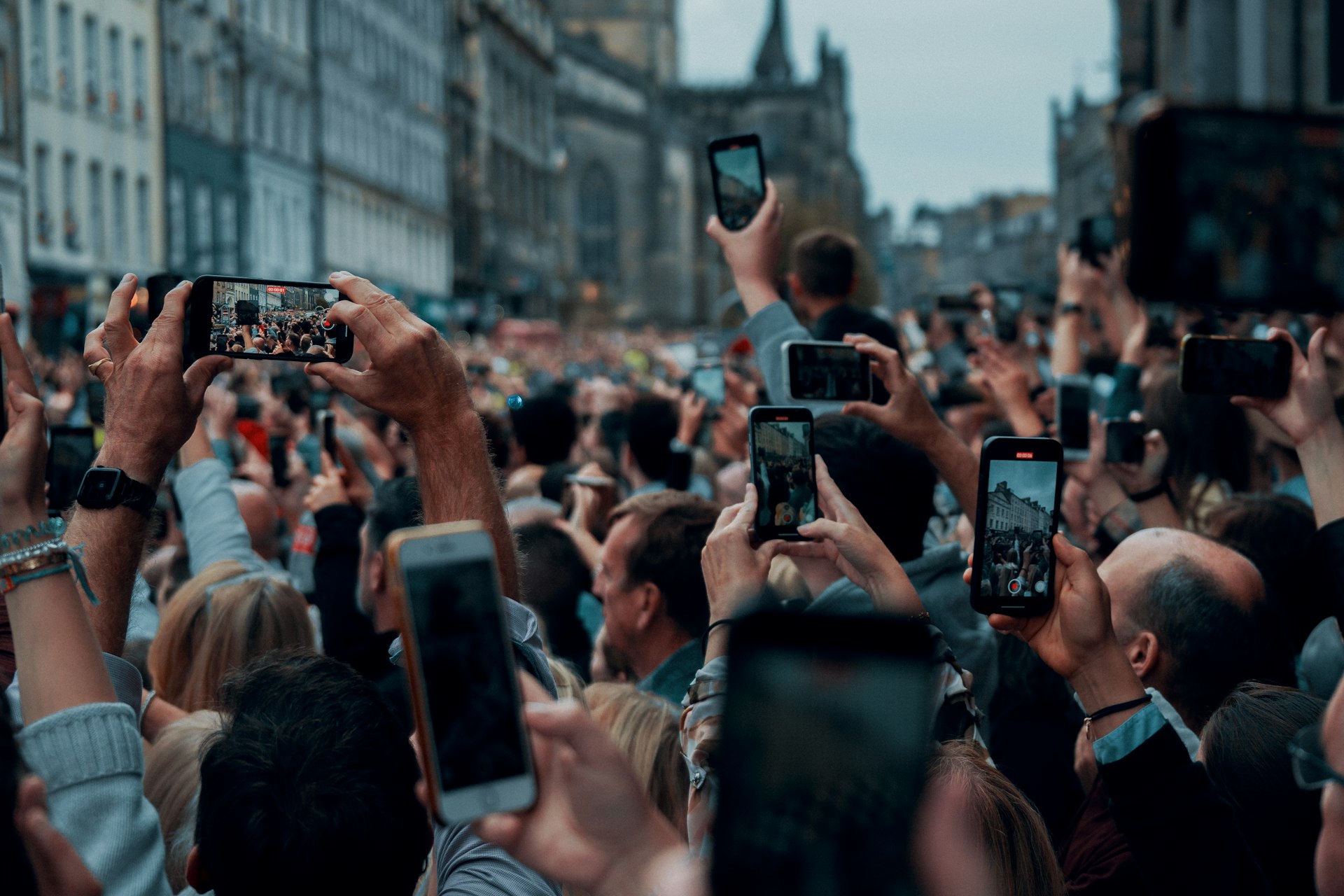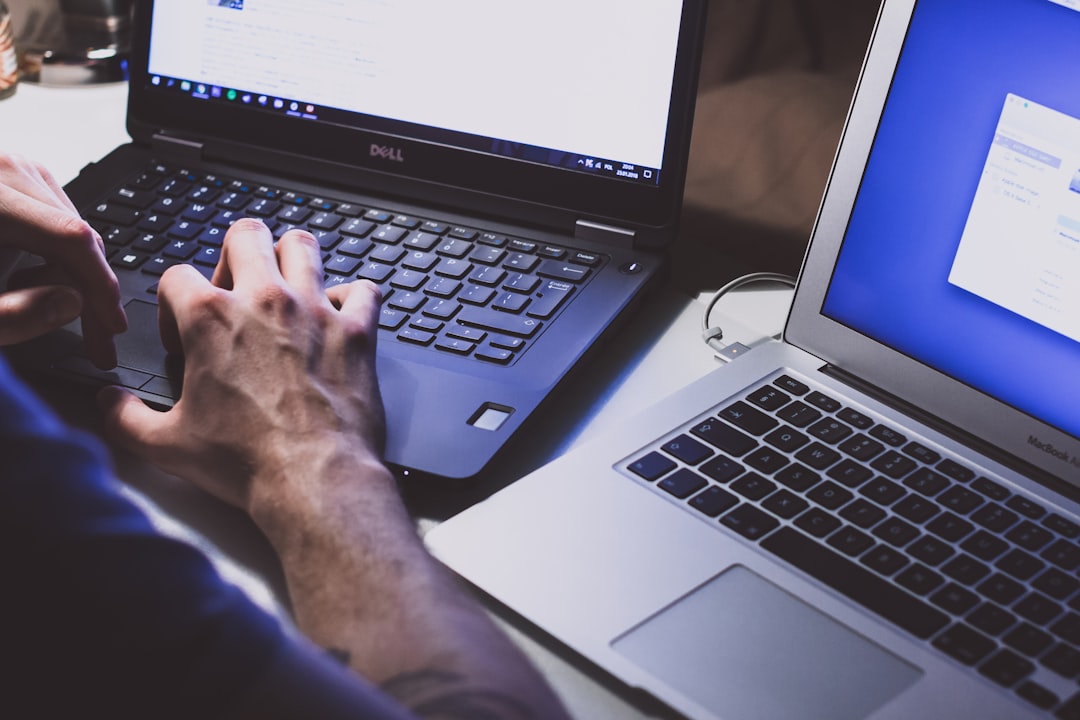
The US Supreme Court has issued a landmark ruling restricting the use of geofence warrants by law enforcement, a decision that could reshape digital privacy rights across the nation. In a 6-3 vote, the Court held that individuals have a reasonable expectation of privacy in their cell phone location data. Justice Elena Kagan wrote that geofence warrants violate the Fourth Amendment's prohibition against unreasonable searches. Going forward, police must obtain a traditional search warrant based on probable cause to compel tech companies to hand over geolocation data.
The Virginia robbery that sparked the legal challenge
The case originated from a bank robbery in Virginia, where a man stole $195,000. Detectives hit a dead end until they obtained a geofence warrant to request Google location data of phones near the bank during the hour before and after the crime. Google initially pushed back, providing only three profiles out of nineteen identified as nearby. One of those three matched Okello Chatrie, who later confessed. Chatrie's attorneys argued in filings that geofence warrants allow the government to "search first and develop suspicions later," violating the presumption of innocence.
Sponsored Protocol
Mass privacy implications of geofence searches
The defense argued that the geofence warrant forced Google to sift through data from millions of users, many of whom had no connection to the crime. In effect, these individuals were searched without having done anything suspicious. The Court agreed, recognizing that indiscriminate collection of location data infringes on privacy. The government had argued that location data is not constitutionally protected because users "choose" to share it by failing to disable system-wide geolocation services and background app tracking. The Court rejected this, stating that waiver of privacy cannot be inferred from mere technical settings.
Sponsored Protocol
Impact on future investigations and past cases
The ruling applies immediately to future geofence warrants, which now must meet the strict requirements of the Fourth Amendment. It is unclear whether it will affect past cases that relied on such evidence. According to sources, Chatrie's sentence is not expected to change, but the decision opens the door for other appeals. Limiting geofence warrants represents a significant step forward for digital privacy in an era where location data is increasingly accessible. For more on digital privacy, read about WhatsApp username reservations for privacy and Google Meet's Gemini note-taking expansion. For legal context, see the Wikipedia article on the Fourth Amendment.
Source: https://www.engadget.com/2204298/the-us-supreme-court-restricts-use-of-geofence-warrants