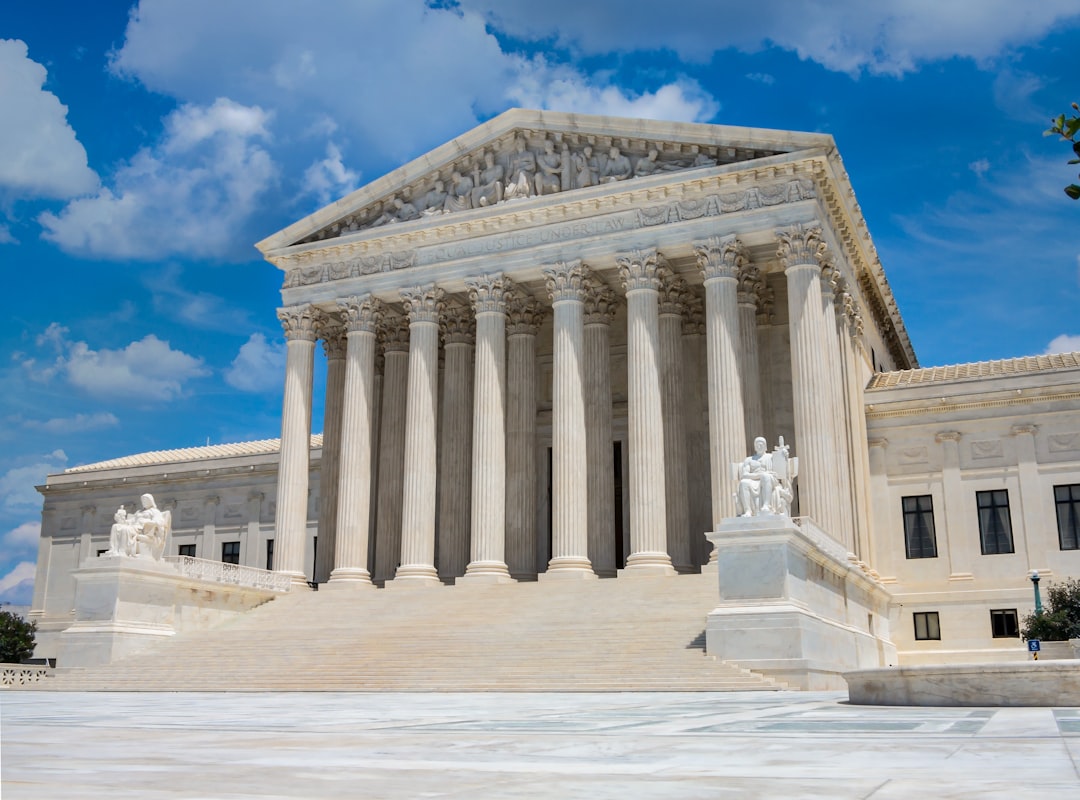
The U.S. Supreme Court delivered a landmark ruling on Monday limiting law enforcement's use of geofence warrants. In a 6-3 decision, the Court held that individuals have a reasonable expectation of privacy in their cell phone location data. This means authorities must obtain a search warrant based on probable cause before demanding location history from tech giants like Google. The decision marks a significant shift in digital privacy law and curtails a practice that critics called a "reverse search warrant."
Chatrie vs United States sets new precedent for digital privacy
The case originated from Chatrie vs United States, where Okello Chatrie, accused of bank robbery, argued that evidence obtained via a geofence warrant was unconstitutional. The Supreme Court agreed, ruling that the Fourth Amendment protects against unreasonable searches of cell phone location data. Geofence warrants allowed police to draw a digital perimeter and force companies to reveal all devices within that area at a given time. This swept up data from innocent bystanders, prompting privacy advocates to call the practice unconstitutional. The Court stopped short of an outright ban but required warrants with probable cause.
Sponsored Protocol
Fourth Amendment shields location data from bulk collection
Chief Justice Roberts, writing for the majority, stated that using a smartphone does not constitute voluntary disclosure of location data to third parties. Therefore, the third-party doctrine does not apply. Authorities now need a specific link between the suspect and the crime. The ruling does not invalidate past geofence warrants obtained in good faith, but future requests face stricter scrutiny. For a deeper analysis, read our related coverage on the Supreme Court's privacy ruling.
Sponsored Protocol
Tech companies adjust storage practices after the ruling
Google had already begun storing location data on-device to avoid handing it over. Other firms like Microsoft, Uber, and Yahoo also receive geofence warrants regularly. The decision pressures all companies to adopt stronger privacy safeguards. Legal experts note that the Court left open the question of whether existing warrants are valid, sending that back to lower courts. This ruling may influence international privacy standards. For more background, see the Wikipedia entry on the Fourth Amendment.