The artificial intelligence industry is having a direct and visible impact on consumer electronics prices. Price hikes are happening across the board, and after months of resistance, Apple has finally succumbed. The Cupertino company announced significant increases on Mac, iPad, and other products, excluding only iPhone, AirPods, and Apple Watch for now. The main driver is the soaring demand for memory and storage fueled by the AI boom, leading to a full-blown component crisis.
Memory and storage shortage hits consumer electronics
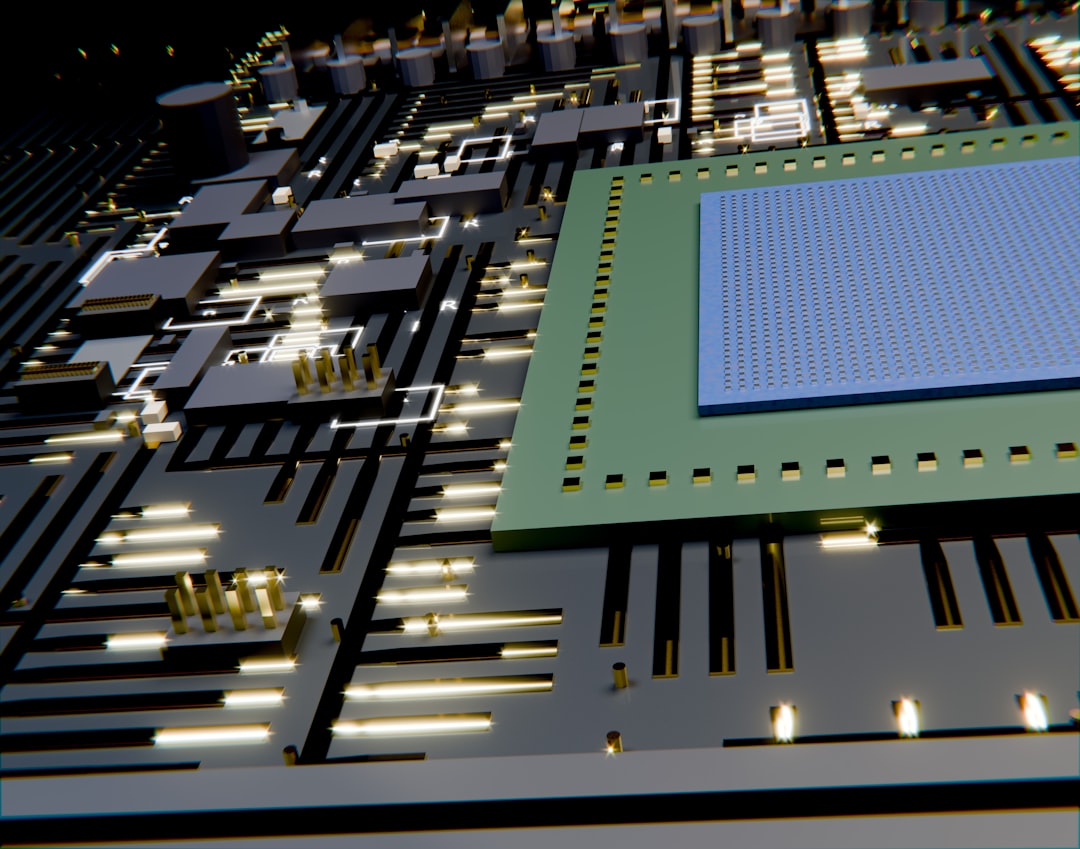
According to recent analyses, memory and storage prices have increased by more than 2.5 times and are expected to double again by fall 2027. This surge is directly linked to the AI race: data centers, model training, and deployment require massive amounts of DRAM and NAND chips. Microsoft has already raised Xbox prices, while Samsung and Lenovo did the same months ago. Apple was the lone holdout but has now aligned, with increases reaching hundreds of dollars on MacBook Pro and iPad Pro. In fact, Micron has suggested that Apple's aggressive price negotiations worsened the crisis.
Sponsored Protocol
Apple follows the trend after months of resistance
The California-based company applied price hikes across almost its entire lineup, marking a turning point. Until recently, Apple was seen as a bulwark against rising prices, but component cost pressure became unsustainable. The increases are not minor: hundreds of dollars more for high-end models. This move, combined with Microsoft's, leaves Google as the only major player yet to raise Pixel prices, but that seems increasingly imminent. The AI component crisis will spare no one.
Sponsored Protocol
The role of AI in driving up device costs
The paradox is clear: the same companies pushing AI are both suffering from and causing the price hikes. Google, for example, is embedding AI into all its products, but the memory shortage caused by data center chip demand will affect the Pixel 11 price. AI requires resources, and those resources are scarce, driving up costs for everyone. As Microsoft stated, the entire consumer electronics industry is struggling. Consumers are paying the price for a relentless technological race.
Sponsored Protocol
What to expect in the coming months
The outlook is not bright. Upcoming devices like the Samsung Galaxy Z Fold 8, Pixel 11, and iPhone 18 will likely see substantial price increases, regardless of actual improvements. Component demand will continue to grow, driven by AI. For more on future iPhones, the iPhone 18 and 18e will feature 9GB RAM, but overall smartphone costs could rise. The only way out would be increased supply, but new fabrication plants take years to ramp up. Meanwhile, consumer electronics will keep getting more expensive, and AI is the engine behind it all. For a broader perspective, see the Wikipedia page on the AI industry.