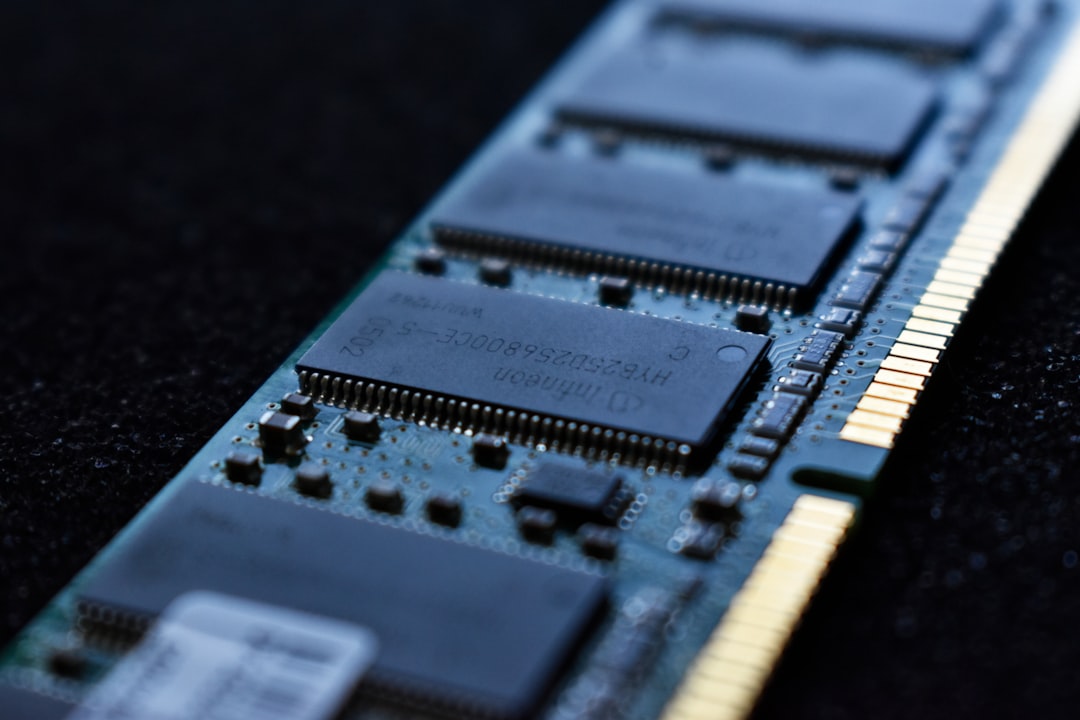
Micron's chief business officer, Sumit Sadana, has hinted that Apple's tough supplier negotiations contributed to the conditions behind the global memory shortage. In remarks to The Wall Street Journal, Sadana explained that Micron could not fund capacity expansion during the previous industry slump when margins turned negative partly because some buyers pushed relentlessly for lower prices. “We told a couple of the customers who were being very aggressive with pricing at that time that this is not constructive,” Sadana said. “A lot of the industry investments got shut down in 2023 because of really poor pricing and really poor margins.”
Apple at the Center of the Memory Price Storm
Micron is one of Apple's memory suppliers, providing DRAM and NAND flash chips for iPhones, Macs, and iPads. Apple is known for securing favorable terms through long-term contracts. Sadana's comments came just hours after Apple announced sweeping price hikes across its hardware lineup: Mac, iPad, Apple TV, HomePod, and Vision Pro all increased in price, while iPhone, Apple Watch, and AirPods were left untouched. Apple's stock closed down 6% the same day, its worst single-day performance in over a year, wiping out roughly $265 billion in market value.
Sponsored Protocol
Tim Cook Forewarned of Price Increases
Apple CEO Tim Cook had warned about this outcome more than a week earlier, telling the same publication that price increases had become unavoidable due to rising memory and storage costs. Cook said Apple tried to shield customers but reached a breaking point, describing the shortage as a “hundred-year flood” unlike anything in his four-decade career. He pointed to surging demand for high-bandwidth memory used in AI servers, arguing that consumer products now compete for a shrinking supply pool. Cook stated that pricing needs to come back to earth before Apple can lower its own prices. Other manufacturers like Xiaomi are also facing component cost increases, highlighting the widespread nature of the crisis. For more background on the global semiconductor shortage, see the Wikipedia article.
Sponsored Protocol
Ripple Effects Across the Tech Industry
The memory crisis extends well beyond Apple, affecting PCs, smartphones, and data centers. Micron's statements reveal a vicious cycle where price pressure from large buyers squeezed supplier margins, reducing investments in new capacity. Now that demand is surging, supply cannot keep up, driving prices higher. Analysts expect the situation to persist at least until 2027, impacting corporate earnings and consumer prices alike.
Source: https://www.macrumors.com/2026/06/26/micron-suggests-apple-helped-cause-memory-crisis