Apple has announced exceptional financial results for the second fiscal quarter of 2026, closing the March quarter with a revenue of $111.2 billion and a net profit of $29.6 billion. These figures represent an all-time high for the March quarter, with double-digit growth across all geographic segments and product categories. Tim Cook, Apple's CEO, celebrated these achievements, highlighting the extraordinary demand for the iPhone 17 family and the records set by Apple's services.
iPhone Sales and Production Hurdles
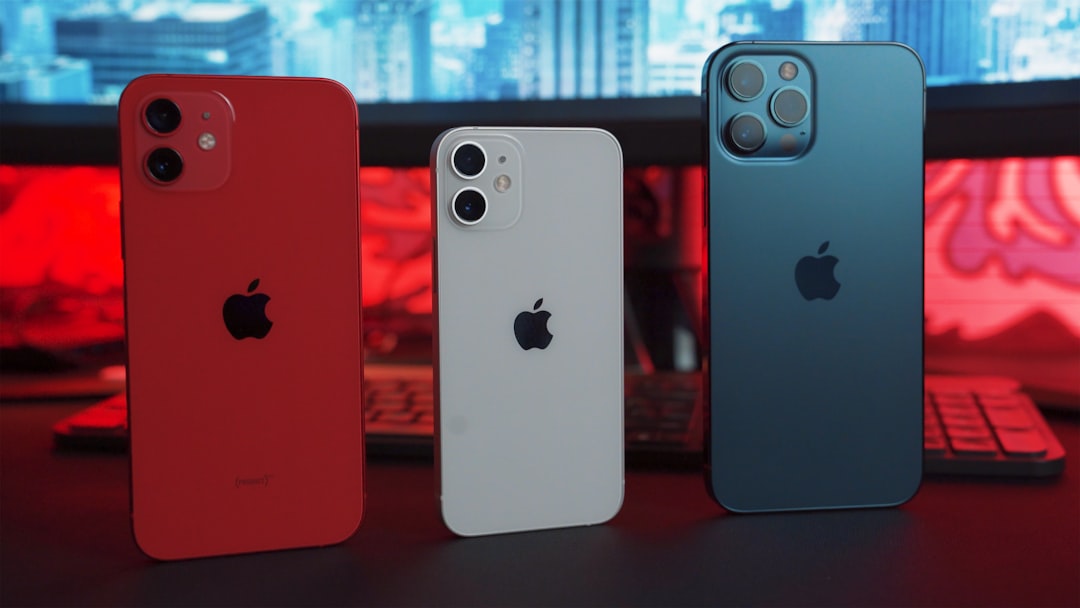
The iPhone 17 lineup has proven to be Apple's best-selling ever, generating $57 billion in revenue, a 22 percent increase year-over-year. However, the strong demand has put a strain on the supply chain. CEO Tim Cook revealed that the availability of advanced A19 and A19 Pro chips from TSMC is a bottleneck. TSMC uses the same 3-nanometer process for these chips and for those in high demand for artificial intelligence, creating competition for manufacturing capacity. The availability of these advanced nodes has been the primary reason for supply limitations on the iPhone, preventing Apple from fully meeting the 'off the charts' demand. Despite this, Apple believes it has gained market share.
Sponsored Protocol
Macs and the AI Boom
The Mac segment saw a 6 percent year-over-year revenue increase, reaching $8.4 billion, driven by enthusiasm for the new MacBook Neo and high demand for the Mac mini and Mac Studio. Cook specified that the latter two models have become extremely popular platforms for artificial intelligence and agentic tools, leading to higher-than-anticipated demand. Consequently, Apple anticipates that Mac mini and Mac Studio will remain difficult to obtain for several months, as it will take time to achieve supply-demand balance. The enthusiasm for the MacBook Neo, in particular, has led to records for new customers and upgraders, with shipping times extending to several weeks.
Memory Costs and Impact on the Apple Ecosystem
Another significant challenge concerns memory costs. Apple experienced higher memory costs in the March quarter, with predictions that the situation will worsen in upcoming quarters. Cook warned to expect 'significantly higher memory costs' in the June quarter and beyond, with an increasing impact on Apple's business. This trend is attributed to the rising demand for memory for artificial intelligence servers, leading chip manufacturers to prioritize them over consumer devices, thus driving up prices. While Apple is evaluating a range of options to address this issue, higher memory costs could affect future products, including the potential iPhone 18 lineup.
Sponsored Protocol
AI and Future Investments
Artificial intelligence is a critical investment area for Apple. The company is accelerating its research and development spending, focusing on both products and services in this domain. Cook reiterated that AI is woven into the core of Apple's platforms, powered by Apple Silicon, offering a personal and private experience rather than a standalone feature. This approach, built on years of innovation and on-device processing, attracts developers and researchers. Apple continues its collaboration with Google, describing the relationship as positive and productive while also pursuing its own internal developments.
Sponsored Protocol
Tim Cook's Succession and Future Outlook
During the call, Tim Cook's succession was officially announced. John Ternus will assume the role of CEO starting September 1, 2026, with Cook transitioning to the position of Executive Chairman. Ternus, with 25 years of experience at Apple, expressed great enthusiasm for the future and the roadmap of products and services. The outlook for the next quarter indicates an expected year-over-year total revenue growth of 14% to 17%, although supply constraints and a difficult comparison with the A16-powered iPad launch may present challenges. Despite these uncertainties, Apple remains optimistic about the future, with a continued focus on innovation and customer satisfaction.
Sponsored Protocol