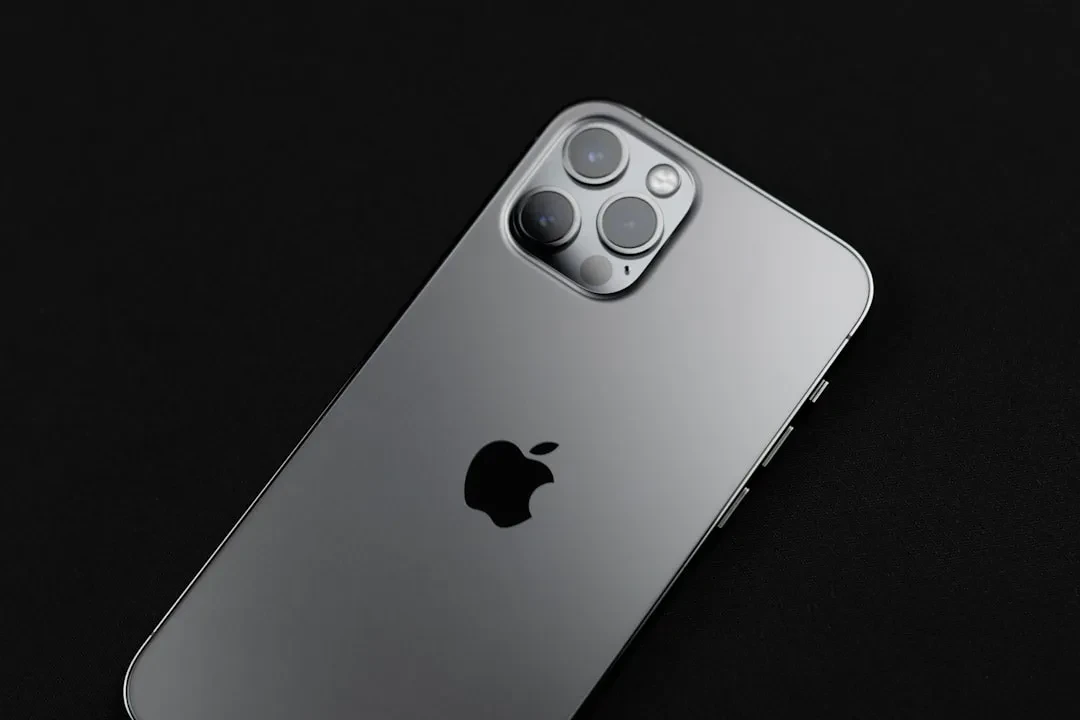
Apple has never stopped searching for innovative materials for its devices, and the latest leaks from reliable Chinese sources reveal an ambitious strategy involving both future iPhone Pro models and the long-awaited foldable from Cupertino. The company seems determined to overcome the compromises between weight, durability, and thermal management that have characterized recent generations, taking a long-term approach.
According to leaker Instant Digital, known for his revelations on Weibo, Apple is developing two alternatives to the aluminum used in the current iPhone 17 Pro models: liquid metal and an improved version of titanium. The shift from titanium (introduced with the iPhone 15 Pro) to aluminum for the 17 Pro series is described as a temporary solution, adopted to solve overheating issues that plagued earlier models. The new “revised” titanium promises superior thermal conductivity and greater strength, with an overall lower weight compared to current alloys. Liquid metal, on the other hand, is an amorphous material Apple has been experimenting with for over fifteen years. Its unique properties including high hardness, corrosion resistance, light weight, and malleability make it ideal for delicate applications such as building foldable device frames. The main challenge, as Instant Digital points out, lies in mass production, which is extremely complex. Once optimized, however, costs could drop, paving the way for future iPhone Pro models.
Sponsored Protocol
The first testing ground will be Apple’s foldable
Liquid metal and improved titanium will not arrive on the iPhone 18 Pro, whose production is already locked in. However, the leaker indicates that both materials will be used in Apple’s first foldable iPhone, which could be called “iPhone Ultra” and debut this fall. The device, featuring a 5.5-inch display when closed and a 7.8-inch display when opened, will use revised titanium for the frame and liquid metal for the hinge, aiming to minimize the crease and improve screen flatness. In parallel, another source, Digital Chat Station, reveals that Apple is working on a large foldable iPad with an 18-inch Samsung display, expected no earlier than 2028 or 2029. This device will adopt the same hinge design as the iPhone Ultra, ensuring an almost wrinkle-free surface. The concept is fascinating: closed it resembles an aluminum MacBook with no external display; opened it becomes a giant tablet the size of a 13-inch MacBook Air, but without a physical keyboard. Current prototypes weigh about 3.5 pounds, much heavier than existing iPad Pro models, and the price could exceed $3,900. The challenge is making the device light and thin enough to be practical.
Sponsored Protocol
Future implications for the iPhone Pro lineup
If liquid metal production becomes cost-effective and scalable, Apple could adopt it for iPhone Pro frames starting in 2027 or 2028, replacing titanium or aluminum. This would lead to thinner, more durable devices with better heat dissipation, solving the issues that arose with pure titanium. The move fits into a broader strategy of material differentiation, as seen with the recent iPhone Air, which uses a titanium frame for lightness. Apple’s path echoes past transitions from aluminum to glass and then to titanium: each transition has been accompanied by innovations in manufacturing processes. The company has already filed patents for amorphous alloys and die-casting processes, and the involvement of specialized suppliers could reduce timelines. In parallel, recent innovations in Apple Intelligence and accessibility show how Cupertino is integrating hardware and software to enhance user experience.
Sponsored Protocol
For tech enthusiasts, the prospect of an iPhone with a liquid metal frame is exciting. The unique properties of this material, described in depth on Wikipedia, include wear resistance and impact absorption superior to traditional crystalline metals. If Apple can overcome production hurdles, 2027 could mark a generational leap for the Pro lineup, with more durable devices and even thinner lines. The future of Apple’s foldables, meanwhile, is becoming clear: an almost invisible hinge, advanced materials, and a true “Ultra” price tag.
Sponsored Protocol