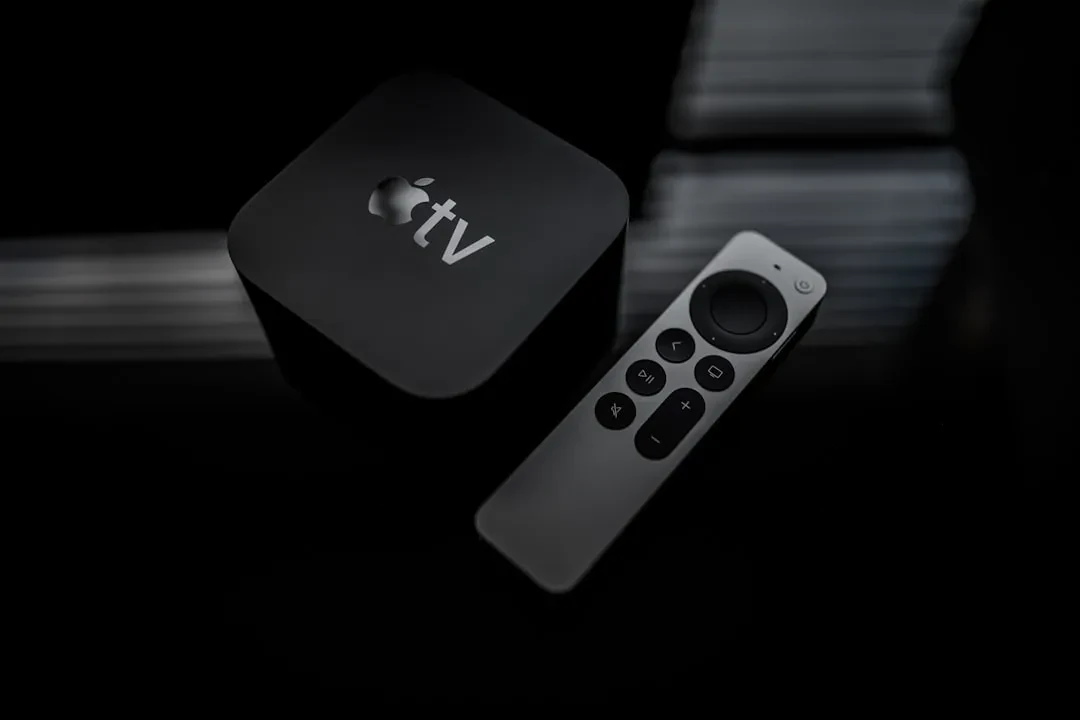
The streaming device market is poised to welcome a new wave of innovation, and this time the spotlight is on Apple TV. While the device's external design will remain faithful to its iconic "squircle" shape and black plastic finish, the true revolutions lie beneath the surface and in software integration. The update, expected in 2026, promises to elevate the user experience with a powerful new chip and, most importantly, a deeply revamped version of Siri, closely tied to the new Apple Intelligence features.
A New Technological Heart for Apple TV
The beating heart of the new Apple TV will be a next-generation processor. The strongest rumors point to the adoption of the A17 Pro, the same chip that debuted in the flagship iPhone 15 Pro models. This represents a significant leap forward from the current A15 Bionic integrated into previous models. The A17 Pro, built on a 3-nanometer process, ensures snappier performance and greater energy efficiency. Additionally, it introduces support for hardware-accelerated ray tracing, promising superior graphical quality in games and more demanding multimedia experiences. The choice of this chip, which is among the older ones supporting advanced Apple Intelligence features, also leaves the door open for the possible integration of even newer chips like the A18 or even A19, especially if future Apple Intelligence implementations require additional computational resources. A RAM upgrade is also plausible to support these new and complex functionalities.
Sponsored Protocol
The Wait for Siri and Apple Intelligence
The real anticipation, however, is focused on the release of the new Siri version. The launch of the new Apple TV seems to be directly linked to the development of these artificial intelligence-based features. According to authoritative sources like Bloomberg, Apple has postponed the release of enhanced Siri features, now expected with iOS 17 (scheduled for September 2026), due to persistent technical issues. Initially, the unveiling was planned for spring 2026, but the need to refine the user experience led to this delay. This delay will affect not only Apple TV but also other devices such as a hypothetical new HomePod and a potential new home hub, all waiting to fully leverage the capabilities of the new Siri. The integration of Apple Intelligence on Apple TV could therefore represent a turning point for device interaction, making it more intuitive and personalized.
Sponsored Protocol
Cutting-Edge Connectivity and Smart Home Integration
Beyond the new chip and AI features, the future Apple TV could benefit from a significant connectivity upgrade. Rumors suggest the integration of Apple's N1 networking chip, which would bring support for the Wi-Fi 7 standard. This standard, operating on the 6GHz band, offers a significantly faster and less congested connection, ideal for streaming high-definition content. Furthermore, the N1 chip would also support the Thread protocol, confirming Apple TV's role as a hub for Matter-compatible smart home devices and as a border router for the Thread network. Regarding local connectivity, the introduction of Bluetooth 6 is speculated, further improving performance with accessories like game controllers and earbuds.
Sponsored Protocol
Pricing and Launch
On the pricing front, rumors are circulating about a possible price drop. Apple might opt for a dual-model strategy, with a high-end version and a more affordable alternative, or it could keep the current model in its lineup as a low-cost option. Regardless of commercial choices, the launch date seems set for September 2026, coinciding with the release of iOS 17 and its related software innovations. This extended waiting period, while frustrating for some, promises a more powerful, intelligent, and connected Apple TV device than ever before. While we wait, it's worth remembering how Apple continues to innovate in other areas as well, as evidenced by recent updates for event management with Apple Invites, a sign of the constant pursuit of improvement within the Apple ecosystem.
Source: https://www.macrumors.com/2026/04/23/apple-tv-4k-2026-rumors