The technology landscape continues to be dominated by significant innovations and updates, with Apple at the forefront of offering increasingly integrated and sophisticated user experiences. Recent news highlights two key development areas for Cupertino the Apple Watch Series 11 and the second generation of the AirTag. These announcements arrive at a time when connectivity, personal security, and device management are becoming fundamental pillars of our digital lives.
Apple Watch Series 11 Promotions and Accessibility
The Apple Watch Series 11 is receiving a notable boost in accessibility thanks to significant discounts offered by retailers like Amazon. In particular, almost all GPS aluminum models have seen their prices reduced, reaching all-time lows. For instance, the 42mm GPS model is now available for around $299, a $100 drop from the original price, while the 46mm GPS version costs $329, also with a $100 saving. These offers represent a golden opportunity for users looking to enter Apple Watch's advanced ecosystem or upgrade their devices. Promotions also extend to cellular models, with discounts of up to $130 on the 46mm cellular model, now offered at $399 instead of $529. These savings, combined with the advanced health and fitness tracking features, make the Apple Watch Series 11 a particularly attractive purchase this year.
Sponsored Protocol
Five Years of AirTag and the Evolution of Tracking
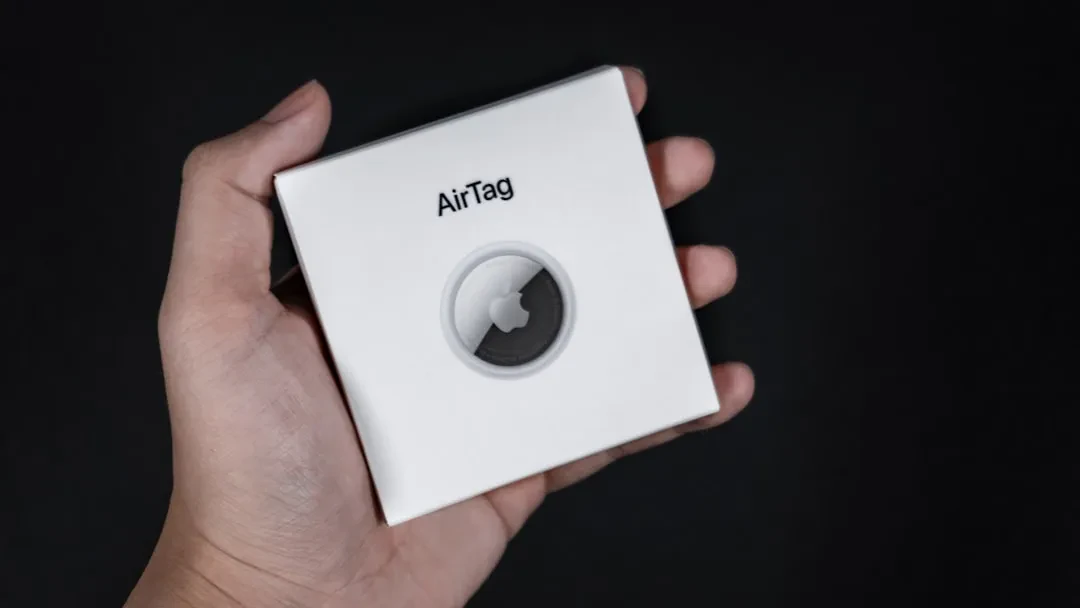
Concurrently, the Apple AirTag celebrates its fifth anniversary since its initial launch in April 2021. Over these years, the AirTag has established itself as the world's best-selling item tracker, thanks to its discretion, affordable price, and seamless integration with Apple's vast Find My network. The technology, which includes an Ultra Wideband chip for Precision Finding and the Bluetooth-based Find My network leveraging signals from billions of Apple devices, has revolutionized how people find lost items. Despite initial concerns regarding misuse for stalking or theft, Apple has consistently worked to improve security, introducing unwanted tracking alerts and collaborating with Google for a safer cross-platform experience for Android users. The AirTag's ability to help recover valuable items like luggage, bicycles, and bags has been widely documented, reinforcing its market position.
Sponsored Protocol
Second-Generation AirTag Continuous Innovation
The fifth anniversary also marks the debut of the second-generation AirTag, launched in January 2026. This new model brings tangible improvements, including a second-generation Ultra Wideband chip that extends the range of Precision Finding by up to 50 percent further. The Bluetooth chip and the speaker, now 50 percent louder than the original, have also been enhanced, making it easier to locate lost items through audio cues. A significant new feature is the Precision Finding compatibility with Apple Watch Series 9 models and later, further expanding interaction possibilities. Apple has also made structural changes, such as more secure attachment of the speaker magnet, to make its removal more difficult, a modification aimed at preventing the tampering of tracking alerts.
Sponsored Protocol
The Apple Ecosystem and Future Visions
These developments in the Apple Watch and AirTag are part of a broader context of technological innovation where artificial intelligence plays a leading role. The integration of AI features into wearable devices, as we might see with future Apple smart glasses with AI that enhance digital interaction, opens up exciting scenarios. Apple's goal seems to be the creation of an increasingly cohesive ecosystem, where each device contributes to a fluid and personalized user experience. Continuous evolution, as demonstrated by the challenges and innovations in the field of generative artificial intelligence, pushes companies like Apple to perfect not only their hardware products but also the software and services that make them possible. The future roadmap promises further integrations and intelligent features that will redefine our relationship with technology even further.
Sponsored Protocol