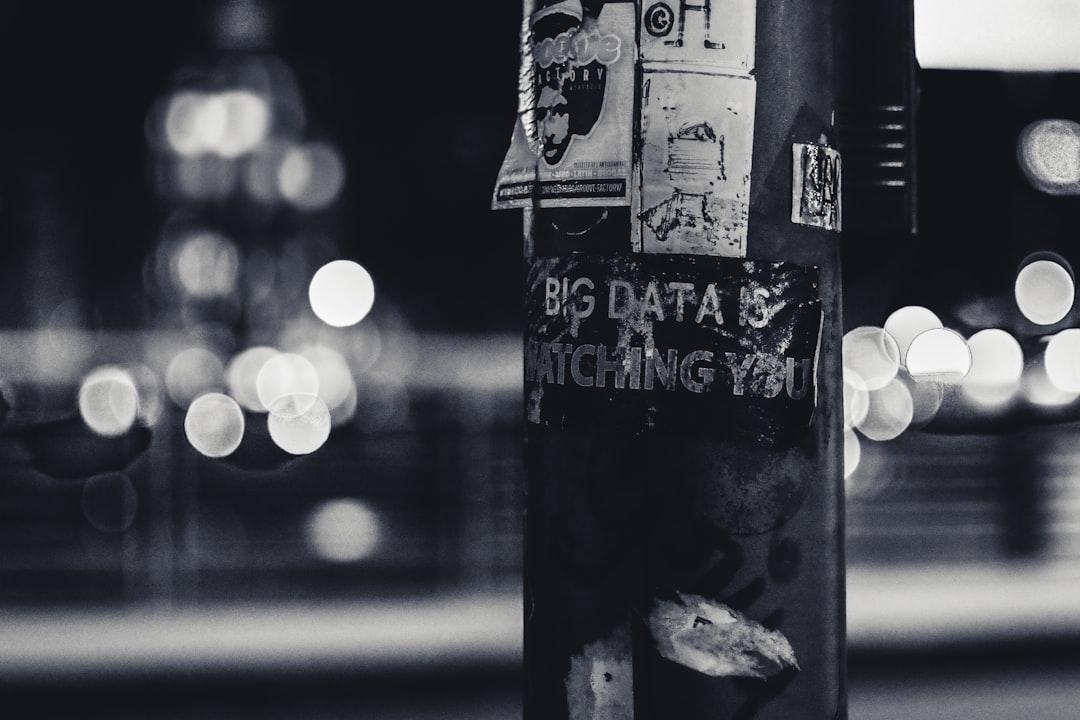
Imagine a digital world where your email identity is shielded from the prying eyes of apps and websites, an oasis of anonymity promised by tech giants. Apple, with its bold move to mask email addresses, has painted a seductive picture of this utopia. Yet, behind the veil of protection, lies a less comforting and more complex truth, one that raises profound questions about the boundaries of privacy in the digital age, especially when the request comes not from a company, but from state authorities. The narrative of absolute privacy, in fact, brutally clashes with the reality of governmental demands, revealing cracks in a system that appears robust only on the surface, a superficiality that merits a deeper and more critical analysis.
The innovation introduced by Apple, known as “Hide My Email” or integrated into services like “Sign In with Apple”, represents a significant bulwark in the battle against incessant spam and the online traceability that plagues modern users. This ingenious feature allows users to generate random, unique email addresses for every application or website they interact with, forwarding all communications to their real inbox without ever revealing their original address. A strategic move that has been hailed as a revolutionary step towards greater digital autonomy, a tangible way to give individuals significant control over their online footprint. It is, in effect, a promise of reduced digital noise, a robust barrier against intrusive profiling, and an effective mechanism to limit the unauthorized dissemination of personal data, strengthening user trust in their ecosystem and in the company's ability to protect their interests.
Sponsored Protocol
The Unexpected Fracture in the Privacy Armor
But it is precisely here that the picture significantly crumbles, revealing an unexpected fracture in the armor of digital privacy. While the service excels at protecting users from commercial entities and digital malefactors, the same seemingly impenetrable shield does not extend, or cannot extend, to requests originating from law enforcement or federal agencies. Recent incidents have highlighted an unequivocal and in some ways unsettling reality requests for Apple customer records by federal agents have been presented with increasing frequency in recent months, underscoring the intrinsic and perhaps inevitable limitations of the privacy offered, particularly concerning email. In these scenarios, tech companies like Apple find themselves legally obliged to comply with valid warrants and court orders, revealing the actual email address associated with the user's Apple ID. This situation effectively transforms that seemingly impenetrable barrier into a wall that becomes entirely permeable under the binding weight of a legal mandate, unveiling an aspect of digital privacy that many would prefer to ignore.
Sponsored Protocol
This profound dichotomy between the protection offered to consumers and the transparency demanded by the state raises ethical and legal questions of immense scope, fueling a global debate. A thin and often invisible line is drawn between the sacrosanct right to individual privacy and the urgent needs of national security or criminal investigation. The average user, who might delude themselves into enjoying almost total anonymity thanks to these advanced features, is confronted with the raw and ineluctable truth that every piece of data, even if carefully masked, ultimately remains traceable and accessible to competent authorities, provided the necessary legal justifications exist and legal procedures are followed. This scenario highlights a growing disillusionment about the ability of technology companies to guarantee absolute and unconditional privacy, especially when the regulatory framework compels them, under threat of penalties, to cooperate with state authorities.
Sponsored Protocol
Understanding Legal Mechanisms and Data Traceability
The process by which this personal information, though masked, is disclosed is far from simple or arbitrary. Law enforcement and intelligence agencies typically must obtain specific search warrants or court orders, based on probable cause and approved by a judicial authority, to access customer data held by tech companies. This is not free or indiscriminate access, but a process rigorously regulated by precise legal provisions that vary considerably from country to country, reflecting different legal philosophies on privacy. However, the fundamental point remains that, despite the “Hide My Email” technology being able to generate a virtually untraceable alias for third-party entities, Apple itself retains the indissoluble link between that generated alias and the user's real and verifiable Apple ID. This information is the essential bridge that authorities can cross to identify the real person behind the masked email address, transforming a user-intended protection mechanism into a potential identification tool available to the state. Transparency regarding such requests, although often limited by stringent investigative confidentiality constraints, is fundamental for maintaining a democratic balance and for allowing public oversight of governmental surveillance.
Sponsored Protocol
New Awareness for the Digital User
For the end-user, a thorough understanding of these limitations and underlying dynamics is crucial for navigating the complex digital landscape with informed awareness. This is not about demonizing Apple, which still offers a level of privacy protection often superior to many direct and indirect competitors, but about fully comprehending the context in which contemporary digital privacy operates. Users should adopt a more critical and proactive mindset regarding the management of their online identity, not blindly relying on single features, however innovative and well-intentioned they may be. This means, perhaps, consciously limiting the amount of personal information shared, considering the use of end-to-end encrypted messaging services for particularly sensitive communications, or adopting virtual private networks (VPNs) to mask their IP address and geographical location. The lesson is clear and resonant true digital security and privacy are not the result of a single miraculous solution, but rather an ecosystem of diligent practices, multiple tools, and constant personal vigilance.
Sponsored Protocol
Ultimately, Apple's move to shield email addresses from websites and apps undoubtedly represents a commendable and necessary evolution in the battle for individual privacy in the technology sector. However, the explicit exception for governmental authorities forcefully reminds us that privacy in the digital age is not an absolute and unconditional right, but rather a delicate and precarious balance between fundamental personal freedoms and the complex, often urgent, needs of a modern and democratic state. It is a constant reminder that, however advanced and sophisticated data protection technologies may be, the stark reality of legal regulations and law enforcement demands can always override, and often does override, the illusion of complete and unalterable anonymity. Navigating this constantly evolving digital landscape requires continuous awareness, a healthy dose of skepticism, and a deep understanding of the complex forces at play, both technological and legal, to build a digital future that is simultaneously more secure, more transparent, and more respectful of the rights of all its inhabitants.