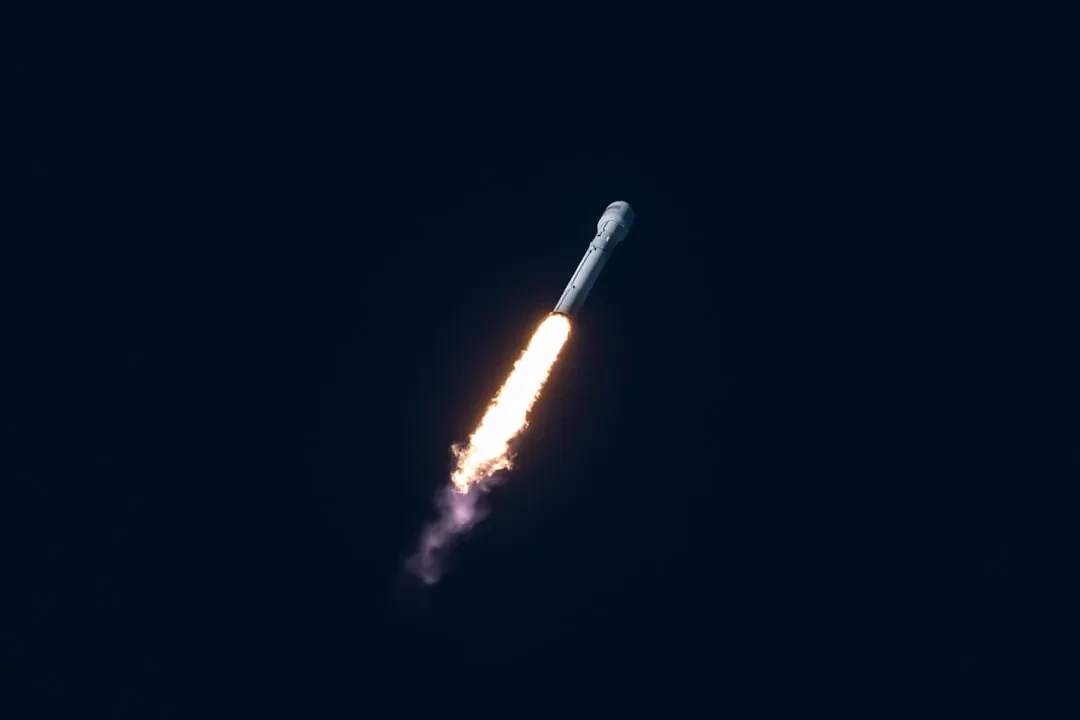
The Artemis II mission has marked a historic milestone for the American space agency NASA. After an odyssey culminating in lunar orbit, the mission's astronauts have returned to Earth, splashing down flawlessly in the Pacific Ocean. This success represents a fundamental step forward in the program for humanity's return to the Moon, a goal that promises to open new frontiers for science and technology.
A Flawless Splashdown
The return of the Orion capsule, an integral part of the Artemis II mission, occurred according to plan. The spacecraft touched down in the waters of the Pacific Ocean off the coast of San Diego, shortly after 5:07 p.m. local time. This splashdown, described as 'perfect' by NASA spokespersons, is a testament to the accuracy and engineering dedication that characterized the entire operation. Astronaut safety has always been the absolute priority, and the successful outcome of this crucial mission phase underscores the effectiveness of the protocols and technologies employed.
Sponsored Protocol
Towards the Moon and Beyond
The Artemis II mission is not just a success in itself but casts a shadow of optimism towards future lunar objectives. This return to Earth marks the conclusion of one of the most ambitious phases of the Artemis program, aimed at establishing a sustainable human presence on the Moon. The ability to travel to the Moon, orbit it, and return safely to Earth is an essential prerequisite for the more complex missions that will follow, including the future Artemis III, which will see an actual lunar landing. The experience gained from this mission will be invaluable for planning the next steps, which aim to explore permanently shadowed lunar craters in search of water resources and to prepare the ground for future missions to Mars. In this context, one might also consider the recent discussions on digital sovereignty and the abandonment of proprietary technologies by nations like France, which demonstrates a global trend towards technological independence. While different, the challenges of technological independence in space and on the ground raise similar questions about innovation and control.
Sponsored Protocol
A Future of Discovery
The return of Artemis II reignites enthusiasm for space exploration globally. The astronauts have successfully completed their journey around the Moon, gathering valuable data and demonstrating the capabilities of the Orion capsule in real operating conditions. This success not only validates NASA's efforts but also inspires a new generation of scientists, engineers, and dreamers. The implications for science are vast, paving the way for unprecedented research into lunar geology, the space environment, and the feasibility of long interplanetary journeys. The path to Mars, though still distant, becomes a little less uncertain thanks to the steps taken within the Artemis program. International competition and cooperation in space will continue to push the boundaries of knowledge, much like in other technological sectors where rapid and sometimes surprising developments are witnessed.
Sponsored Protocol
The Challenges of Technology
The success of Artemis II is built upon decades of technological innovation and meticulous preparation. Every component, from the Orion capsule's life support system to its navigation and communication systems, has been designed to operate in a hostile and unpredictable environment like space. The miniaturization of components, energy efficiency, and radiation resistance are just some of the technological aspects that make missions of this scale possible. NASA continues to invest in research and development to address future challenges, including those related to the sustainability of long-term missions and the protection of crews. The integration of increasingly advanced systems and the exploration of new energy sources will be crucial for the future of space exploration. As demonstrated by continuous advancements in artificial intelligence, such as those promoted by OpenAI, technological innovation is an unstoppable driver of human progress. However, it also brings new ethical and security challenges, as evidenced by ongoing investigations concerning ChatGPT and the potential dangers arising from the misuse of these advanced technologies.
Sponsored Protocol
Source: https://techcrunch.com/2026/04/10/nasa-artemis-ii-landing-pacific-ocean-splash-down