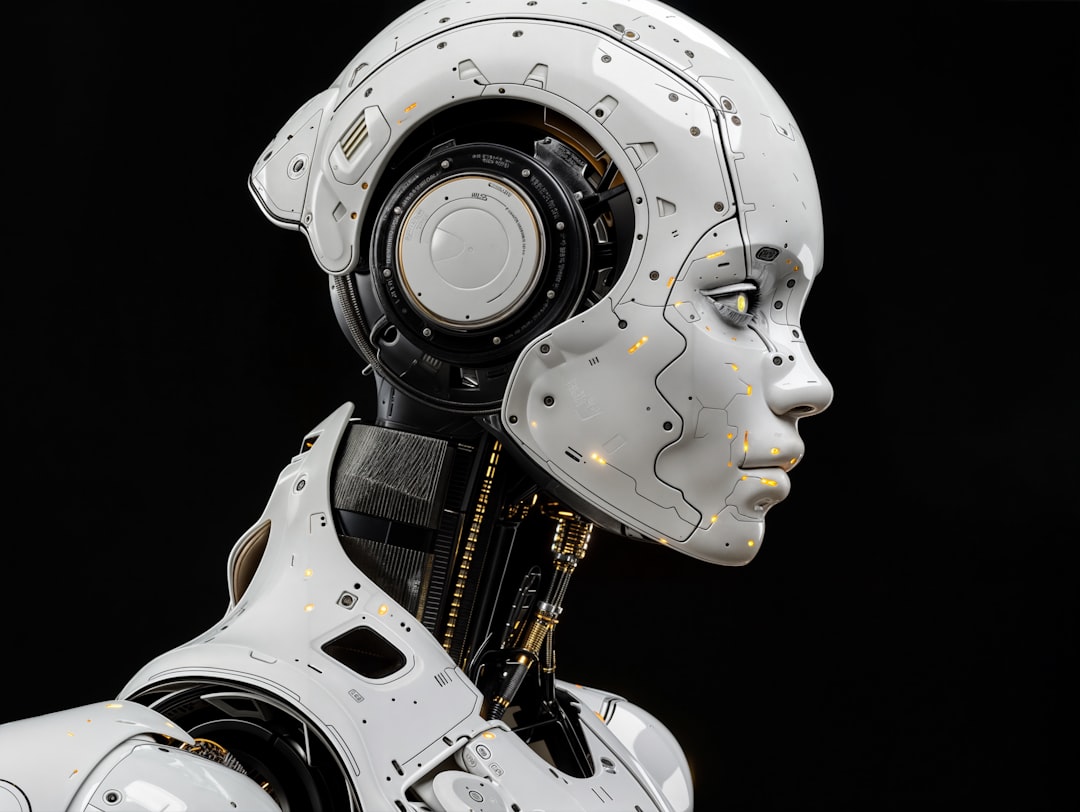
The evolution of artificial intelligence is turning robots from programmed machines into autonomous workers capable of operating in complex environments. While self-driving taxis glide through city streets and drones deliver packages without pilots, the prospect of multipurpose robots assisting humans in offices, factories, and homes is becoming increasingly tangible. This vision hinges on developing increasingly autonomous robots powered by modern AI, an ambition that has driven many researchers to become startup founders and attracted billions of dollars in investment.
From point-to-point navigation to flexible autonomy
According to Matt Malchano, vice president of software at Boston Dynamics, the concept of robot autonomy has radically changed in the past fifteen years. “When I started about 15 years ago, I led a project team focused on autonomy, but the goal was simply to get a robot to navigate from point A to point B”, says Malchano. Today, he explains, autonomy encompasses a huge space of tasks that we can imagine a robot performing on its own. This leap is made possible by integrating machine learning algorithms, computer vision, and large language models, enabling robots to interpret their surroundings in real time and make unforeseen decisions.
Sponsored Protocol
Generative AI as the brain of working robots
Generative AI models play a key role by allowing robots to understand natural language commands and generate coherent sequences of actions. For instance, a robot in a warehouse could receive the instruction “grab the red box from the third shelf and take it to the packing station” without being programmed for each individual move. Companies like Anthropic are expanding their AI assistants' capabilities, showing how these technologies can be translated into physical actions. The convergence of language and movement is one of the hottest research frontiers.
Sponsored Protocol
Billion-dollar investments and new startups
The race to robot autonomy has seen an explosion of startups founded by academics and engineers from prestigious labs like MIT and Stanford. In the past year alone, venture capital funds have poured over $5 billion into companies developing robots for logistics, cleaning, healthcare, and food service. “The market is ready for robots that don't require constant human supervision”, says an industry analyst. Today, robots like those from Boston Dynamics are already used in industrial inspections and predictive maintenance, but the goal is to bring them into homes to assist the elderly or people with disabilities.
Technical and ethical challenges
Despite progress, the path to fully autonomous robots faces significant hurdles. Sensory perception must be robust in dynamic environments, and safety is paramount: a misstep can cause damage. Ethical issues such as liability in case of errors and impact on employment require clear regulations. As explained in a detailed entry on Wikipedia, companies like Boston Dynamics are collaborating with regulators to establish safety standards.
Sponsored Protocol
The future: robots in homes by 2030?
Forecasts suggest that by the end of the decade we could see domestic robots capable of performing daily chores like cleaning, cooking, or assisting frail individuals. “General autonomy is the holy grail of robotics”, comments Malchano, “and AI is making it possible faster than we imagined”. The synergy between advanced language models and increasingly affordable hardware is accelerating adoption. Although the path is fraught with challenges, the direction is clear: autonomous robots are destined to become an integral part of our work and home lives.