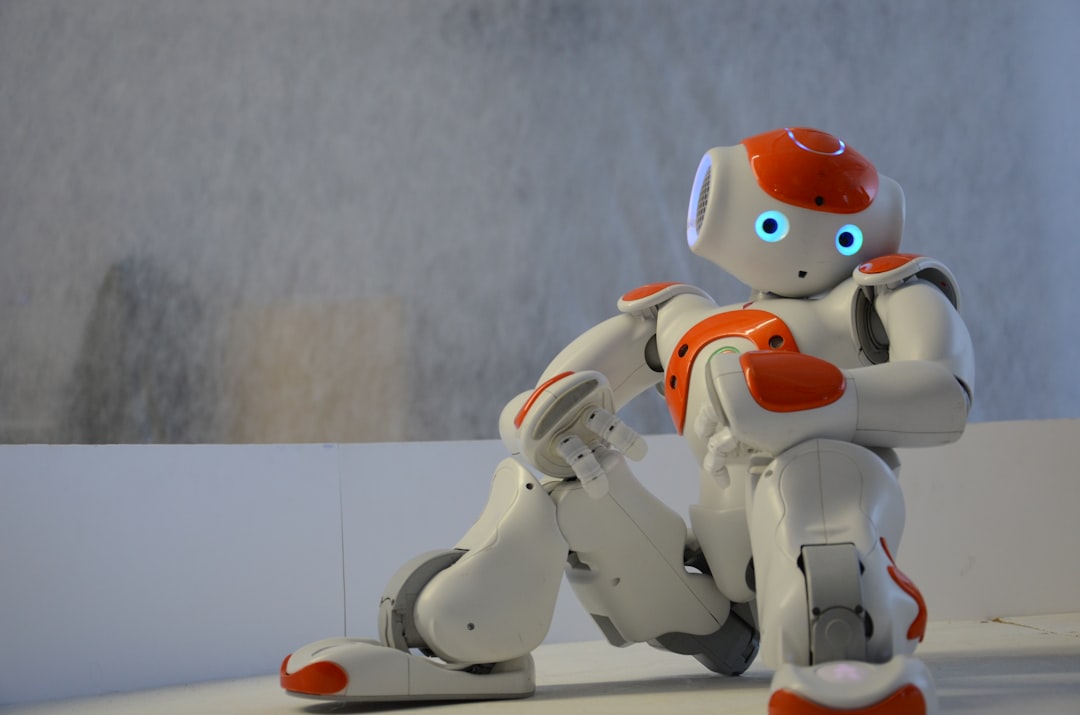
Microsoft co-founder Bill Gates has revived a controversial idea to address rising automation: taxing robots that perform human tasks. First proposed in 2017, the concept gains renewed relevance in 2026 as artificial intelligence and robotics accelerate, sparking fears of mass unemployment. Gates argues that a robot replacing a worker should be taxed like its human counterpart, aiming to slow indiscriminate automation adoption and fund exploration into new forms of employment.
Gates' Original Proposal in 2017
In a 2017 interview with QZ, Bill Gates first floated the idea of a robot tax. According to Gates, if a robot performs the same job as a human, it should be taxed similarly, creating an economic incentive to preserve jobs and generating revenue to reinvest in retraining programs. The proposal fits into a broader debate on how policymakers should handle automation's impact on labor markets. Gates emphasized that slowing down the machine rollout could give society time to adapt and restructure employment models.
Sponsored Protocol
Industry Criticism and the IFR's Position
The robot tax idea faced strong opposition, particularly from industrial groups. The International Federation of Robotics (IFR) openly criticized the proposal, arguing that taxing robots would penalize innovation and competitiveness. Instead, the IFR suggested higher taxes on corporate profits from automation to redistribute benefits without hindering technological progress. Despite criticism, notable figures have supported similar measures, including Anthropic CEO Dario Amodei, who called for an AI tax to fund a worker support fund, and former presidential candidate Andrew Yang, who advocated for taxing automation rather than human labor.
Sponsored Protocol
The Debate Evolves Through 2026
Since 2017, the conversation has shifted from physical automation to digital tools like large language models (LLMs) and generative AI. However, robotics continues to grow, and in 2026 the discussion is once again focusing on tangible machines. As reported in our article on OpenAI's restrictions, the impact of AI on European SMEs is already significant, and a robot tax could become a policy tool to mitigate negative effects. Gates' proposal, though contentious, sparks a necessary reflection on balancing innovation and job protection. For more information, see the Wikipedia entry on robot tax.
Sponsored Protocol
In conclusion, Bill Gates' idea remains a touchstone in the automation debate. As the world races toward an increasingly automated future, the question of how to tax robots may become one of the most important policy challenges of the next decade.