A new study by Boston University professor Emma Wiles reveals a concerning trend for the future of human-AI collaboration. Managers who reviewed work attributed to an "AI employee" rather than a standard chatbot caught 18% fewer errors. This finding challenges the current push by tech giants to frame AI agents as digital colleagues.
The experiment behind the drop in accuracy
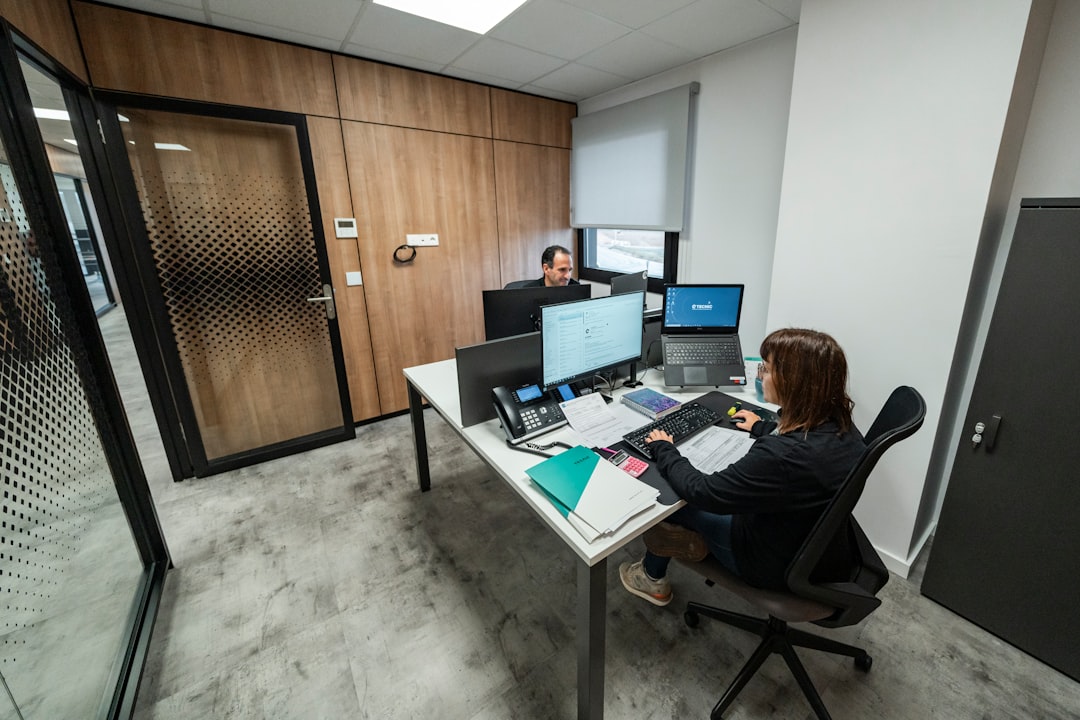
Wiles designed a test where participants evaluated documents from different sources. One group was told the work came from a chatbot, another from an AI agent with a name and job title. The latter group showed lower error detection, likely due to automation bias. When AI is anthropomorphized, humans tend to trust it more and reduce their own scrutiny. This effect is documented in the broader field of human-computer interaction.
Sponsored Protocol
Big Tech's push for AI coworkers and the hidden risks
Microsoft, OpenAI, Anthropic, and Google have all released tools for managing teams of AI agents, often marketed as virtual employees. However, this study suggests that such framing can backfire. As discussed in the coverage of Apple releasing iOS 26.5.2 to prevent AI exploits, over-reliance on automated systems introduces security and quality risks. In critical fields like healthcare or finance, a 18% drop in error detection could have severe consequences.
Regulatory and workplace implications
The findings come as lawmakers consider AI regulation. Senator Mark Warren has proposed a bill to govern AI agents, focusing on permissions and verification. In Europe, similar discussions are underway. According to Wikipedia's definition of artificial intelligence, AI mimics human cognition, but presenting it as a coworker blurs the line between tool and teammate. Companies should rethink how they introduce AI to employees, emphasizing its role as an assistant rather than a peer.
Sponsored Protocol
Ultimately, the study underscores that the framing of AI matters. Treating AI as a coworker may feel progressive, but it risks reducing human oversight. The path forward requires clear communication and robust safeguards to maintain quality and accountability in the age of intelligent machines.