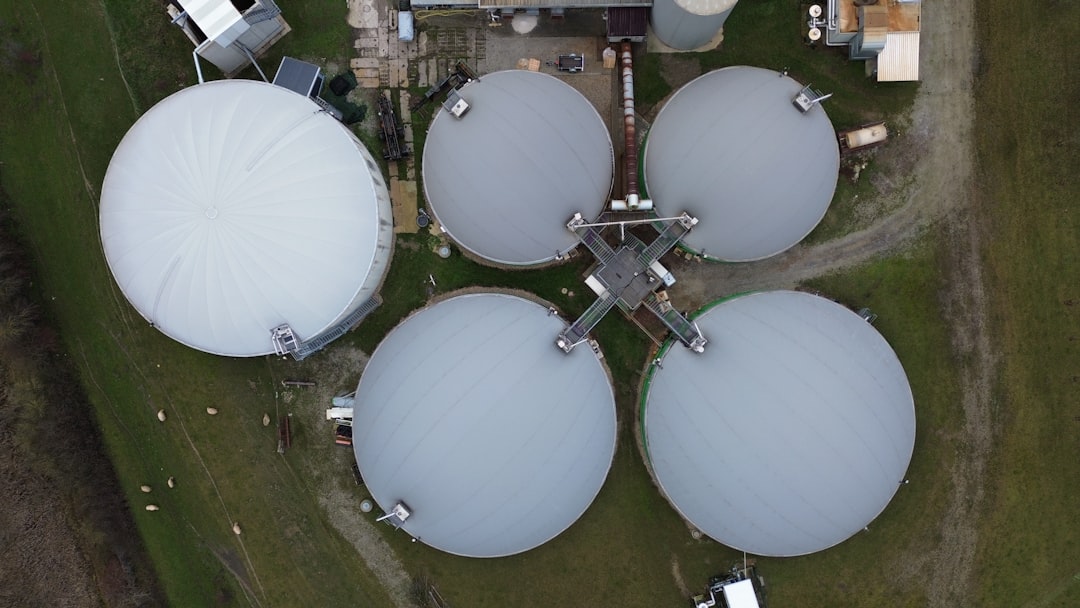
California set up a system that pays cattle farmers across the country to capture methane from manure and convert it into biogas. The carbon credits generated are then sold to polluters as offsets. But an analysis by MIT Technology Review shows the math is flawed: avoided methane is often overestimated, and burning the biogas releases CO₂ anyway. The net climate benefit is, at best, uncertain.
Why it matters
Europe and Italy are moving in a similar direction. Italy's PNRR funds agricultural biogas plants, and the RED III directive pushes biomethane as a renewable fuel. But if California's numbers don't hold, the risk is replicating the same mistakes across the Atlantic. For Italian SMEs in the livestock sector — from Po Valley dairies to Southern farms — turning manure disposal into a revenue stream is tempting. But are the credits we sell real CO₂ reductions or accounting tricks?
Sponsored Protocol
This is not ideology — it's data engineering. A broken measurement system creates a fake market. And fake markets eventually crash. At Meteora Web we deal with data every day — traffic, conversions, inventory KPIs. We know that bad metrics lead to bad decisions. Same here, only the stakes are planetary.
Our position: carbon accounting greenwashing is not innovation
We, at Meteora Web, are not armchair environmentalists. We come from real accounting — balance sheets, double-entry bookkeeping, VAT. We know that inflated environmental accounts are like an e-commerce site with fake conversion rates: eventually reality shows up. Biomethane from manure can work in controlled settings, but if it becomes a way to avoid cutting emissions at source, it's a problem. California shows that — like any incentive system — if the metric is wrong, behavior distorts. Italy cannot afford another bubble like the inflated white certificates or unchecked superbonus. The lesson: rigorous tracking and measurement come before any incentive. Not the other way around.
Sponsored Protocol
What to do
If you work in agri-energy or are considering a biogas plant, don't stop at the business plan numbers. Ask: who certifies the avoided methane? With what method? Is the data open and verifiable? Demand transparency, as you would from a software vendor. And if you're a policymaker, freeze incentives until an independent, robust measurement protocol exists. In Italy, we know what it means to pay for something you don't get. This time we can't afford it.