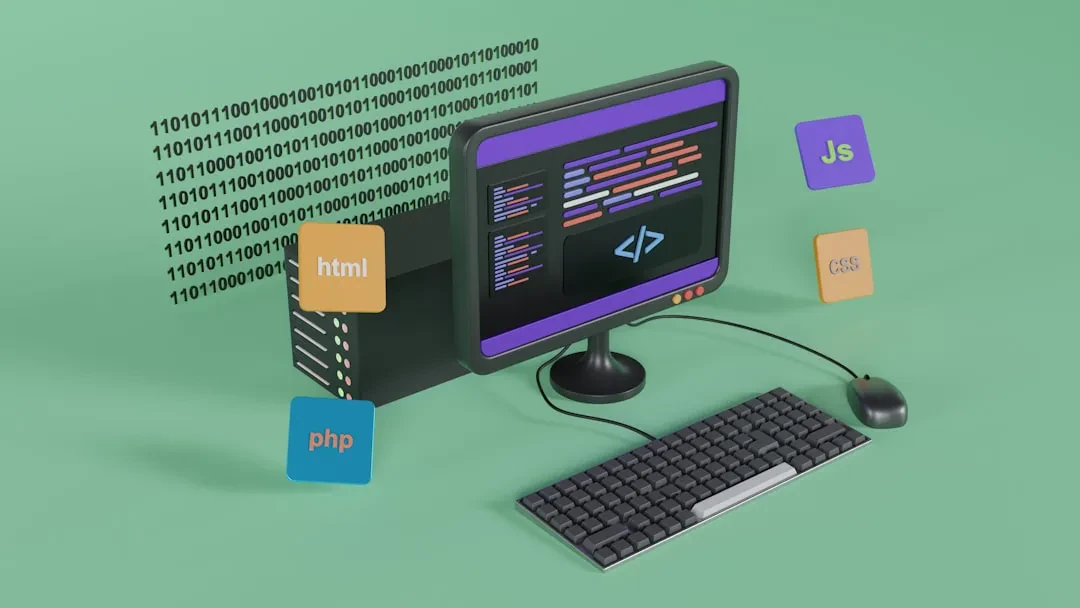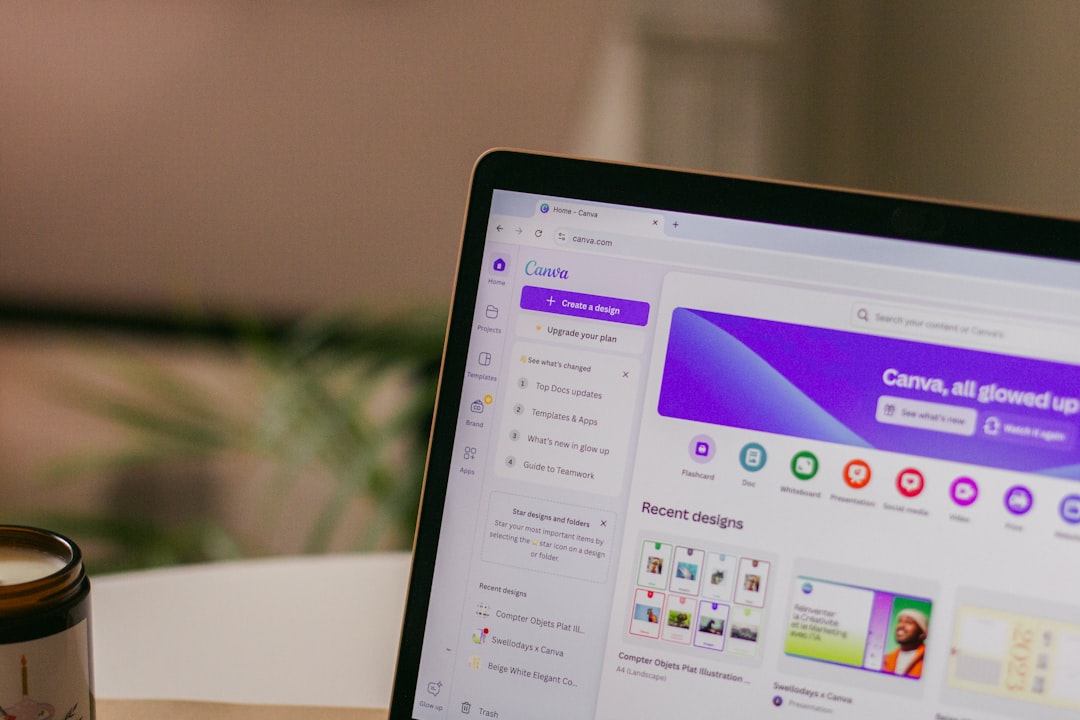
Canva has launched Code 2.0, a major upgrade to its AI-powered coding tool that enables any user, including those on the free plan, to build interactive websites, apps, and experiences using plain-language prompts. The new version integrates seamlessly into Canva's design ecosystem, making it as easy to edit generated code as tweaking a presentation slide.
An upgrade designed for non-developers
Danny Wu, Canva's Head of AI Products, stated in an interview with VentureBeat that the tool is intentionally built for non-technical users. "Canva Code is not a tool for developers," he said. The goal is to bring the power of AI coding into the Canva platform while addressing user demand for more interactivity and customization. This move marks Canva's most aggressive push into the "vibe coding" market, a category that barely existed 18 months ago and is now worth billions.
Sponsored Protocol
Vibe coding market is booming
According to research by Luminix AI, the vibe coding market reached an estimated $4.7 billion in 2026, with projections of $12.3 billion by 2027, growing at 38% CAGR. Competitors like Lovable, Replit, and Bolt.new have seen explosive growth, but Canva is betting on a differentiator: aesthetic quality. While other tools generate functional but often generic code, Canva ensures the output looks polished and on-brand from the start.
Canva focuses on design polish
Code 2.0 introduces features beyond simple code generation. Users can click directly on generated elements to edit text, drag and drop images from Canva's library of over 120 million assets, and update colors and fonts through a familiar toolbar. Generation time has been reduced by 75%, and the median time from initial prompt to published site has dropped by 30%. Users can also import raw HTML from other AI tools, such as ChatGPT or Claude, and convert them into editable Canva designs. This effectively positions Canva as the finishing layer for all AI-generated code, where final visual refinement happens.
Sponsored Protocol
HTML import: Canva's strategic wedge
The ability to import HTML from any source is strategically significant. Wu said Canva is not deliberately positioning itself as a layer on top of vibe coding, but the reality is the company aims to become the default destination for making AI-generated code look professional and consistent with brand identity. Internal data shows over six million websites published since the feature was introduced a year ago, though Wu acknowledged the lack of active retention metrics.
Sponsored Protocol
This launch comes amid growing concerns about proprietary AI models and data security, as recently highlighted by Satya Nadella. Canva assures users they have full control over their data, with options to opt out of AI training. According to Wikipedia, Canva has over 265 million monthly active users, now empowered with AI coding tools at no cost. For more on AI model risks, see our related article: Satya Nadella Warns Companies.