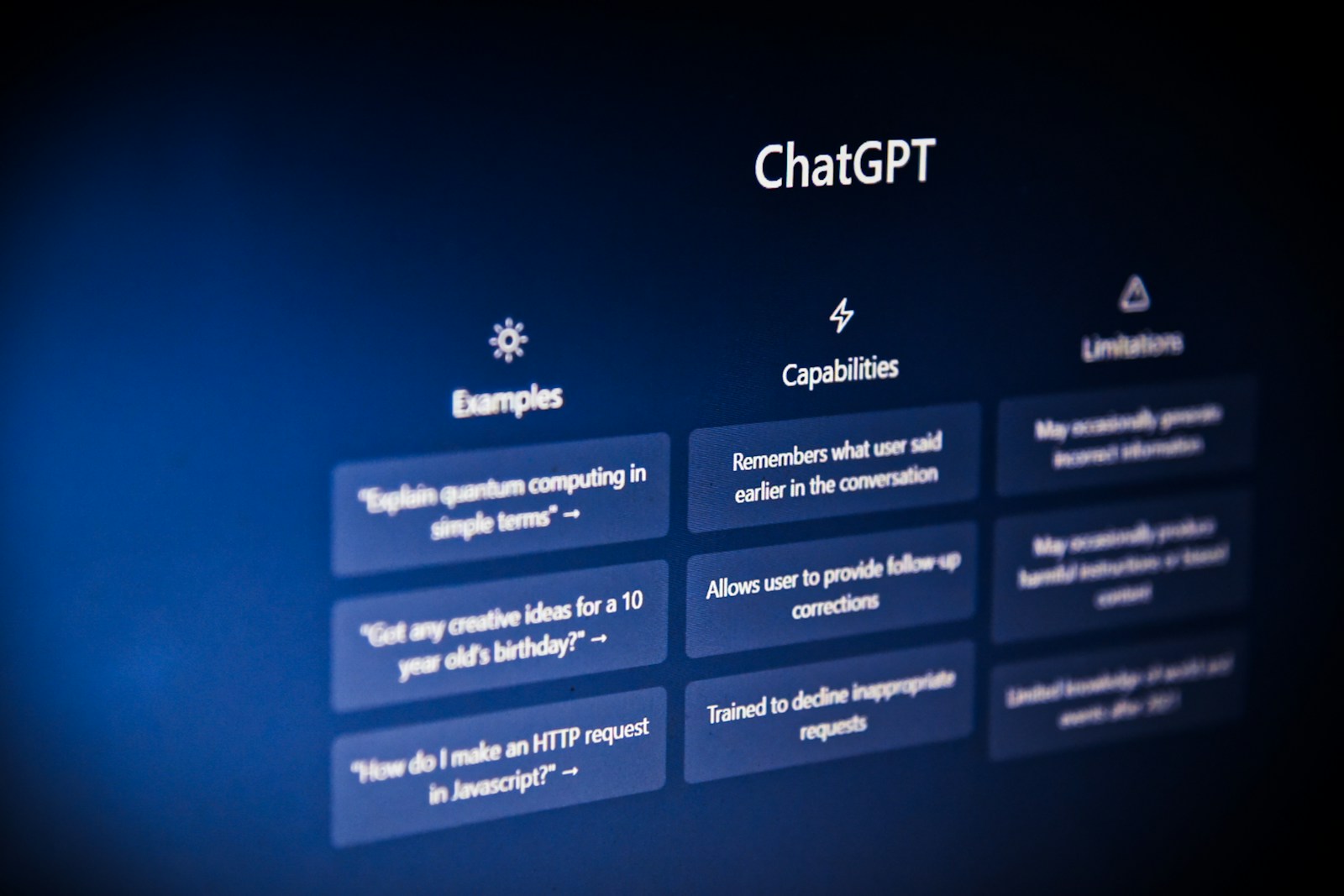
The world of artificial intelligence is constantly evolving, and ChatGPT once again confirms its status as the undisputed protagonist of this transformation. OpenAI's platform is introducing a series of new integrations that promise to revolutionize how we interact with digital applications and services. These innovations not only expand ChatGPT's capabilities but also open up unprecedented scenarios for developers and users, making AI an even more pervasive and useful tool in daily life.
New Frontiers for ChatGPT
Recent announcements and developments in the tech sector indicate a clear direction for ChatGPT's future. The goal is to transform the virtual assistant into a true integrated ecosystem, capable of communicating and operating with a wide range of external services. Imagine being able to order food from DoorDash, manage your music on Spotify, or book a ride with Uber, all directly through a conversational interface with ChatGPT. This is the vision OpenAI is realizing, taking artificial intelligence beyond the boundaries of simple conversation to embrace concrete actions in the digital world.
Sponsored Protocol
This expansion is not an isolated event but fits into a broader context of innovation in the AI field. As highlighted by recent analyses, artificial intelligence is dominating the year with stories and developments that demonstrate its growing importance. The ability to integrate external services makes ChatGPT an even more powerful tool, similar to how the introduction of apps transformed smartphones. It is no coincidence that there is talk of a real revolution, with platforms like Wikipedia having already shown how the democratization of access to information and services can radically change society.
Implications for Users and Developers
For users, these integrations mean faster and more intuitive access to a multitude of services. The ability to manage different activities from a single point of interaction reduces digital fragmentation and simplifies operations. This aligns with trends seen in other sectors, such as personalized listening on Spotify, where the goal is to offer an increasingly tailored experience for the user.
From a developer's perspective, ChatGPT's openness to external integrations represents a huge opportunity. Creating plugins and functionalities that interact with OpenAI's AI can lead to new user experiences and innovative business models. This is especially true in a rapidly evolving technological landscape, where the ability to adapt and innovate is crucial. Consider, for example, how artificial intelligence is already revolutionizing sectors like the automotive industry with Ford or cybersecurity, as demonstrated by alerts about botnets threatening online security here.
Sponsored Protocol
The Future of Human-Machine Interaction
The integration of ChatGPT with services like DoorDash, Spotify, and Uber is not just a matter of convenience but marks a significant step forward towards a more natural and efficient interaction between humans and machines. AI is becoming increasingly capable of understanding user context and intentions, allowing complex actions to be performed with simple voice or text commands. This is a recurring theme in AI discussions, as shown by the interest in new features of Anthropic's Claude AI or the integration of OpenAI's Sora into ChatGPT for video creation.
Sponsored Protocol
The direction taken by OpenAI with these new integrations suggests a future where AI will no longer be a separate tool, but an integrated and invisible component that enhances our digital activities. This is also reflected in the gaming world, with the arrival of Microsoft Copilot on Xbox, preparing consoles for the AI era.
Considerations on AI Evolution
It is important to note how the evolution of AI also raises ethical and security issues. The ability to handle sensitive data and interact with critical services requires constant attention to privacy protection and abuse prevention. The recent closure of Digg's open beta due to AI bot spam is an example of how challenges related to AI must be addressed promptly. Similarly, the discussion on AI's impact and catastrophic risks, as warned by an expert legal professional in this article, is crucial for responsible development.
The race for innovation in the field of artificial intelligence is unstoppable. With these new integrations, ChatGPT positions itself as a central platform for digital interaction, paving the way for a future where AI will be even more integrated into our lives, simplifying tasks and opening new possibilities. The expansion of features like those of Google's Gemini demonstrates how AI-driven automation is transforming digital work.
Sponsored Protocol
Our Opinion
Our Opinion
The announcement of ChatGPT's new integrations is an unequivocal signal of the direction artificial intelligence is taking. It is no longer just about conversing with a machine, but about delegating concrete actions to it, transforming it into a true personal digital assistant. This evolution, while promising unprecedented efficiency and convenience on one hand, raises important questions on the other. The trust we place in these systems will be fundamental. We must ensure that transparency and security are at the core of development, to prevent convenience from turning into a vulnerability. The challenge is to balance innovation with responsibility, ensuring these powerful tools are used to improve our lives without compromising privacy or security. It is an exciting journey but one that requires constant vigilance.
Original source: Click here for the source