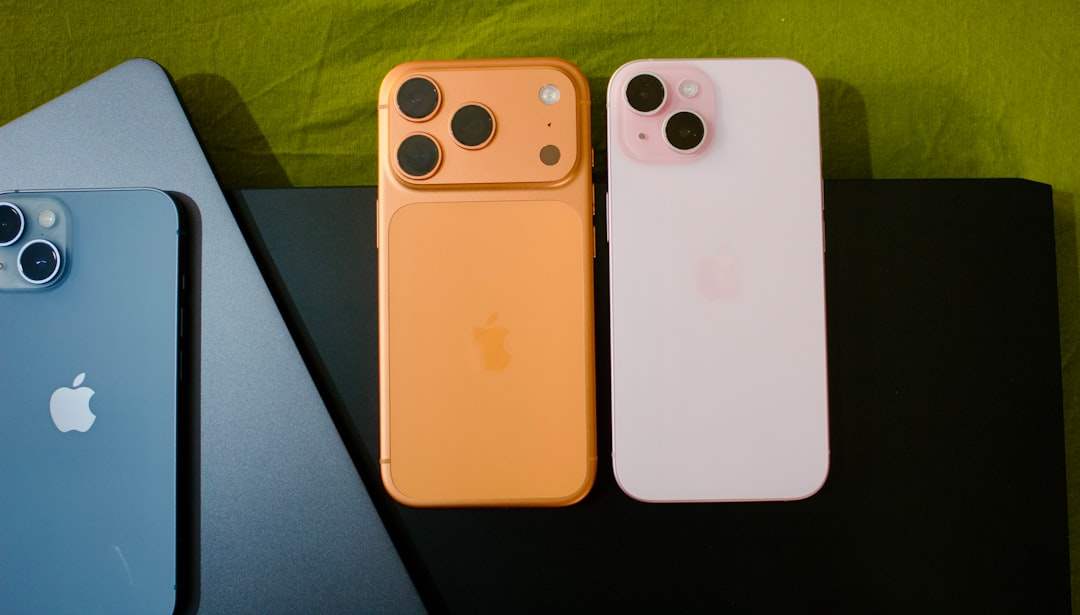
The potential of generative artificial intelligence continues to expand at a dizzying pace, redefining how we interact with technology and create content. A prime example of this evolution is ChatGPT Images 2.0, the latest iteration of OpenAI's image generation model. While it's experiencing overwhelming success in India, attracting users for creating personalized avatars and cinematic portraits, its global impact still appears to be settling.
ChatGPT Images 2.0 A Localized Success
In India, ChatGPT Images 2.0 has quickly become a popular tool for digital creativity. Its ability to translate text prompts into surprisingly realistic and artistic images has captured users' imaginations, who employ it for a wide range of purposes, from customizing social media profiles to generating concept art for personal projects. This local success highlights how the capabilities of generative AI can be adapted and received in different ways depending on cultural contexts and user needs.
Challenges of Global Adoption and the Quest for Originality
Despite the Indian enthusiasm, ChatGPT Images 2.0 has not yet replicated the same level of adoption in Western markets. Several factors could contribute to this discrepancy. The intense competition in the generative AI sector, with players like Google and Meta investing heavily in similar technologies, creates a highly competitive landscape. Furthermore, the perception of quality and originality of AI-generated images can vary significantly across different regions. While some users embrace the ease and speed of creation, others may seek a level of uniqueness and creative control that current models still struggle to fully satisfy. The pursuit of true originality in AI-generated art remains an open frontier. We've also recently seen unexpected phenomena like ChatGPT developing a "goblin obsession" after attempts to make it "nerdier," demonstrating how AI can exhibit unforeseen and sometimes bizarre behaviors during its training phase.
Sponsored Protocol
Generative AI Between Innovation and Ethical Debate
The rise of generative AI raises crucial questions about its integration into society. While it promises revolutions in fields such as content creation, design, and even scientific research, it also presents significant challenges in terms of security, accessibility, and impact on the job market. Companies like Anthropic are aiming for astronomical valuations, a sign of strong confidence in these tools' potential, but the debate on regulation and ethical use is more heated than ever. This is particularly true considering growing concerns about the spread of disinformation and copyright infringement. The ability to create hyperrealistic images and texts raises questions about their authenticity and potential for misuse. We are witnessing an era where the line between reality and digital fiction is becoming increasingly blurred. Even in cybersecurity, there are discussions on how to protect systems from advanced threats, such as self-propagating malware poisoning open-source software, a topic inextricably linked to the growing complexity of the digital landscape.
Sponsored Protocol
Evolution of Cloud Services and AI Infrastructure
Alongside the evolution of generative AI, there is an impressive expansion of cloud services. AWS, for instance, is experiencing explosive growth, with massive investments strengthening its infrastructure to support increasingly complex workloads, including those related to AI. Microsoft Copilot is also expanding its paying user base, surpassing 20 million, highlighting a growing demand for AI-powered productivity tools. SoftBank, for its part, is revolutionizing AI infrastructure through robotics, aiming for a substantial $100 billion IPO. Discussions about the security of cloud platforms, like Microsoft's, are also addressed by federal experts, even with critical judgments, emphasizing the need for constant monitoring and improvement.
Sponsored Protocol
The Future of Human-Machine Interaction
The future of human-machine interaction looks increasingly integrated and intuitive. Innovations like Apple's smart glasses, which promise to revolutionize interaction through gesture controls and AI-enhanced Siri, are just a glimpse of what awaits us. Simultaneously, we are seeing the evolution of minimalist devices, such as the Light Phone III, which aims for a user experience more focused on curated apps, demonstrating that not all technological innovation is geared towards maximum complexity. The ability of these systems to understand and respond to our needs in real-time, without requiring complicated interfaces, will open new frontiers in all sectors.
Sponsored Protocol
As generative AI continues to make inroads into various domains, it is crucial to address the ethical and security challenges to ensure this powerful technology is used for the common good. The journey of ChatGPT Images 2.0, from its success in India to global challenges, reflects the complexity and dynamism of innovation in the field of artificial intelligence.