Chinese startup Z-Trak Space has conducted an innovative test using supercritical carbon dioxide, the same gas used in fizzy drinks like Coca Cola, to power a cold launch system for rockets. The goal is to reduce infrastructure costs, enhance safety, and make space launches more environmentally sustainable.
The cold launch system could lower infrastructure costs
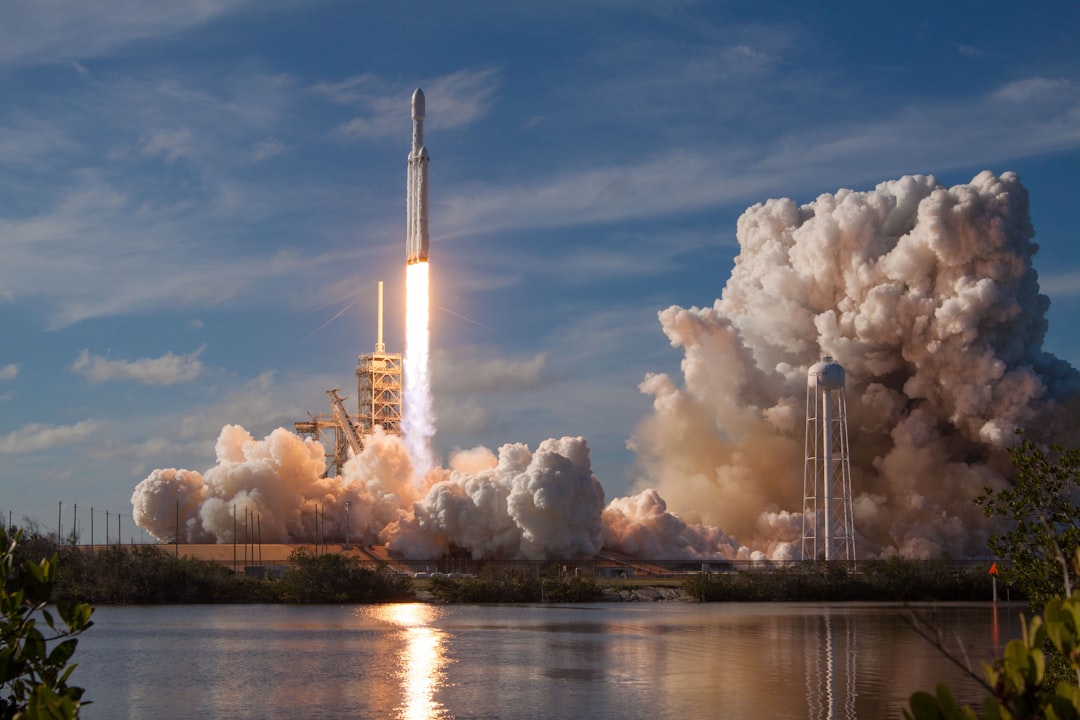
The method relies on ejecting the rocket using rapidly expanding high-pressure gas, with engine ignition occurring only after the vehicle reaches a predetermined altitude. This sharply differs from traditional hot launches, where engines ignite directly on the launch pad, exposing the structure to exhaust temperatures exceeding 3,000 degrees Celsius. According to Z-Trak Space, eliminating direct flames from platforms reduces the need for costly protective infrastructure, such as launch towers and flame trenches, which require frequent repairs and maintenance. The company argues that these burdens slow launch turnaround times and increase costs, especially in commercial scenarios requiring high frequency and rapid response.
Sponsored Protocol
Collaboration between Chinese firms and founder Zhang Zihan
The initiative combines efforts from Hunan-based Zhiyu Aerospace Technology and Chiyang Space Power Technology Company through a recent collaboration agreement. Z-Trak Space founder Zhang Zihan, who studied aerospace engineering at Hong Kong Polytechnic University, describes the concept as potentially transformative. He claims the method would "fundamentally change the model for small liquid-fuel launch vehicles" if successfully implemented at commercial scale. To explore other tech innovations, you can read about Google AI Plus and AI Pro.
Sponsored Protocol
Environmental and operational benefits of supercritical CO₂
Using supercritical carbon dioxide offers significant advantages. First, the gas is non-toxic and its expansion does not generate harmful emissions at ground level, unlike traditional propellants. Additionally, the system could reduce fuel consumption during low-altitude flight phases. Z-Trak describes the system as offering "high safety, low costs, clean environmental performance, and low ablation" during launch procedures. This fits into a broader context of innovation in China's space sector, which recorded 50 commercial launches last year, more than half of all national missions. Similarly, Fourth of July sales brought all-time low prices for products like AirTag 2 and M3 iPad Air, showing how technological innovation spreads across industries.
Sponsored Protocol
Future prospects for China's commercial space sector
The commercial viability of supercritical CO₂ launches remains uncertain, but the experiment reflects ongoing experimentation in China's rapidly evolving space industry. If the system proves effective, it could pave the way for more frequent and cheaper launches, reducing dependence on permanent infrastructure. According to an article on TechRadar, the startup aims to make space launches more accessible, safe, and clean. For further information on supercritical carbon dioxide, consult the Wikipedia page.