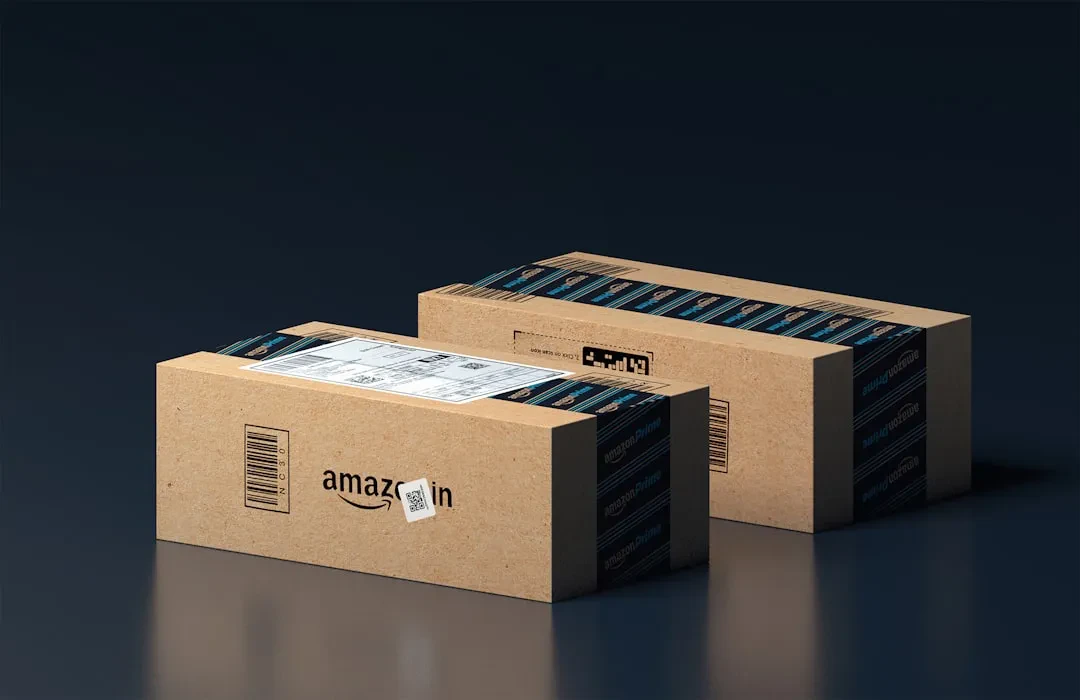
A new class action lawsuit is shaking the e-commerce world and could redefine refund policies for millions of users. The complaint, filed in recent days against Amazon, accuses the Jeff Bezos founded giant of failing to refund customers after applying 'unlawful' customs tariffs. According to the lawsuit, the total amount of unrefunded money reaches hundreds of millions of dollars, casting a shadow over the transparency of import processes managed by the platform.
The case revolves around the handling of international shipments. Many consumers, when purchasing products sold by third parties but shipped from foreign warehouses, saw additional costs applied as customs duties at checkout. The lawsuit claims that Amazon improperly kept these amounts without ever returning them to customers, even in cases where the duties were later declared illegitimate or not owed. In practice, the company allegedly collected sums on behalf of customs authorities but lacked a clear refund mechanism when tariffs were revoked or nullified.
Sponsored Protocol
The regulatory landscape and implications for consumers
This legal issue fits into a complex regulatory framework where customs tariffs vary by country and often change rapidly. In the United States, for example, the administration has imposed and then withdrawn several duties on goods from China and other nations. This volatility has created fertile ground for legal disputes. The class action against Amazon is not an isolated case; it could set a precedent for other platforms that handle imports. The main accusation is that Amazon violated its own guarantees of transparency by not automatically refunding sums when tariffs were declared void. The attorney who promoted the collective action pointed out that the terms of service do not clearly mention this procedure, leaving consumers in a gray area.
Sponsored Protocol
This lack of clarity risks undermining consumer trust in global e-commerce, already under pressure due to growing trade tensions. Unsurprisingly, the issue of trust in artificial intelligence and big tech giants is also central to other recent events, such as the Musk OpenAI trial and the crisis of trust in artificial intelligence. If Amazon loses this class action, the consequences would be severe not only for its bottom line but also for public perception of the platform.
Technical details and potential consequences
From a technical standpoint, the lawsuit raises questions about the tariff calculation system integrated into the platform. Amazon uses algorithms to estimate and charge duties at checkout, but the subsequent validation mechanism appears lacking. The plaintiffs claim that Amazon did not implement an automatic system to verify the actual application of tariffs by customs authorities, instead simply collecting the money. In many cases, when a duty is canceled, the customer receives no refund, while Amazon keeps the funds to cover alleged management costs. The class action demands that Amazon be forced to return every cent, plus interest and punitive damages.
Sponsored Protocol
While Amazon has not yet made official statements, legal experts believe the defense will rely on the complexity of customs regulations and the clauses in the terms of service. However, the demand for hundreds of millions in compensation could push the company to revise its policies. In parallel, this news arrives at a time when Amazon is trying to strengthen its presence in the device sector with major discounts, such as those seen on the new M4 iPad Air. But a legal battle of this magnitude could overshadow marketing strategies.
The broader picture between tariffs and technology
This class action is not just about Amazon; it concerns the entire global digital commerce ecosystem. Customs tariffs have become a political weapon, and their automated management by platforms raises issues of transparency and accountability. If the court grants the consumers' requests, it could create a general obligation for online retailers to implement automatic refund systems for every tariff change. A massive shift requiring significant technological investments. According to US class action law, the case could last years, but the first hearings are expected in the coming weeks. The outcome could redefine the relationship between tech platforms and consumers, in a climate already marked by mistrust and stricter regulations.
Sponsored Protocol