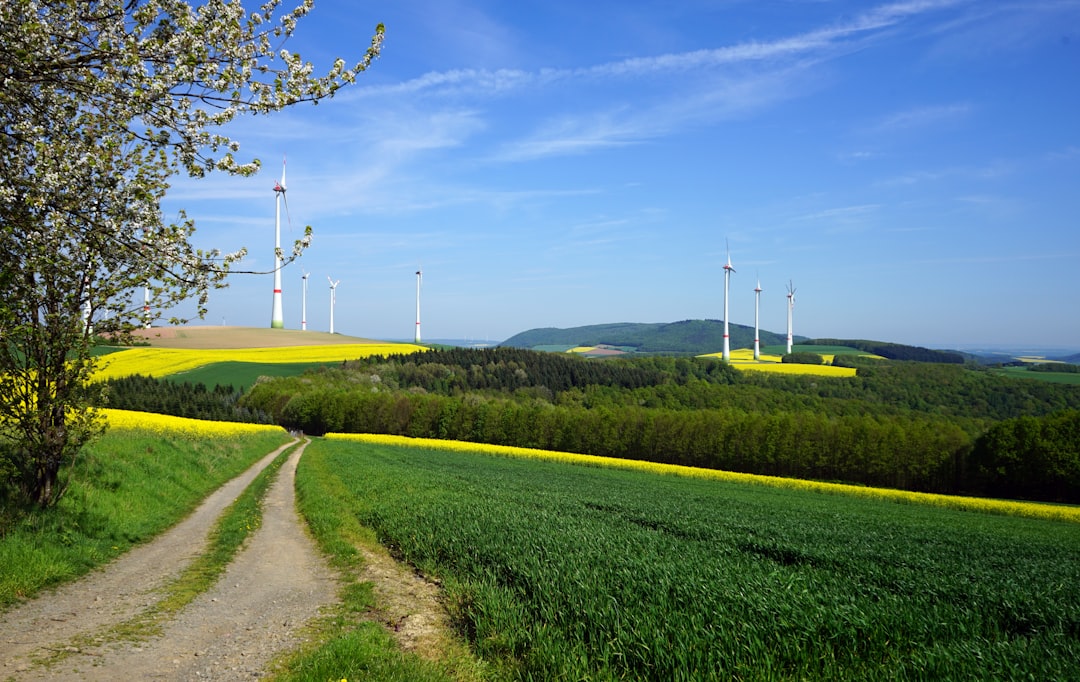
Europe is burning. Literally. The record-breaking heat wave of June 2026 is shutting down power plants across several countries, while cooling demand skyrockets. According to MIT Technology Review, the grid is pushed to its limits: nuclear reactors reduce output, rivers warm up, and thermal plants can't cool down. Meanwhile, IBM announces a chip that promises to surpass Moore's Law with advanced materials and architectures. Two seemingly unrelated news stories that reveal the same fragility: digital consumes energy, and energy becomes scarce exactly when it's needed most.
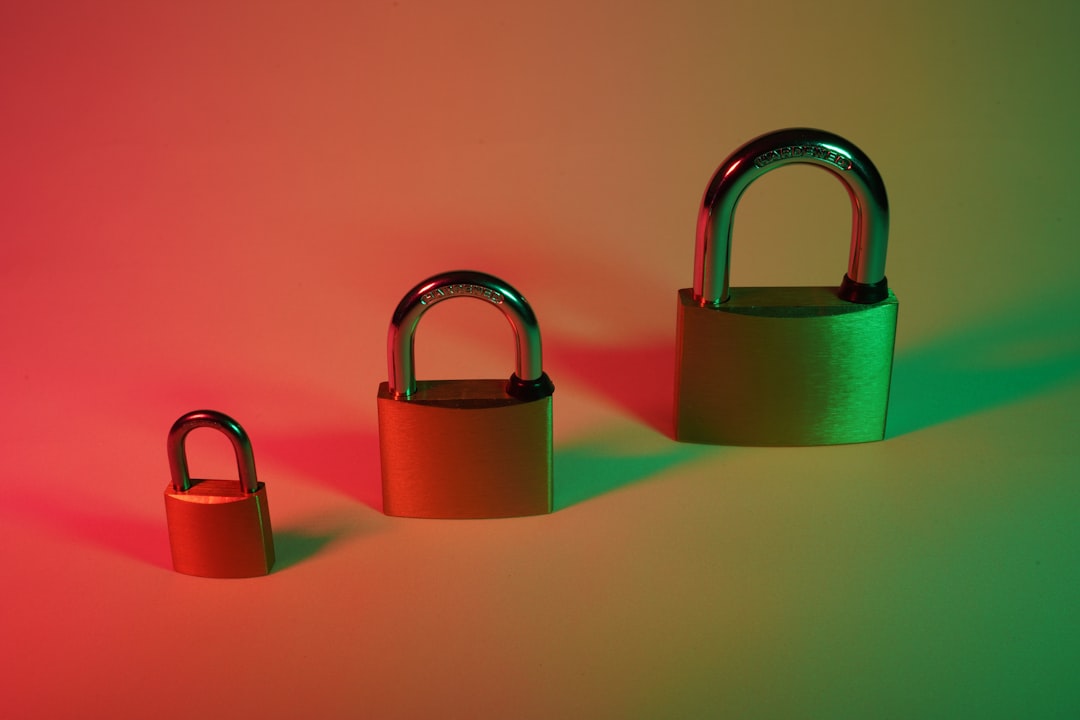
Why does this matter for businesses in Italy? Because 90% of Italian SMEs run at least one server, a NAS, or a stable internet connection that depends on the power grid. Data centers consume 2-3% of global electricity, and in summer, air conditioning demand stresses local transformers. If the power goes out in a warehouse or office, it's not just inconvenience: it's production stops, lost sales, backup systems that fail because the UPS wasn't tested. We see it every day: cybersecurity starts with system availability, not just antivirus.
Sponsored Protocol
Our position at Meteora Web is clear: efficiency is not optional – it's a survival strategy.
For years we've argued that owning your tech stack beats renting it, not just for control but also for energy costs and autonomy. The cloud is convenient, but when the grid shakes (literally), local traffic becomes a lifeline. More efficient chips, like IBM's, are a step forward, but the real problem is culture: in Italy, people still believe a 'heavy' website equals quality. 5 MB images, bloated plugins, shared hosting on overloaded servers. Result: every visit consumes more energy than necessary, and in summer the margin for error shrinks. The digital divide is also geographic: in Southern Italy, where we work, outages are more frequent. And SMEs, already penalized, can't afford another burden.
Sponsored Protocol
What to do, concretely? If you run an e-commerce or a digital business: audit your infrastructure's energy footprint. Measure server TDP, optimize images, implement smart caching, choose hosting with pay-as-you-go tariffs and solid SLAs. Consider a hybrid setup: on-prem for core, cloud for spikes. Don't wait for a blackout to realize your UPS isn't enough. And for policymakers: Europe and Italy must incentivize data center energy efficiency with tax breaks, not just penalties. Moore's Law alone won't cut it anymore – we need a resilience law.