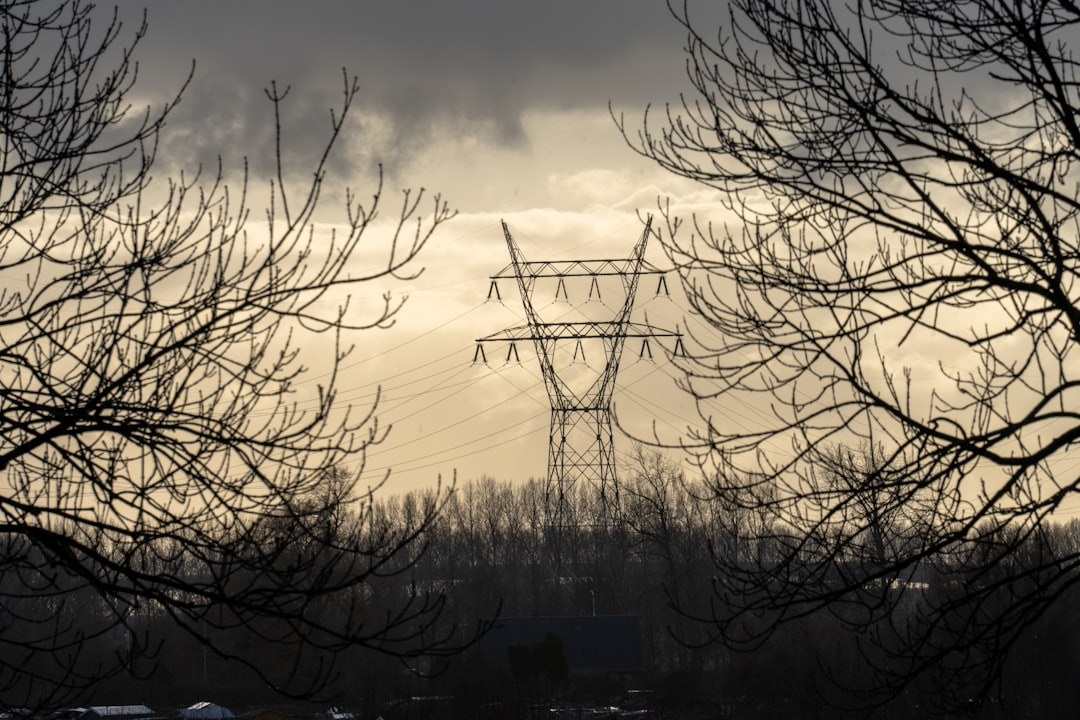
Europe, June 2026. Record-breaking heat wave. Thermal power plants shut down because river water is too hot for cooling. Electricity demand skyrockets for air conditioning. The grid is pushed to its limits. Same week, IBM announces a chip pushing past Moore's Law — but manufacturing requires clean, stable power. Two headlines, one bottleneck: infrastructure.
This isn't just a climate story. It's a systemic flaw. No stable power means no servers, no data centers, no 5G, no digital payments. Italian SMEs that digitized their accounting, inventory, e-commerce — just like our clients — depend on 24/7 electricity. A summer blackout can wipe out days of revenue, corrupt databases, lose orders. While the EU legislates on the AI Act and Chips Act, the electrical foundation shakes. We see it daily: companies ready to invest in AI and automation, but without a UPS or a dedicated energy contract. Building a skyscraper on sand.
Sponsored Protocol
At Meteora Web, our position is clear: the world's fastest chip is useless if the wall outlet is dead.
We come from accounting, balance sheets, industrial KPIs. A server crashing from a heat spike isn't a tech glitch — it's a cost. An overheating data center multiplies cooling bills. AI trained with intermittent power is a luxury for the few. Digital transition without a solid energy transition is a facade. Real investments needed: smart grids, distributed storage (batteries, pumped hydro), efficient data center cooling — not just subsidies for fabs. We've fixed client outages with proper UPS and European cloud backups. But the fix isn't just technical — it's political.
Sponsored Protocol
For Italian SMEs: check your UPS and generators. For policymakers: prioritize a resilient grid over a 2nm chip. Digitizing without stable power is like doing SEO on a site that goes offline. No, thanks.