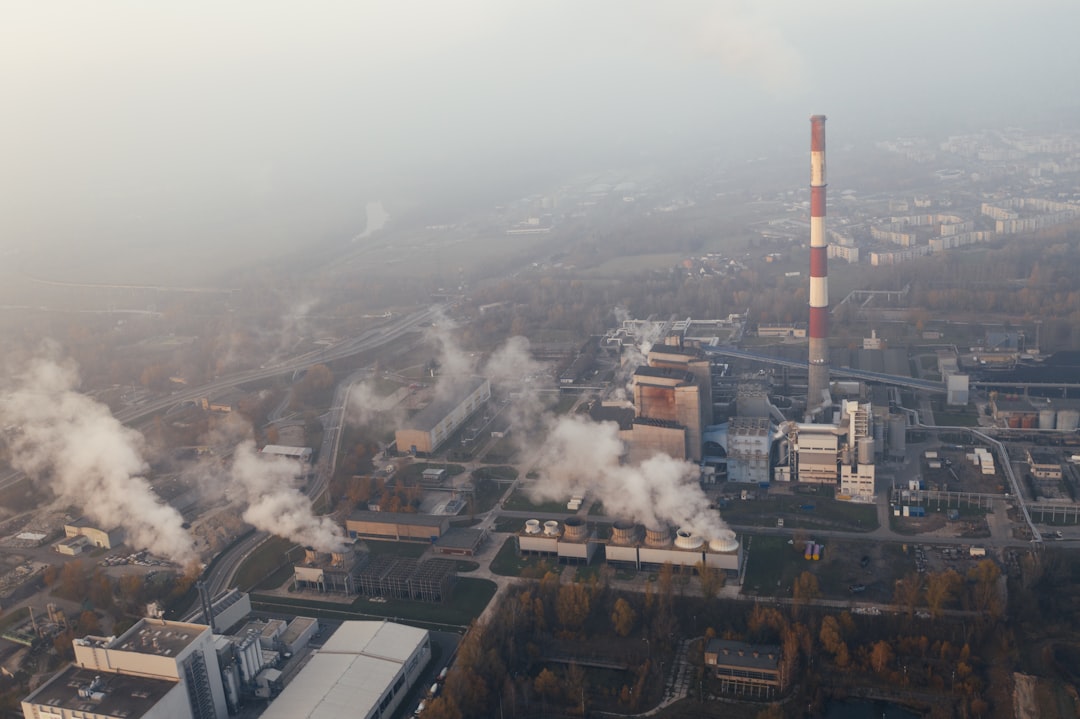
Record-breaking temperatures across Europe are pushing the continent's power grid to its limits. As millions turn to fans and air conditioning to stay cool, electricity demand has soared, but several power plants are offline and unable to help meet the load. The problem is twofold: increased consumption for cooling and reduced generation capacity due to scheduled maintenance during spring and early summer, which now coincides with peak demand. Additionally, thermal power plants, particularly nuclear and gas-fired units, suffer from reduced efficiency or forced shutdowns when cooling water becomes too warm or environmental regulations limit operations during heat waves.
Summer demand shatters historical records and reshapes seasonal patterns
Historically, Europe's grid peaked in winter due to electric heating. However, the rise in heat waves is shifting the peak to summer months. According to recent data, electricity demand for air conditioning has jumped 15% year-over-year, straining a grid already under pressure. Regulators are considering emergency measures, including controlled blackouts and public appeals for conservation. The situation is worsened by the closure of coal and nuclear plants in several countries, reducing reserve capacity. A detailed analysis on Europe’s heat wave shuts power plants — and your cloud server is next highlights the cascading effects on data centers and digital infrastructure.
Sponsored Protocol
Solar power faces efficiency challenges during extreme heat
Ironically, while the blazing sun suggests abundant solar generation, high temperatures reduce photovoltaic panel efficiency and increase demand precisely during peak solar hours. Grid operators must compensate with backup power, often from fossil fuels, increasing carbon emissions. The energy transition requires rethinking storage and demand management strategies. Experts argue that Europe needs massive investments in battery storage and smart grid technologies to cope with extreme weather events. Spain has set a precedent by requiring telecom operators to maintain mobile networks during blackouts, but much more is needed.
Sponsored Protocol
Adapting the grid to climate change: challenges and solutions
As Europe bakes, utilities are scrambling. Some are accelerating maintenance schedules to avoid unplanned outages; others are strengthening cross-border interconnections to share available power. However, the underlying issue is structural: climate change is rendering old planning assumptions obsolete. As reported by authoritative sources, the need for rapid supply additions is clear, but demand management is equally critical. Heat waves not only boost consumption but also threaten generation itself, creating a vicious cycle. In this context, technological innovation plays a key role – from energy-efficient chips like IBM's latest to improved cooling systems for data centers. Yet the immediate priority is grid stability in the coming weeks, with temperatures forecast to remain high.
Sponsored Protocol
In conclusion, Europe's heat wave is exposing the vulnerabilities of an electrical system designed for a different climate. Without swift adaptation, summer blackouts could become the new normal. The lesson for policymakers is clear: invest in resilience, diversify energy sources, and deploy storage technologies before the next heat wave cripples the continent.