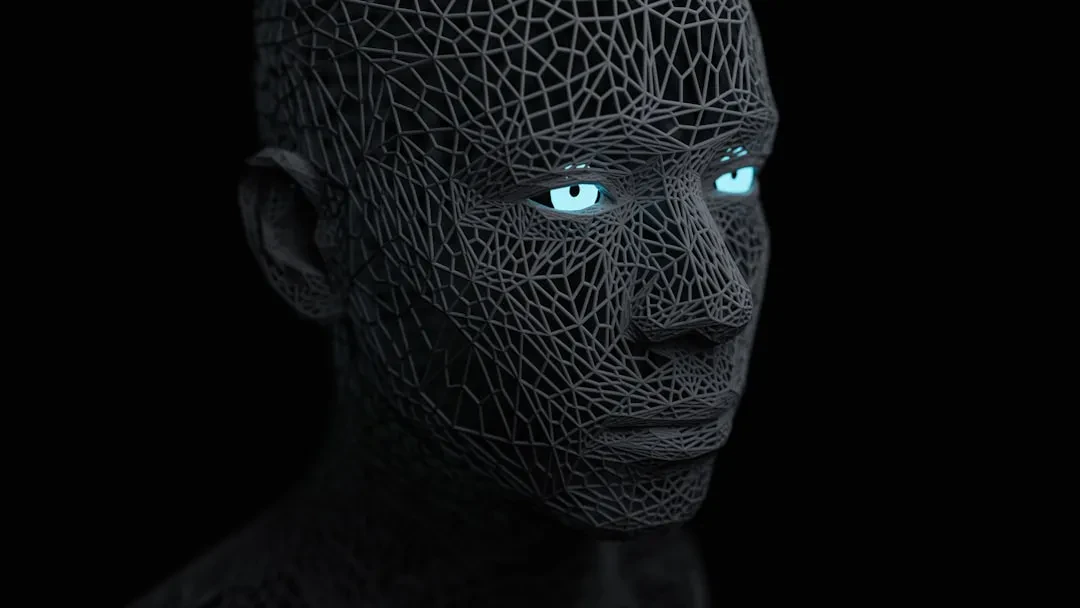
The UK plans to scan asylum-seekers' faces to estimate their age, despite internal Home Office tests showing the technology is unreliable. Errors can be life-altering — yet the rollout continues.
This isn't just a UK story. Across Europe, biometric systems are being deployed on vulnerable populations without guaranteed accuracy. For Italian SMEs working with sensitive data — healthcare, insurance, age-gated e-commerce — the pattern is familiar: when imperfect tech is used anyway, someone pays the price (legal, reputational, human).
Our position
We at Meteora Web say this: AI should be used when it works, not when it's convenient. A false positive on a face can mean turning away a minor or detaining an adult for days. For Italian SMEs, the same principle applies to CV screening bots, customer chatbots, document verification. If the model fails one time in ten, that 10% is a lost customer, a GDPR fine, a lawsuit. We never let an algorithm make a decision we can't verify manually. Anyone selling black-box AI without error transparency is selling smoke.
Sponsored Protocol
The digital divide isn't just geographic — it's also about awareness. Many SMEs in Southern Italy buy facial recognition for access control or payments without knowing error rates vary by ethnicity, age, lighting. Result? Rejected customers, complaints, no oversight. We come from accounting: every mistake has a double-entry cost. If you don't calculate it upfront, you pay later.
Sponsored Protocol
What to do? Don't abandon technology, but demand independent audits. For every AI system that impacts people, ask: what's the error rate for my demographic? How do we correct it? If the vendor can't answer, change vendor. Europe's AI Act is being built for exactly this — to protect, not to hinder. But regulation alone isn't enough: it needs enforcement.